
AI in Defense: Common Misconceptions and Realities


Understanding AI in Defense
Artificial Intelligence (AI) is transforming industries across the globe, and the defense sector is no exception. However, the use of AI in defense is often shrouded in misconceptions. This post aims to clarify these misunderstandings and present the realities of AI in defense.

Misconception 1: AI Will Replace Human Soldiers
A common misconception is that AI will completely replace human soldiers on the battlefield. In reality, AI is more likely to augment human capabilities rather than replace them. AI systems can handle tasks that are dull, dirty, or dangerous, allowing human soldiers to focus on strategic decision-making and complex problem-solving.
For instance, drones and autonomous vehicles can conduct reconnaissance missions without risking human lives. By leveraging AI, defense forces can enhance their operational efficiency and effectiveness.
Misconception 2: AI in Defense Is Uncontrollable
Another misconception is that AI systems operate beyond human control, leading to potentially dangerous outcomes. However, AI in defense is typically designed with strict oversight and control mechanisms. These systems are subject to rigorous testing, validation, and verification to ensure their reliability and safety.
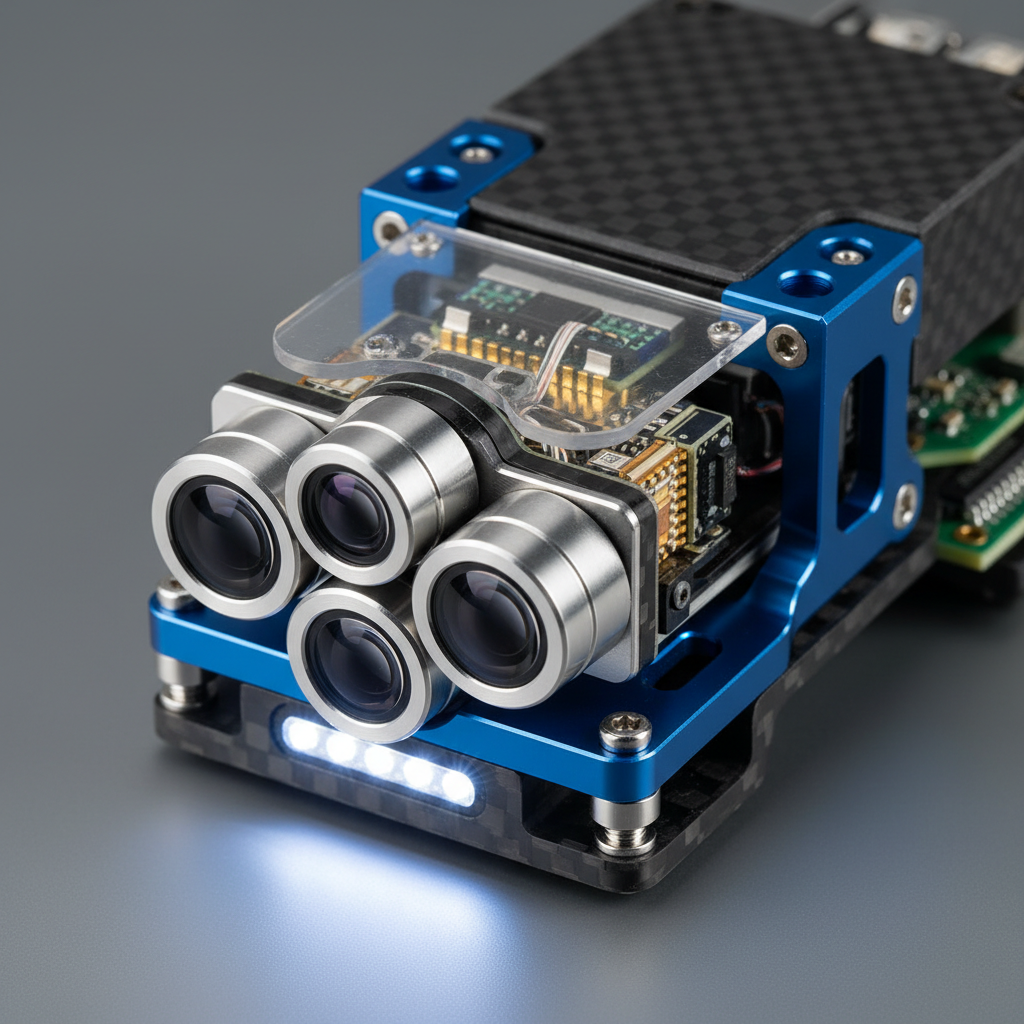
While AI can make autonomous decisions, these decisions are bounded by predefined parameters and rules set by human operators. As a result, the fear of uncontrollable AI is largely unfounded.
Reality: AI Enhances Decision-Making
One of the most significant benefits of AI in defense is its ability to enhance decision-making processes. AI can analyze vast amounts of data quickly and accurately, providing insights that might be missed by human analysts. This capability is crucial in fast-paced environments where timely and accurate information is essential.
- AI can process real-time data from multiple sources.
- It can identify patterns and predict potential threats.
- AI aids in resource allocation and mission planning.

Reality: AI Requires Human Expertise
Despite its advanced capabilities, AI in defense still requires significant human expertise. Skilled professionals are needed to develop, implement, and maintain AI systems. Additionally, human judgment is crucial in interpreting AI-generated insights and making final decisions.
Therefore, the integration of AI in defense does not diminish the importance of human expertise; instead, it highlights its necessity in ensuring the effective and ethical use of technology.
Conclusion: Balancing Innovation and Responsibility
AI is undeniably a powerful tool in the defense sector, offering numerous advantages in terms of efficiency, safety, and strategic planning. However, its deployment must be balanced with responsible practices and ethical considerations.
By understanding the realities of AI in defense, stakeholders can better harness its potential while addressing public concerns and misconceptions. As technology continues to evolve, maintaining a dialogue about AI's role in defense will be crucial for its successful integration.