
AI-Powered Scenario Modeling: Preparing for the Unexpected in Defense


Understanding AI-Powered Scenario Modeling
In the rapidly evolving field of defense, anticipating and preparing for unexpected challenges is crucial. This is where AI-powered scenario modeling comes into play. By leveraging artificial intelligence, defense agencies can simulate a wide array of scenarios, analyze potential outcomes, and develop robust strategies to mitigate risks. AI-powered scenario modeling offers a proactive approach to defense planning, enhancing readiness and strategic decision-making.
Scenario modeling involves creating detailed simulations of potential events or situations. These simulations are designed to test the effectiveness of existing strategies and identify possible improvements. With the integration of AI, these models become more dynamic and accurate, capable of processing vast amounts of data and generating insights that were previously unattainable.
The Role of Machine Learning in Scenario Modeling
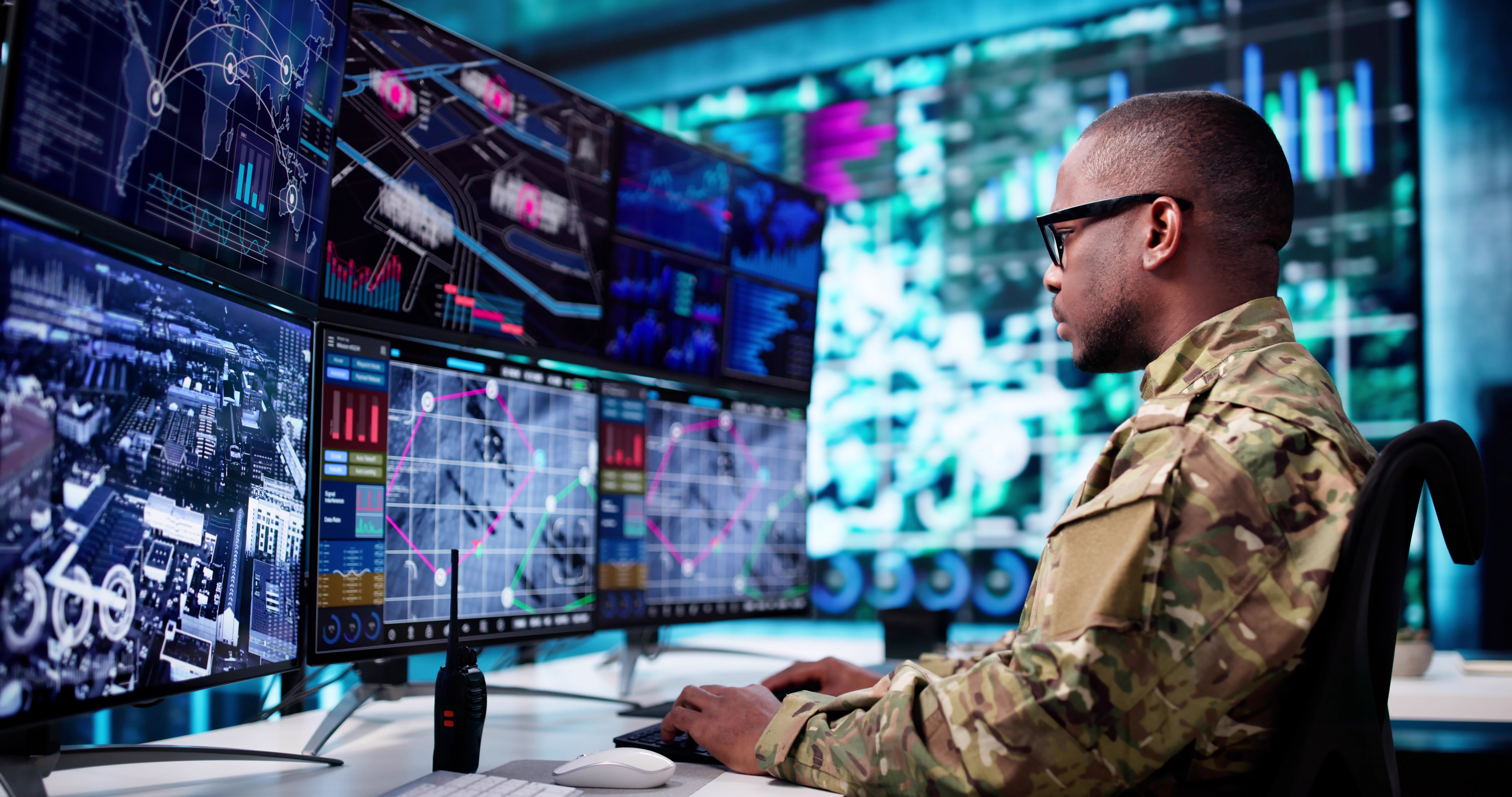
Machine learning, a subset of AI, plays a pivotal role in scenario modeling by enabling the system to learn from data and improve over time. Through machine learning algorithms, scenario models can analyze historical data, recognize patterns, and predict future events with greater accuracy. This ability to learn from past experiences ensures that defense strategies remain relevant and effective in ever-changing environments.
One significant advantage of machine learning is its capability to process and analyze large datasets. In defense, this means that AI-powered scenario models can incorporate diverse data sources, ranging from satellite imagery to social media trends, to create comprehensive simulations. As a result, defense agencies can anticipate a wide range of scenarios, from geopolitical shifts to unforeseen technological advancements.

Enhancing Decision-Making with Predictive Analytics
Predictive analytics is another critical component of AI-powered scenario modeling. It involves using data analysis techniques to make predictions about future events. In the context of defense, predictive analytics can help identify potential threats and opportunities, allowing for more informed decision-making.
By integrating predictive analytics into scenario modeling, defense agencies can develop strategies that are not only reactive but also proactive. This proactive approach enables them to allocate resources more effectively, strengthen security measures, and adapt to emerging threats swiftly. Ultimately, it leads to a more resilient defense posture.
Benefits of AI-Powered Scenario Modeling in Defense
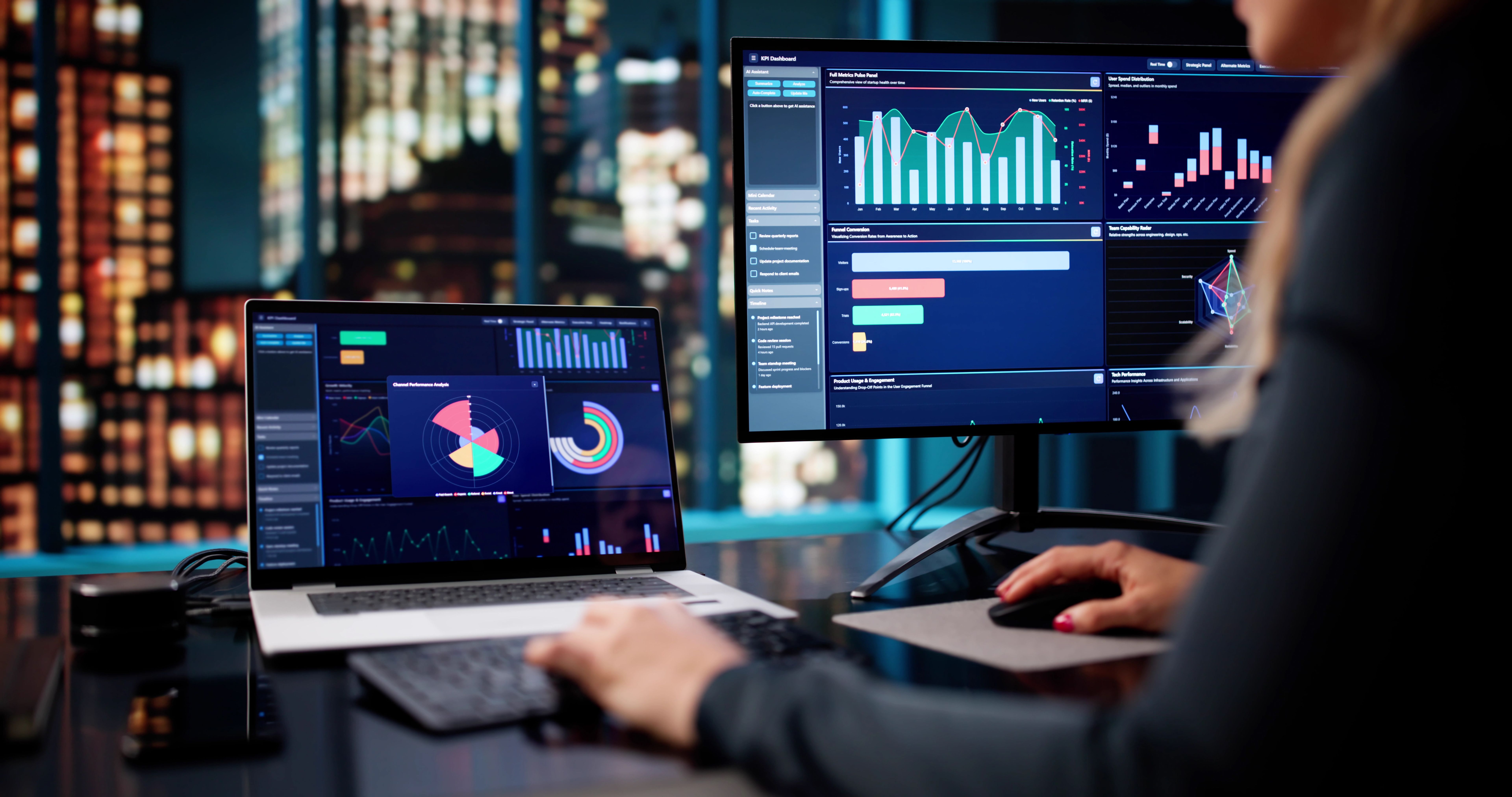
The benefits of AI-powered scenario modeling in defense are manifold. Firstly, it enhances operational efficiency by streamlining the planning process and reducing the time required to develop strategies. Secondly, it improves situational awareness by providing a comprehensive view of potential threats and opportunities. Lastly, it fosters innovation by encouraging defense agencies to explore new technologies and approaches.
Moreover, AI-powered scenario modeling promotes collaboration among different branches of the military and government agencies. By sharing insights and data, these entities can develop coordinated strategies that enhance national security.
Challenges and Considerations
Despite its numerous advantages, implementing AI-powered scenario modeling in defense is not without challenges. One primary concern is data security. Given the sensitive nature of defense information, ensuring the security and privacy of data used in scenario modeling is paramount.
Furthermore, there is the challenge of integrating AI technologies into existing defense systems. This requires significant investment in infrastructure and training to ensure that personnel can effectively utilize these advanced tools.

The Future of Scenario Modeling in Defense
The future of AI-powered scenario modeling in defense looks promising. As AI technologies continue to evolve, we can expect even more sophisticated models capable of simulating complex scenarios with unprecedented accuracy. This will enable defense agencies to stay ahead of emerging threats and maintain a strategic advantage on the global stage.
In conclusion, AI-powered scenario modeling represents a transformative approach to defense planning. By harnessing the power of AI, defense agencies can prepare for the unexpected and safeguard national security in an increasingly uncertain world.