
Case Study: How Digital Twins are Revolutionizing Military Infrastructure


Introduction to Digital Twins in Military Infrastructure
The concept of digital twins is transforming industries worldwide, and the military sector is no exception. These virtual replicas are playing a pivotal role in optimizing military infrastructure, enhancing operational efficiency, and improving strategic planning. By creating a digital counterpart of physical assets, military organizations can simulate, analyze, and optimize the performance of their infrastructure.
Digital twins provide a comprehensive view of military assets, enabling real-time monitoring and predictive maintenance. This technology is proving invaluable in ensuring the reliability and readiness of critical infrastructure.
The Role of Digital Twins in Enhancing Operational Efficiency
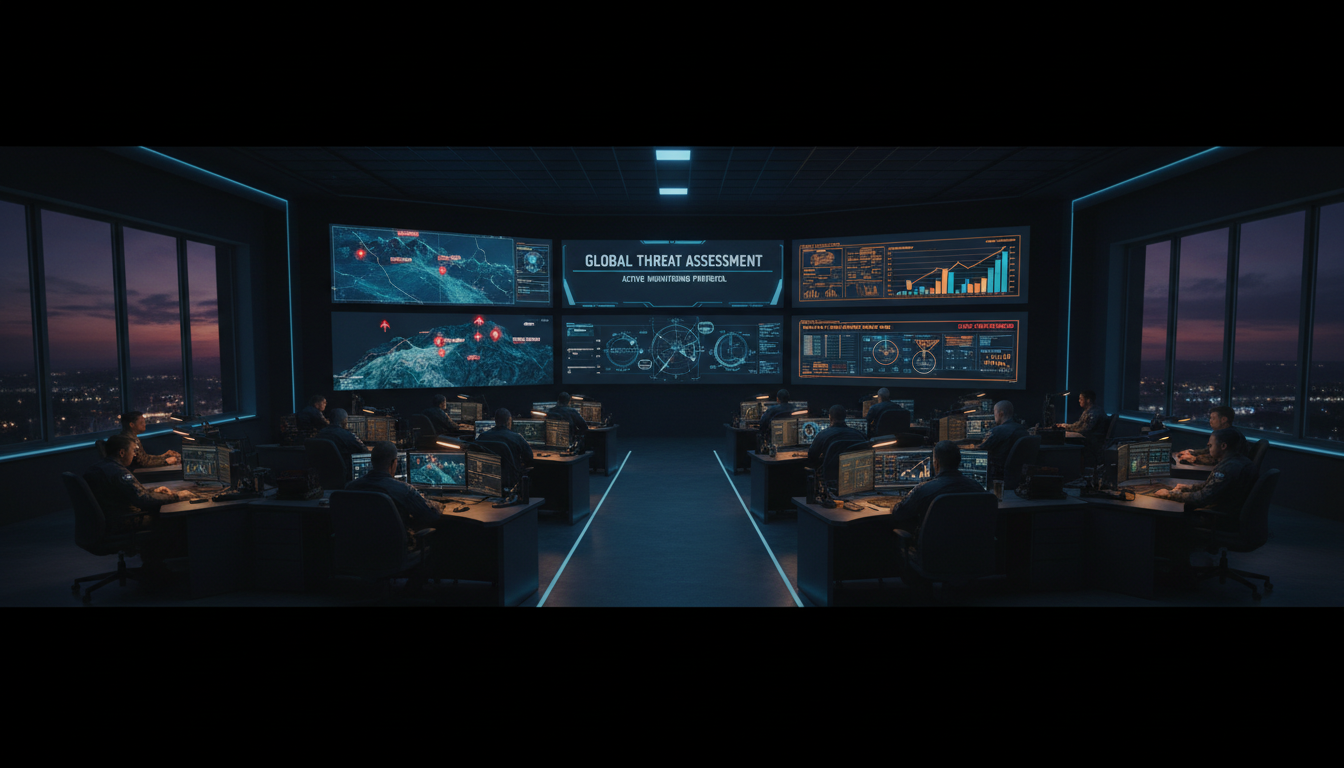
One of the primary benefits of digital twins in military infrastructure is the enhancement of operational efficiency. By leveraging these digital models, military engineers can simulate various scenarios to identify potential issues before they occur. This proactive approach minimizes downtime and ensures that military operations run smoothly.
Through real-time data analysis, digital twins offer insights into energy consumption, equipment performance, and environmental conditions. This information is crucial for decision-makers to optimize resource allocation and improve operational strategies.
Predictive Maintenance and Cost Reduction
Predictive maintenance is a key advantage of adopting digital twin technology. By continuously monitoring the condition of equipment and infrastructure, potential failures can be detected early, reducing the risk of unexpected breakdowns. This approach not only extends the lifespan of assets but also significantly reduces maintenance costs.
Strategic Planning and Simulation
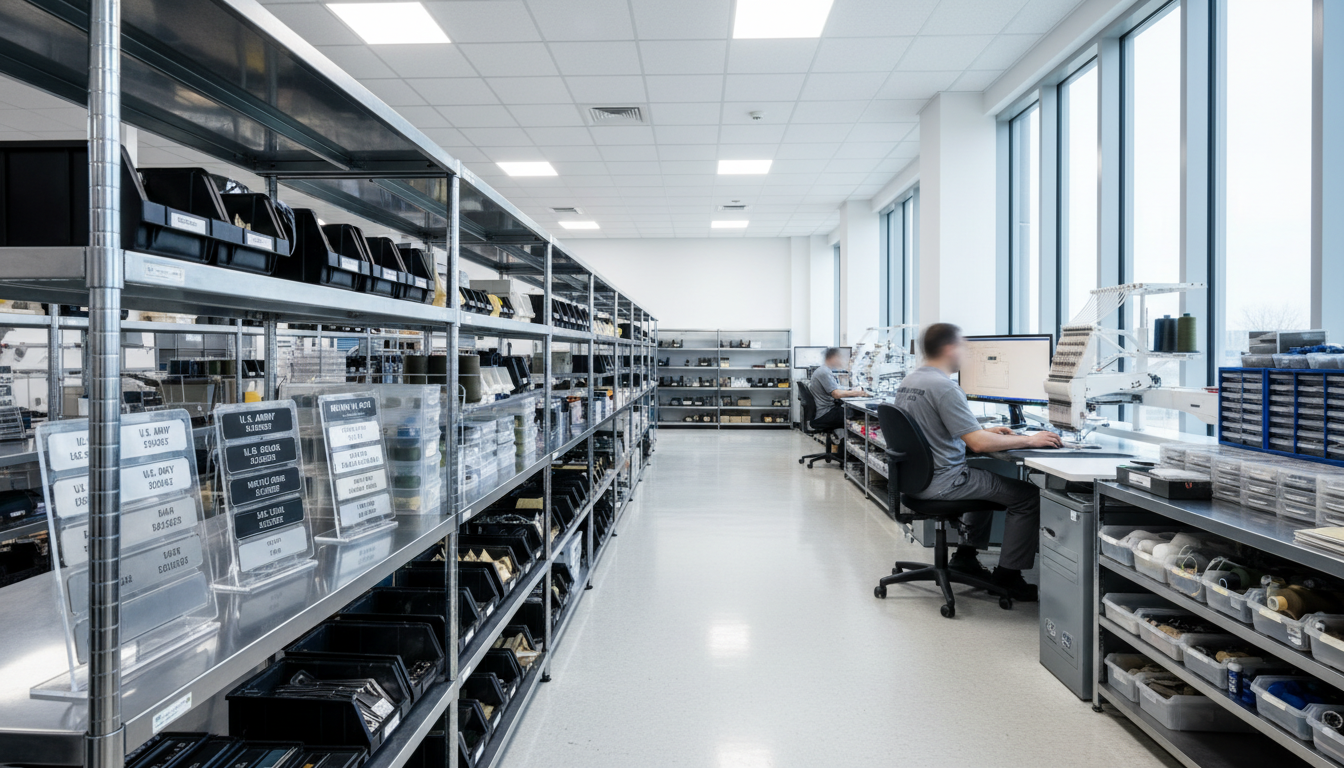
Digital twins are revolutionizing strategic planning within military organizations. By simulating different operational scenarios, military leaders can assess the impact of various strategies and make informed decisions. This capability is particularly valuable in mission planning and resource management.
Furthermore, digital twins enable the military to conduct training exercises in a virtual environment, enhancing the preparedness of personnel without the need for extensive physical resources.
Risk Management and Security
Incorporating digital twins in military infrastructure also enhances risk management and security. By analyzing data from digital twins, potential threats can be identified and mitigated before they escalate. This proactive approach is critical in maintaining the security of military installations and operations.

Challenges and Future Prospects
While the benefits of digital twins are clear, there are challenges to address. Data security is a significant concern, as the reliance on digital systems increases the risk of cyber threats. Ensuring the integrity and confidentiality of sensitive information is paramount.
Looking ahead, the integration of artificial intelligence and machine learning with digital twins holds great promise for further advancements. These technologies can enhance the predictive capabilities of digital twins, making them even more effective tools for military infrastructure management.
In conclusion, digital twins are revolutionizing military infrastructure by providing detailed insights, enhancing operational efficiency, and improving strategic planning. As technology continues to evolve, the potential for digital twins in the military sector will only expand, offering new opportunities for innovation and efficiency.