
Case Study: Real-Time Operational Simulations Enhancing Defense Readiness


Introduction to Real-Time Operational Simulations
In the ever-evolving landscape of global defense, maintaining readiness is crucial. One innovative approach gaining traction is the use of real-time operational simulations. These simulations are designed to enhance the strategic and tactical preparedness of military forces, ensuring they can respond effectively to any situation.
Real-time simulations offer a dynamic environment where defense personnel can engage in realistic scenarios without the risks associated with live training exercises. This method not only saves resources but also allows for continuous improvement in strategies and decision-making processes.
The Role of Technology in Defense Simulations
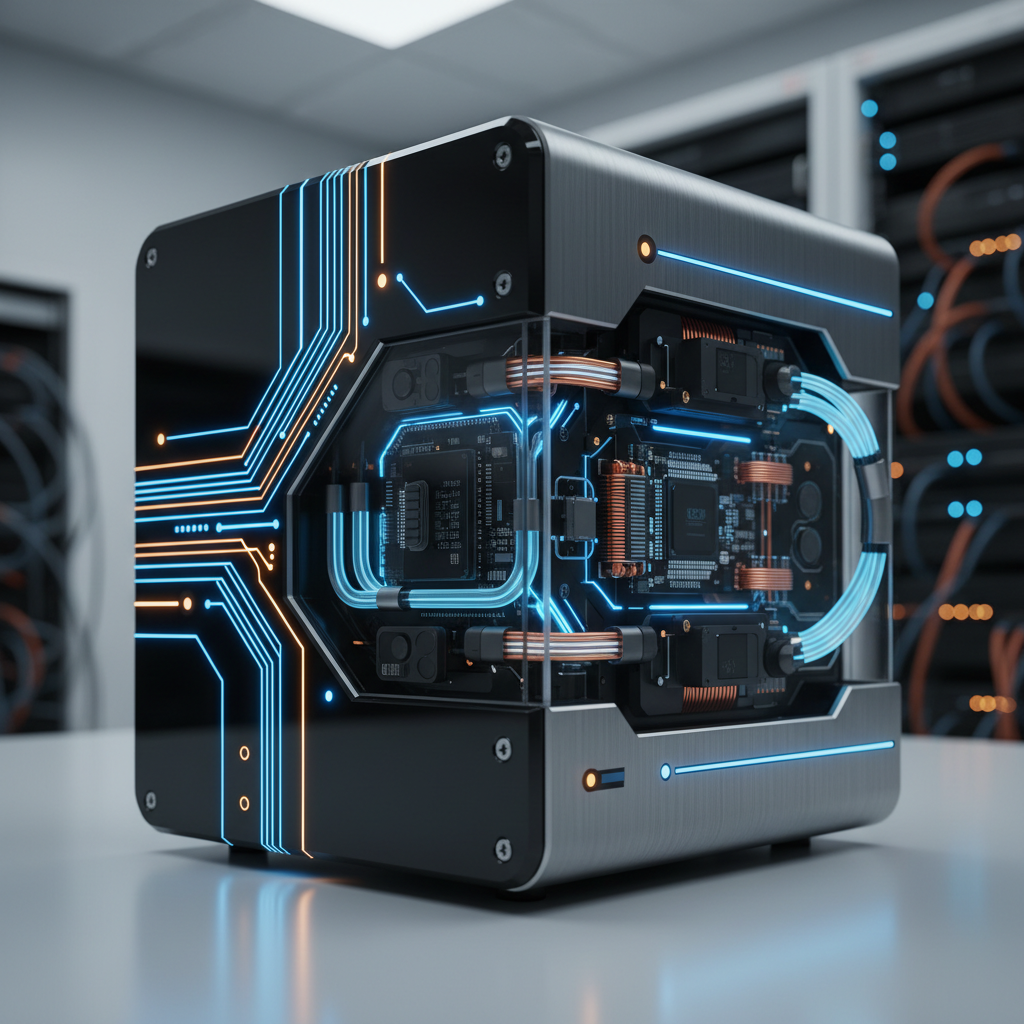
Advanced technology plays a pivotal role in the development and implementation of these simulations. Cutting-edge software and hardware solutions are used to create immersive environments that mimic real-world conditions. This includes everything from terrain and weather conditions to enemy tactics and civilian interactions.
By leveraging artificial intelligence and machine learning, simulations can adapt in real-time, providing feedback and evolving based on the actions taken by participants. This adaptability ensures that personnel are constantly challenged and engaged, leading to more effective training outcomes.
Benefits of Real-Time Simulations
The benefits of integrating real-time operational simulations into defense training programs are manifold. Here are some key advantages:
- Risk Reduction: Training in a simulated environment eliminates the physical risks associated with live exercises.
- Cost-Effectiveness: Simulations reduce the need for expensive equipment and logistics involved in traditional training.
- Scalability: Scenarios can be easily scaled to include multiple units and international allies.

Case Study: Enhancing Readiness
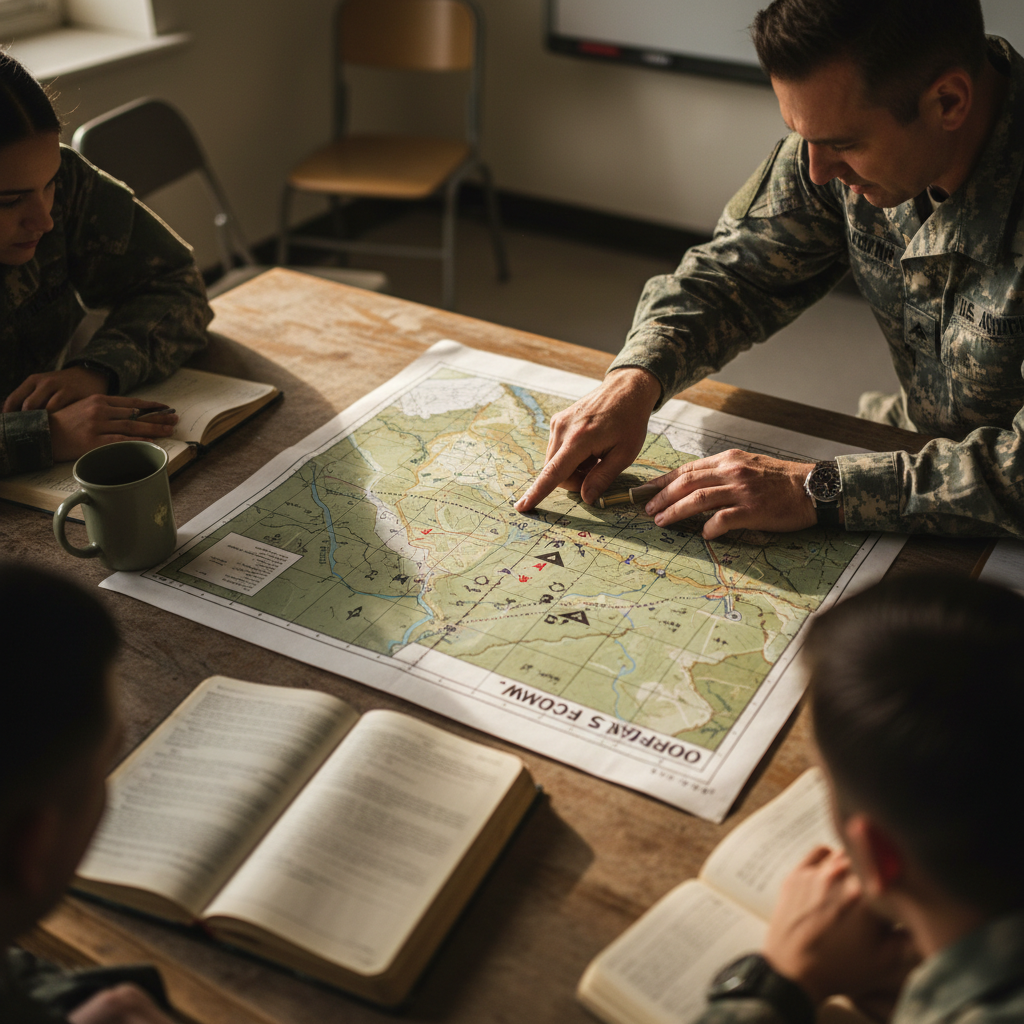
One compelling case study involves a military unit that integrated real-time operational simulations into their training regimen. The unit reported significant improvements in coordination and strategic planning. By simulating various conflict scenarios, they were able to practice and refine their responses in a safe, controlled environment.
Feedback collected from participants highlighted the realism and intensity of the simulations, which closely mirrored actual combat situations. This level of realism is crucial for preparing personnel for the unpredictability of real-world operations.
Future Prospects
The future of defense readiness is undeniably linked to advancements in simulation technology. As these technologies continue to evolve, we can expect even more sophisticated training environments, offering unparalleled levels of realism and interactivity.
Collaboration with tech companies and ongoing research will be essential in pushing the boundaries of what is possible in military training simulations. This innovation will ensure that defense forces remain agile and ready to face any challenge.