
Case Study: Real-Time Operational Simulations in Military Scenarios


Introduction to Real-Time Operational Simulations
In the fast-evolving landscape of military strategy and operations, real-time operational simulations have become a critical tool. These simulations provide a safe and controlled environment for military personnel to test strategies, assess potential outcomes, and improve decision-making skills without the risks associated with live exercises.
Real-time simulations replicate various combat scenarios, enabling forces to practice responses to different threats. This innovative approach helps improve readiness and adaptability, key components in modern military operations.

Benefits of Real-Time Simulations
Real-time operational simulations offer several advantages over traditional training methods. Firstly, they provide a realistic and immersive experience, enhancing the learning process. Participants can engage with dynamic scenarios that evolve based on their decisions, providing immediate feedback and allowing for rapid adjustments.
Another significant benefit is cost-effectiveness. Conducting live exercises can be expensive and resource-intensive. Simulations reduce the need for physical deployments, thus saving both time and resources while still delivering high-quality training experiences.
Technological Advancements
The technological advancements in simulation software have been remarkable. Cutting-edge graphics, artificial intelligence, and machine learning algorithms are now integrated into simulation platforms, creating incredibly lifelike environments. These technologies allow for the modeling of complex scenarios, including urban warfare, cyber threats, and large-scale troop movements.
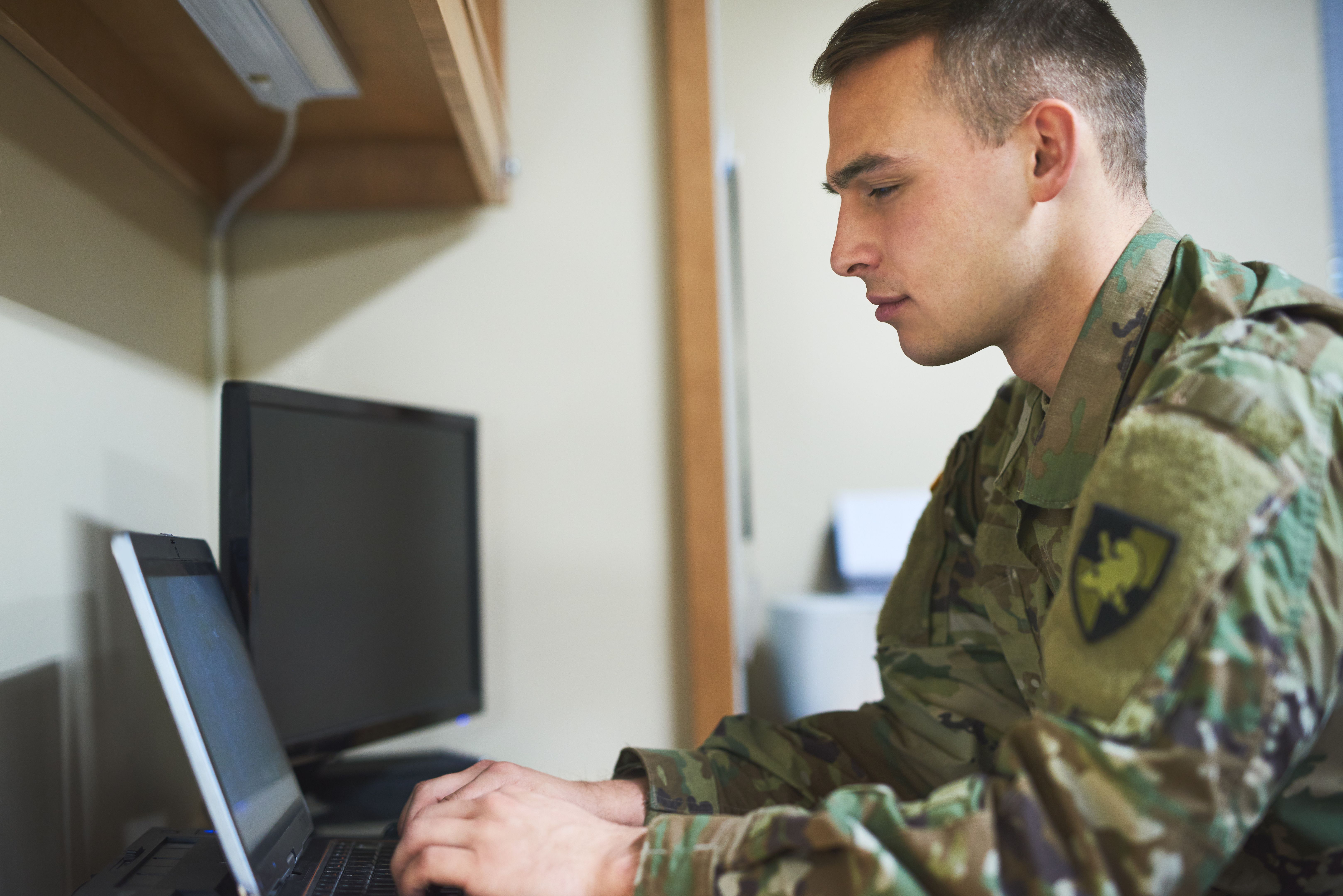
Moreover, simulations can now incorporate data from real-world operations, enhancing their accuracy and relevance. This integration helps tailor training programs to current geopolitical climates and emerging threats, ensuring that military forces are always prepared for the challenges they may face.
Case Study: Successful Implementation
A notable example of successful implementation is the use of real-time simulations by a leading defense force. By integrating these simulations into their training regimen, they have significantly improved their operational readiness. The simulations allowed them to identify weaknesses in strategies and communication, leading to more cohesive and effective unit operations.
Through continuous simulation training, the force reported a marked improvement in their response times and decision-making processes, showcasing the tangible benefits of adopting such technology in military training.
Challenges and Considerations
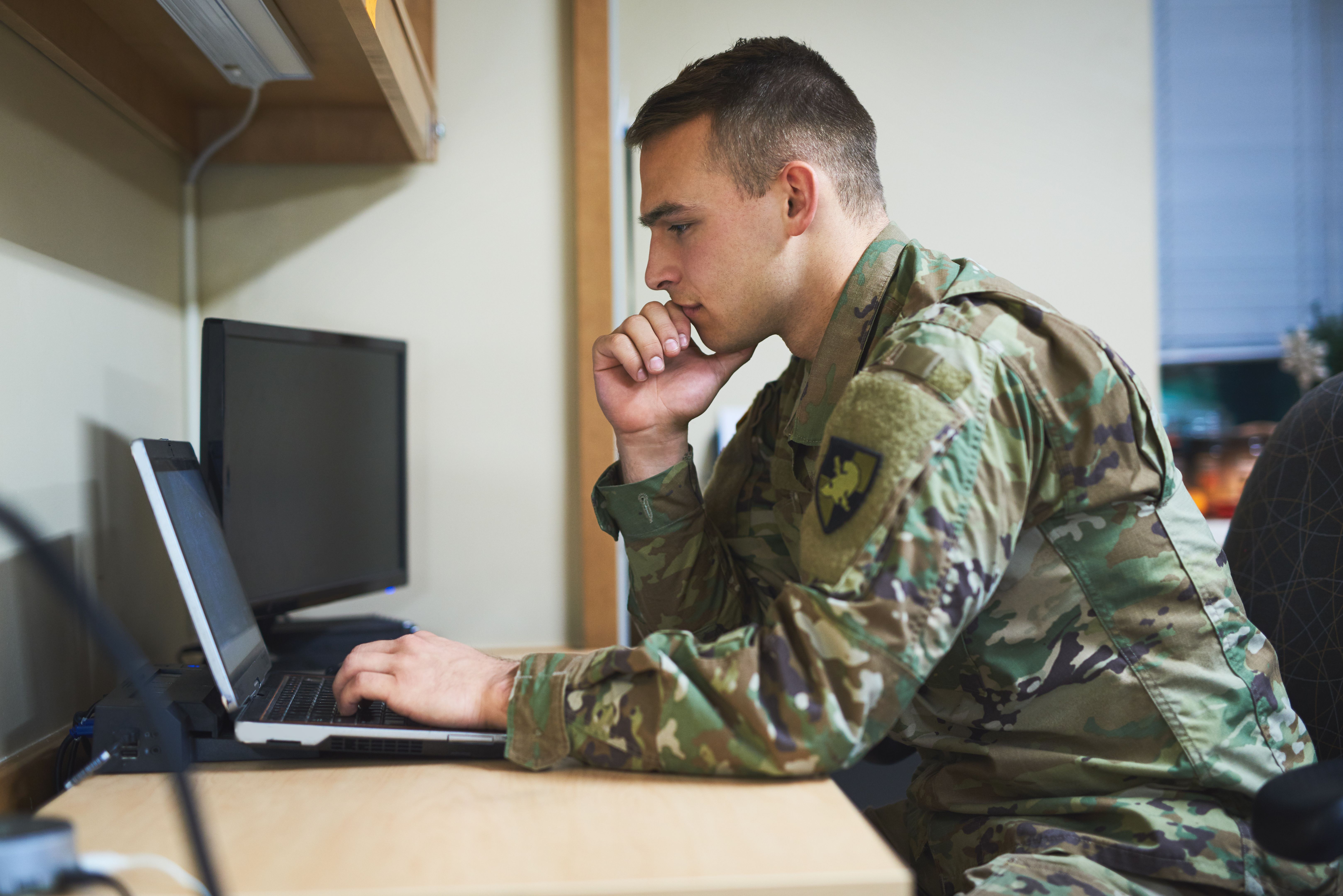
Despite the benefits, there are challenges associated with real-time operational simulations. One of the main concerns is the initial cost of setting up advanced simulation systems. Although they are cost-effective in the long run, the initial investment can be substantial.
Additionally, there is the challenge of ensuring that simulations remain up-to-date with the latest military tactics and emerging global threats. Continuous updates and maintenance are required to keep the simulations relevant and effective.
The Future of Military Simulations
Looking ahead, the future of military simulations is promising. With ongoing advancements in technology, simulations are expected to become even more sophisticated and realistic. The integration of virtual reality and augmented reality could further enhance the immersive experience, providing even more effective training opportunities.
As these technologies continue to evolve, they will undoubtedly become an integral part of military training programs worldwide, helping to prepare forces for an increasingly complex global landscape.