
Debunking Myths: AI in Defense and Critical Infrastructure


Understanding AI in Defense and Critical Infrastructure
Artificial Intelligence (AI) is revolutionizing various sectors, including defense and critical infrastructure. However, numerous myths and misconceptions surround its application in these areas. This post aims to debunk some of these myths, providing a clearer understanding of AI's role and potential.
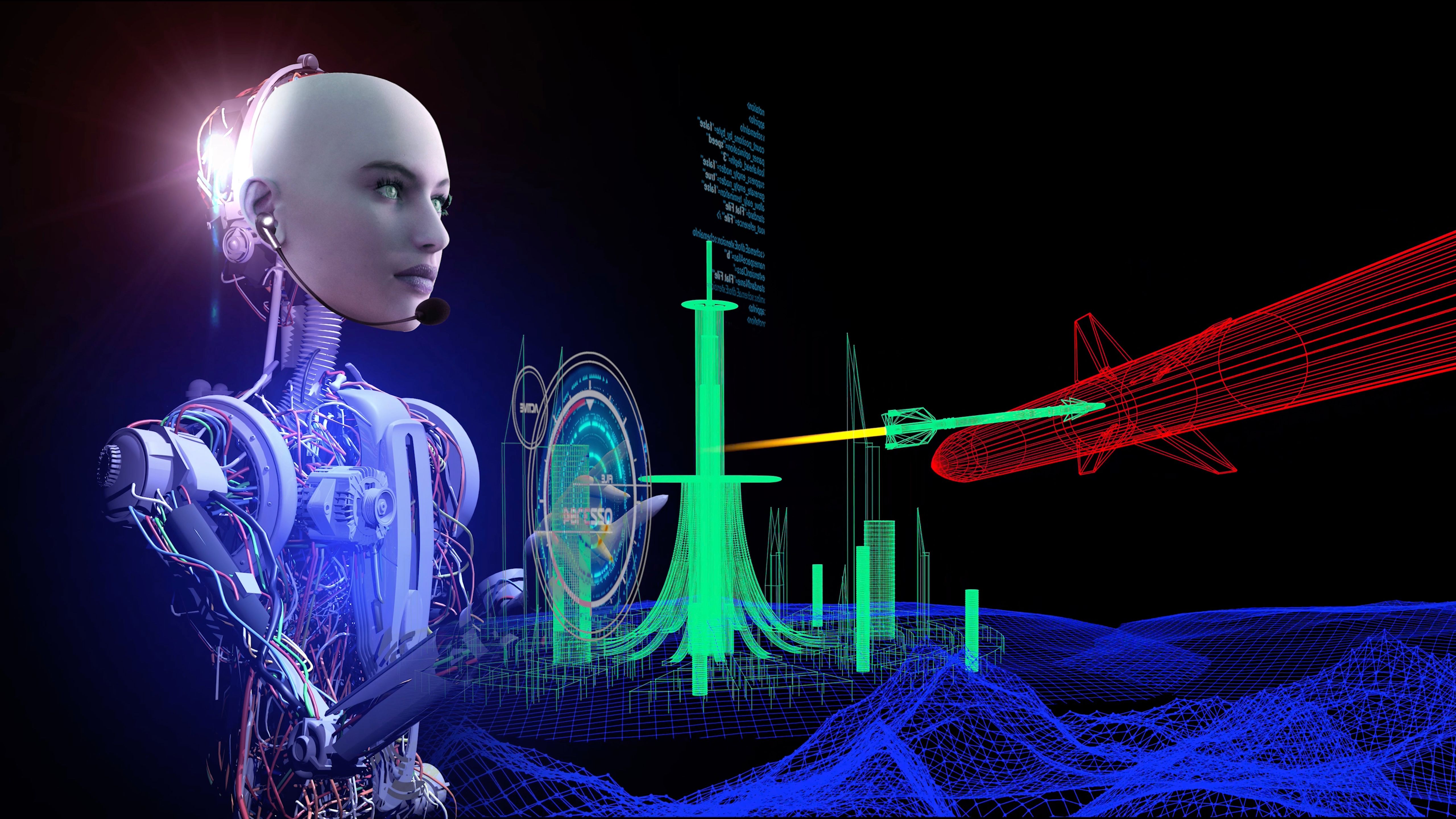
Myth 1: AI Will Replace Human Decision-Makers
A common misconception is that AI will completely replace human decision-makers in defense and critical infrastructure. In reality, AI is designed to augment human capabilities, not replace them. AI systems can process vast amounts of data quickly, providing insights that empower humans to make more informed decisions.
For example, in defense, AI can analyze satellite images to identify potential threats, but it is ultimately up to human analysts and commanders to interpret these findings and decide on actions. This collaboration enhances efficiency and accuracy, rather than eliminating human roles.
Myth 2: AI Systems Are Infallible
Another myth is that AI systems are perfect and infallible. While AI can outperform humans in specific tasks, it is not without flaws. AI models rely on data, and if the data is biased or incomplete, the results can be misleading.

It is crucial to implement rigorous testing and validation processes to ensure AI systems are reliable. Transparency in AI decision-making processes also helps build trust and allows for corrective measures when necessary.
Myth 3: AI Compromises Security
Some believe that integrating AI into critical infrastructure increases vulnerability to cyberattacks. While AI systems can be targeted, they also offer advanced security solutions. AI can detect anomalies in network traffic, identify potential threats in real-time, and respond faster than traditional systems.
By strengthening cybersecurity protocols and continuously updating AI systems, organizations can mitigate risks and enhance the security of their infrastructure.

Myth 4: AI Is Too Costly for Widespread Use
The perception that AI is prohibitively expensive deters some organizations from adopting it. However, the cost of AI technology has been decreasing. Additionally, the long-term benefits, such as improved efficiency, reduced human error, and enhanced security, often outweigh the initial investment.
Many AI solutions are scalable, allowing organizations to start small and expand as needed, making AI more accessible across different sectors.
Conclusion: Embracing AI Responsibly
AI's role in defense and critical infrastructure is transformative but requires careful implementation and management. By understanding and debunking these myths, stakeholders can better harness AI's potential, ensuring it serves as a valuable tool for enhancing security and efficiency.
With ongoing advancements and responsible practices, AI can significantly contribute to safeguarding our most vital systems.