Debunking Myths About AI in Defense: What You Need to Know


Understanding AI in Defense
As artificial intelligence (AI) continues to evolve, its integration into various sectors, including defense, has sparked numerous myths and misconceptions. It's crucial to address these misunderstandings to grasp AI's potential and limitations in military applications.
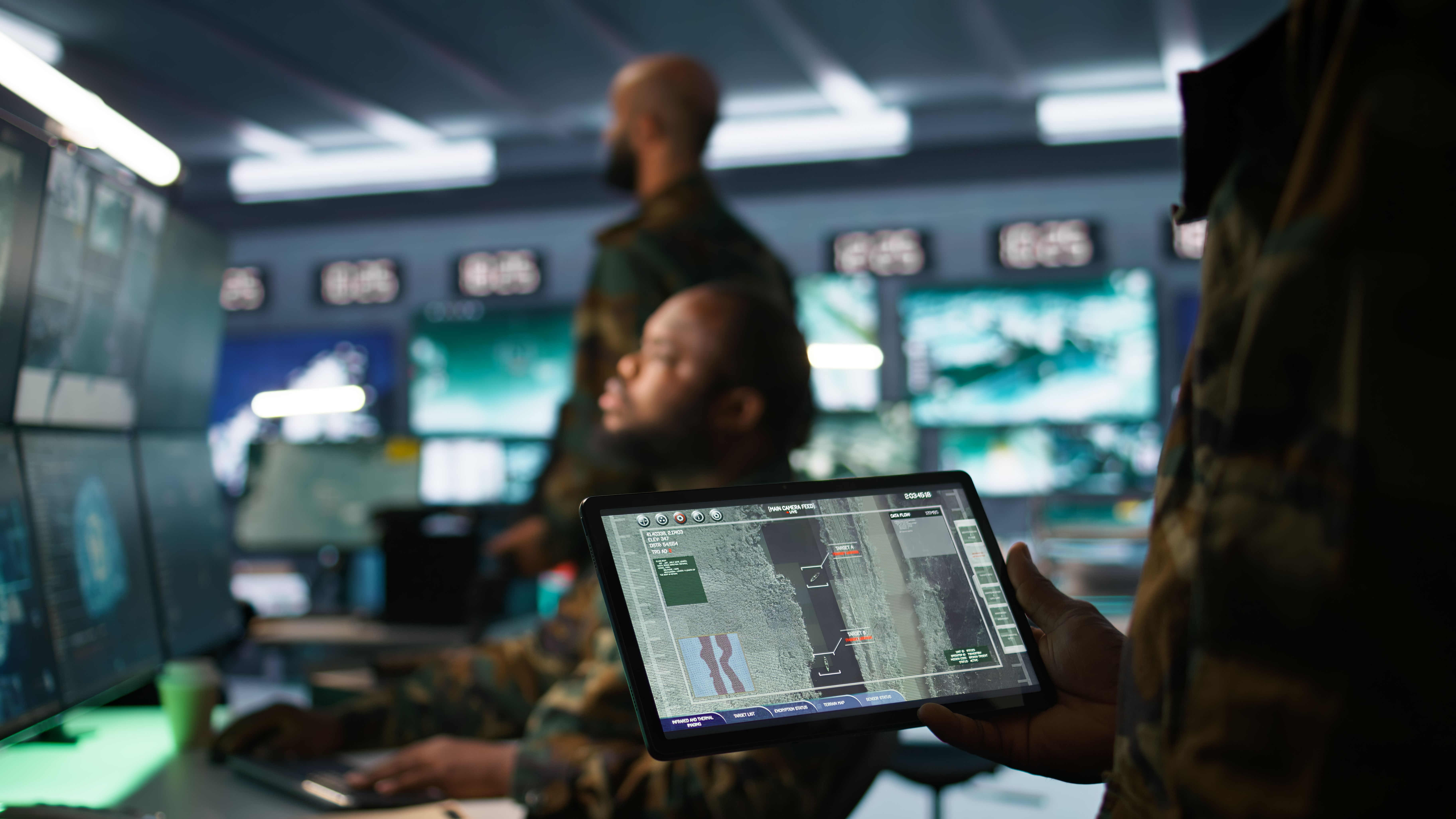
Myth 1: AI Will Replace Human Soldiers
One common myth is that AI will completely replace human soldiers on the battlefield. While AI can enhance capabilities and reduce risks, the human element remains irreplaceable. AI systems can assist with data analysis, logistics, and decision-making but lack the nuanced judgment and ethical considerations that human soldiers provide.
Currently, AI in defense is more about *augmenting* human capabilities rather than replacing them. Human oversight is essential to ensure ethical and effective use of AI technologies.
Myth 2: AI in Defense Is Fully Autonomous
Another misconception is that AI systems in defense are entirely autonomous. In reality, most AI technologies require significant human input and supervision. The military uses AI primarily for tasks like surveillance, threat detection, and predictive maintenance, which still depend on human validation and decision-making.
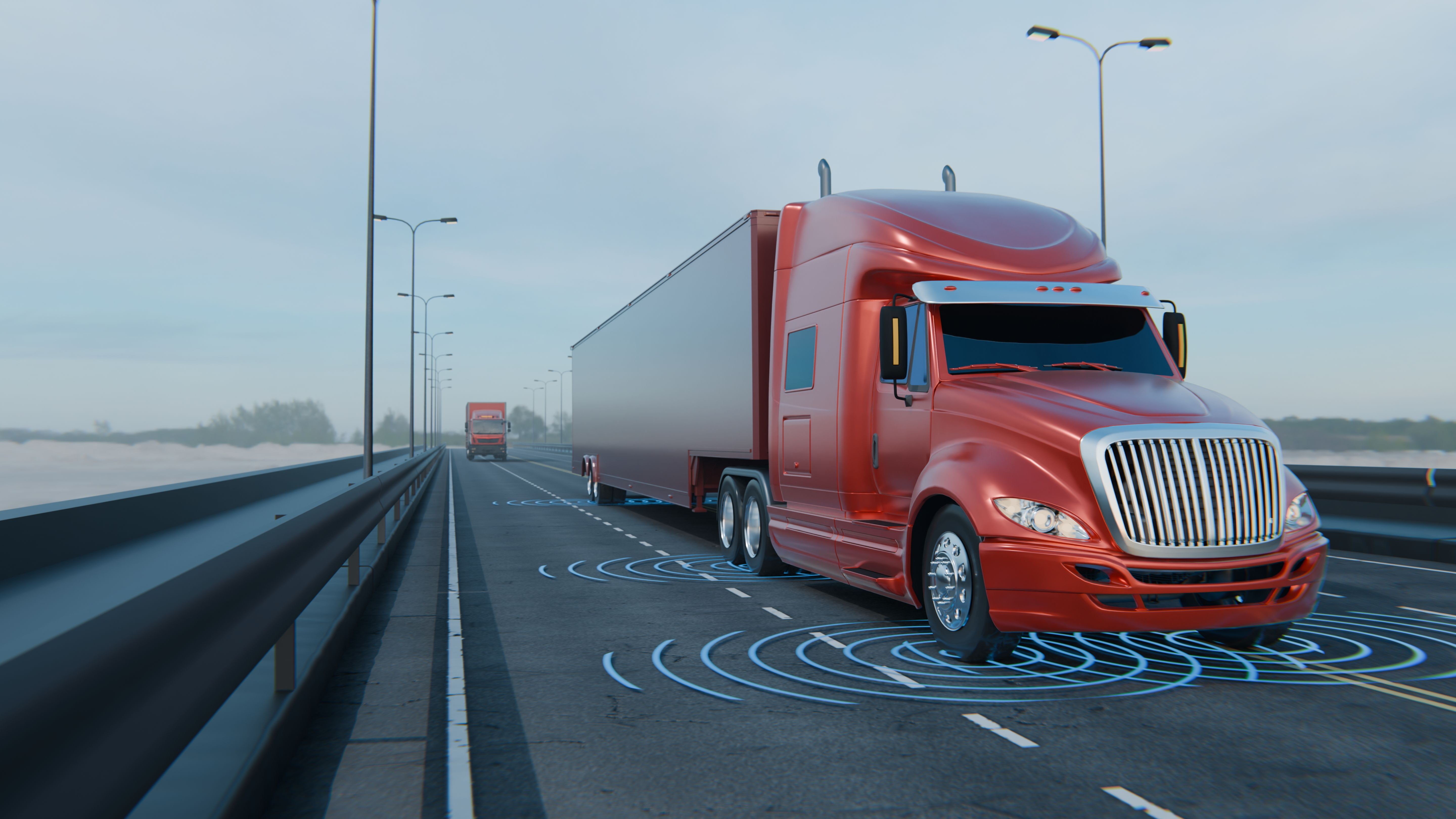
Fully autonomous weapons systems are a topic of ethical debate and are not widely implemented due to concerns about accountability and control.
Myth 3: AI Will Make War More Dangerous
There is a fear that AI will make warfare more dangerous by escalating conflicts and increasing casualties. However, AI can also improve precision and reduce collateral damage. For example, AI-driven drones can provide detailed reconnaissance, helping to avoid unnecessary confrontations.
By enhancing situational awareness and decision-making, AI has the potential to make military operations more strategic and less destructive.
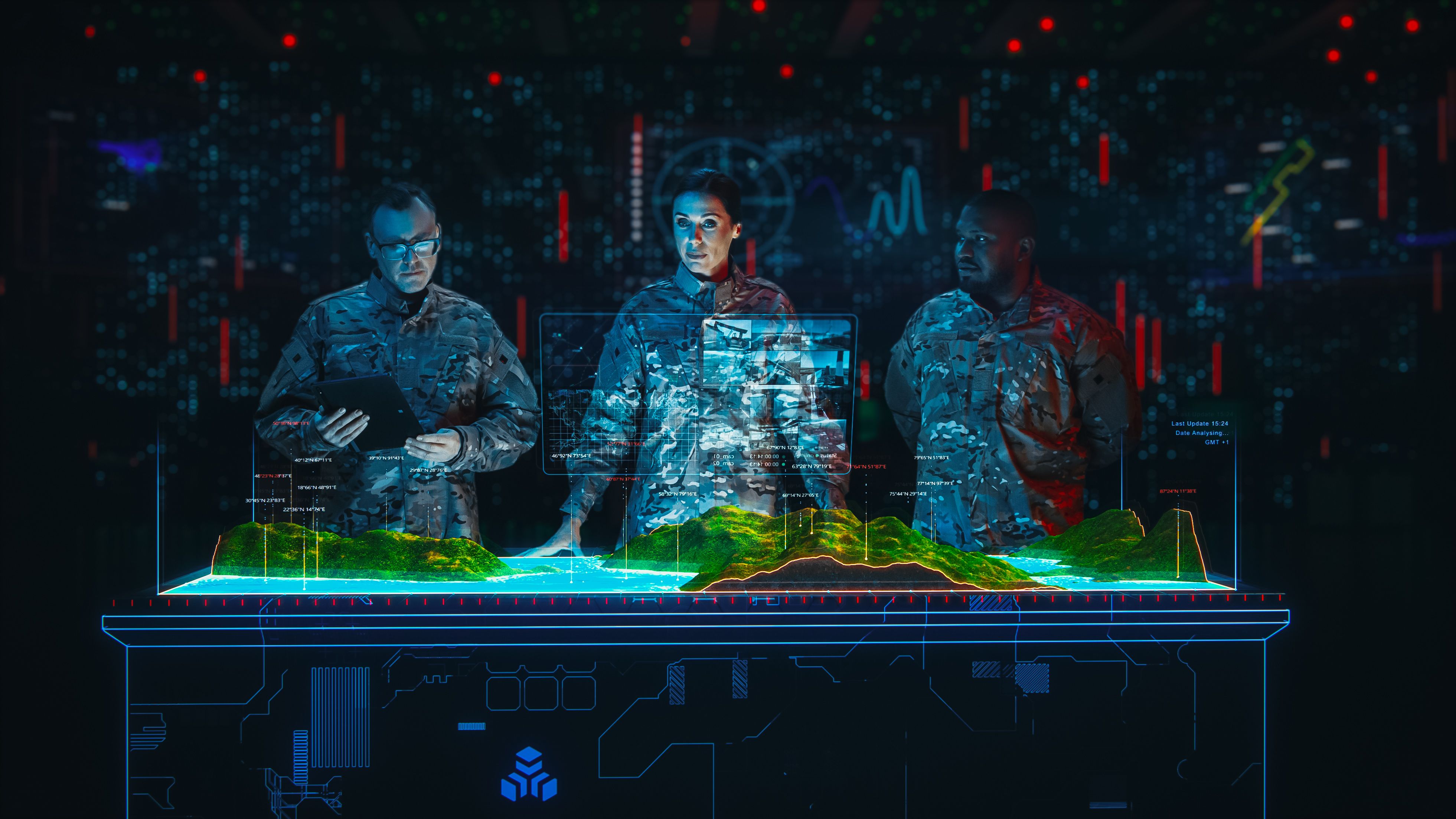
Myth 4: AI Is Infallible
Some believe that AI systems are infallible and can function without error. This is a dangerous misconception. AI systems are only as reliable as the data they are trained on and the algorithms that govern them. Errors in data or programming can lead to mistakes.
Continuous human oversight and rigorous testing are crucial to ensuring AI systems in defense operate safely and effectively.
The Importance of Understanding AI
Debunking these myths is essential for a balanced understanding of AI's role in defense. While AI presents incredible opportunities for efficiency and innovation, it is not without its challenges and limitations. By recognizing both the potential and the pitfalls, we can better navigate the integration of AI into military operations.