
Emerging AI Trends Transforming the Defense Sector


Introduction to AI in Defense
The defense sector is witnessing a significant transformation with the integration of artificial intelligence (AI). As technology advances, AI is becoming a crucial component in enhancing military capabilities and operations. This evolution is not just about adopting new tools but fundamentally reshaping strategies and tactics.
The incorporation of AI in defense is driven by the need for increased efficiency, improved decision-making, and enhanced security measures. AI technologies are streamlining operations and offering innovative solutions to complex military challenges.
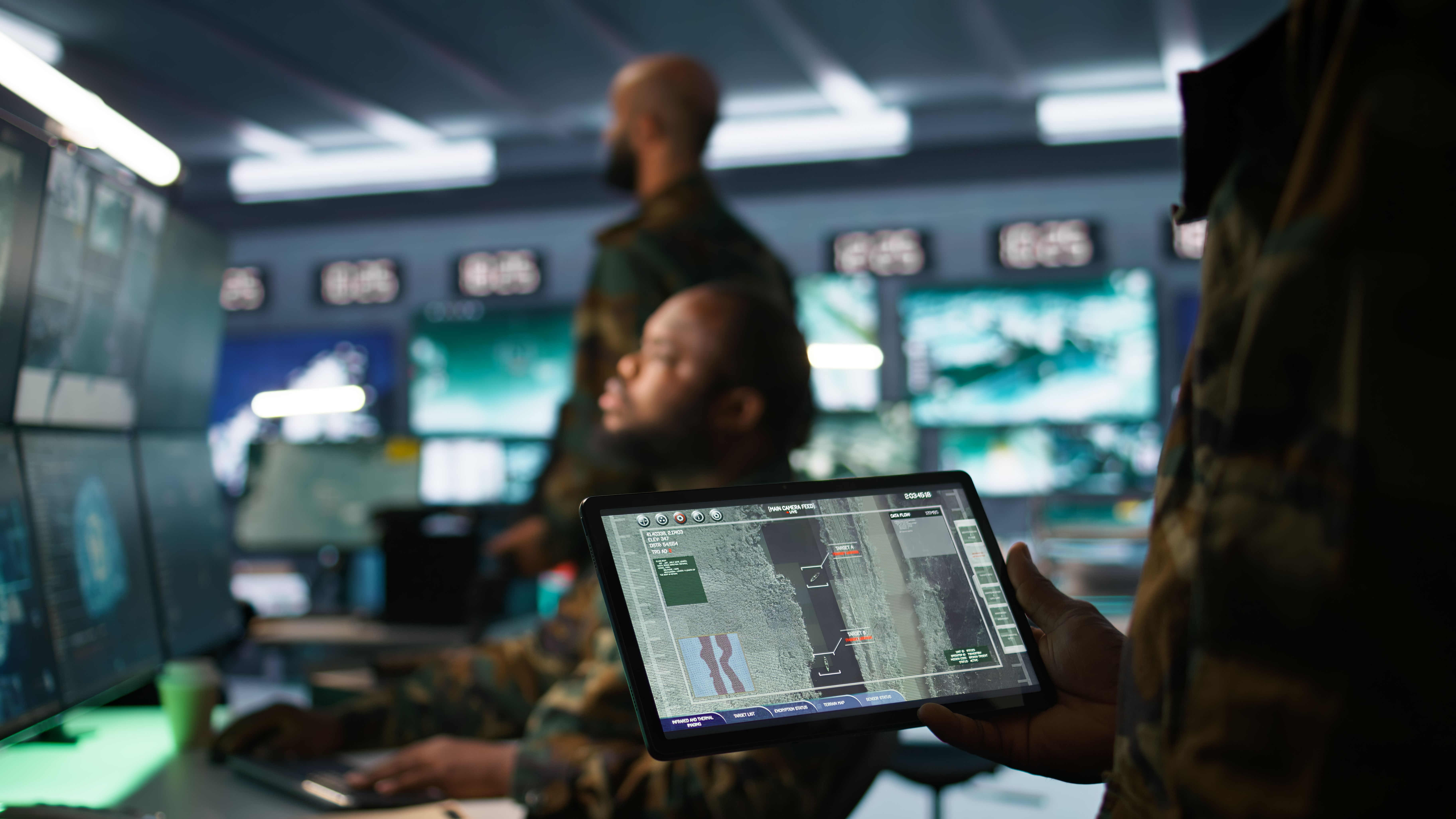
Autonomous Vehicles and Drones
One of the most visible applications of AI in the defense sector is the development of autonomous vehicles and drones. These technologies allow for safer and more efficient reconnaissance, surveillance, and combat operations. AI-powered drones can navigate complex environments, gather intelligence, and execute missions with minimal human intervention.
The use of AI in autonomous vehicles extends beyond air-based drones to include land and sea vehicles. These systems are equipped with advanced sensors and algorithms that enable them to adapt to dynamic environments and make real-time decisions.
Cybersecurity Enhancements
As military operations become increasingly digital, the importance of robust cybersecurity measures cannot be overstated. AI is playing a pivotal role in identifying and mitigating cyber threats. Machine learning algorithms can detect patterns and anomalies in network traffic, helping to prevent potential attacks before they occur.
AI-driven cybersecurity solutions offer proactive defense mechanisms, ensuring the integrity and confidentiality of sensitive military data. This technological advancement is essential in protecting national security interests.

Intelligent Data Analysis
In the defense sector, decision-making is heavily reliant on data. AI is transforming how this data is collected, analyzed, and utilized. Advanced AI systems can process vast amounts of information from various sources, providing actionable insights to military leaders.
This capability allows for more informed strategic planning and operational decisions. By leveraging AI, defense organizations can enhance their situational awareness and respond more effectively to emerging threats.
Human-Machine Collaboration
AI is not replacing human roles; instead, it is enhancing human capabilities. The collaboration between humans and AI systems is creating more efficient and effective military operations. AI assists in complex tasks, reducing human error and improving precision.
Human-machine teaming is particularly valuable in high-stakes situations where quick and accurate decision-making is crucial. This synergy is paving the way for a new era of military operations.

Challenges and Ethical Considerations
While AI offers numerous benefits, it also presents challenges and ethical considerations. The deployment of AI in defense raises questions about accountability, transparency, and the potential for autonomous systems to make life-and-death decisions.
Addressing these concerns requires careful regulation and the development of ethical frameworks to guide the use of AI in military contexts. Ensuring that AI systems are used responsibly and ethically is paramount to maintaining trust and security.
Conclusion
The integration of AI in the defense sector is reshaping the future of military operations. As technology continues to evolve, AI will play an increasingly vital role in enhancing capabilities and safeguarding national security. Embracing these emerging trends is crucial for staying ahead in a rapidly changing global landscape.
As we move forward, it is essential to balance technological advancements with ethical considerations, ensuring that AI serves as a force for good in the defense sector.