
Enhancing Mission Readiness with AI: A Guide to Advanced Technology in Defense Consulting


In the rapidly evolving landscape of defense, technology plays a crucial role in determining mission success. Artificial Intelligence (AI) is at the forefront of these advancements, offering unprecedented capabilities to enhance mission readiness. By integrating AI into defense consulting, organizations can streamline operations, improve decision-making, and maintain a tactical edge.
Understanding AI in Defense
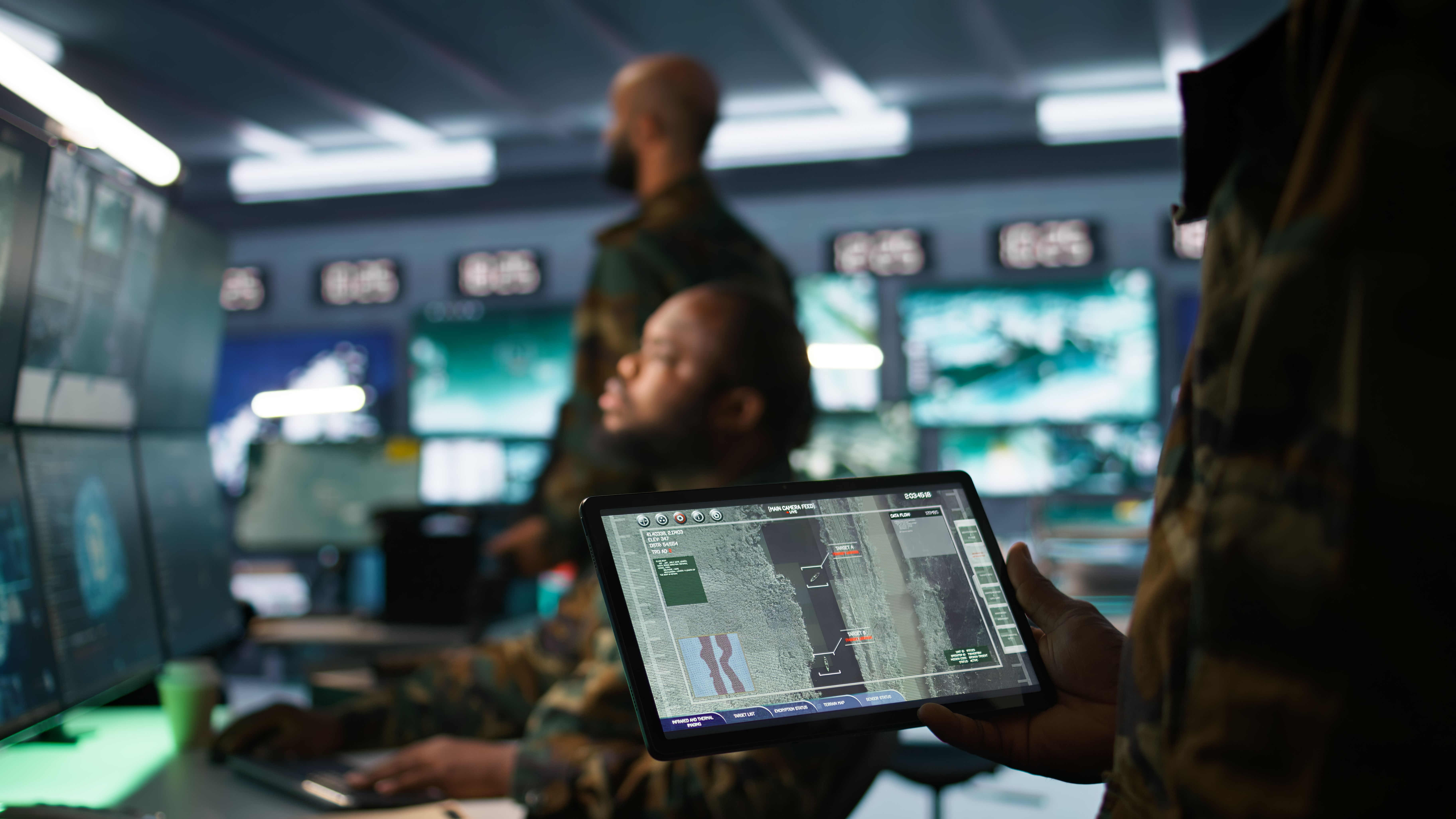
AI technology in defense encompasses a wide range of applications, from autonomous drones to advanced data analytics. These tools are designed to process vast amounts of information quickly and accurately, enabling defense personnel to make informed decisions. The integration of AI allows for real-time analysis, reducing the time needed to interpret complex data sets and enhancing situational awareness.
Data-Driven Decision Making
One of the primary benefits of AI in defense is its ability to support data-driven decision-making. By analyzing patterns and trends, AI can predict potential threats and recommend strategic actions. This capability is essential in dynamic environments where rapid response is crucial. The use of machine learning algorithms further enhances the accuracy of these predictions, ensuring that defense teams have the best information available.

Enhancing Operational Efficiency
AI technologies can significantly enhance operational efficiency by automating routine tasks. This automation allows personnel to focus on more strategic objectives, ensuring resources are used effectively. For instance, AI-powered systems can manage logistics, optimize supply chains, and even conduct maintenance checks on equipment. These improvements not only save time but also reduce the likelihood of human error.
Training and Simulation
AI also plays a vital role in training and simulation. By creating realistic scenarios, AI-driven training programs can prepare defense personnel for a variety of situations. These simulations allow for safe, controlled environments where strategies can be tested and refined without real-world risks. The continuous feedback provided by AI systems helps improve performance and readiness.

Challenges and Considerations
While AI offers numerous advantages, it also presents challenges that need to be addressed. One of the primary concerns is cybersecurity. As AI systems become integral to defense operations, they become targets for cyber threats. Ensuring robust security measures are in place is essential to protect sensitive data and maintain operational integrity.
Ethical and Legal Implications
The implementation of AI in defense also raises ethical and legal questions. It is crucial to establish clear guidelines and regulations to govern the use of AI technologies. These frameworks should ensure that AI is used responsibly and that decisions made by AI systems are transparent and accountable.

Future Prospects
The future of AI in defense consulting is promising, with ongoing research and development poised to unlock even more capabilities. As technology continues to advance, AI will play an increasingly vital role in ensuring mission readiness. By embracing these innovations, defense organizations can maintain a competitive edge and secure their objectives in an ever-changing world.
In conclusion, AI offers transformative potential for enhancing mission readiness. By understanding and implementing AI technologies, defense consultants can provide strategic advantages and ensure that their clients are prepared for any challenge that may arise. The integration of AI is not just an option; it is a necessity for future success.