
Harnessing AI: Innovative Strategies for Military Readiness Enhancement


Introduction to AI in Military Operations
Artificial Intelligence (AI) is revolutionizing various sectors, and the military is no exception. By integrating AI technologies, military forces can enhance operational efficiency, decision-making, and overall readiness. This post explores innovative strategies that leverage AI to boost military preparedness.
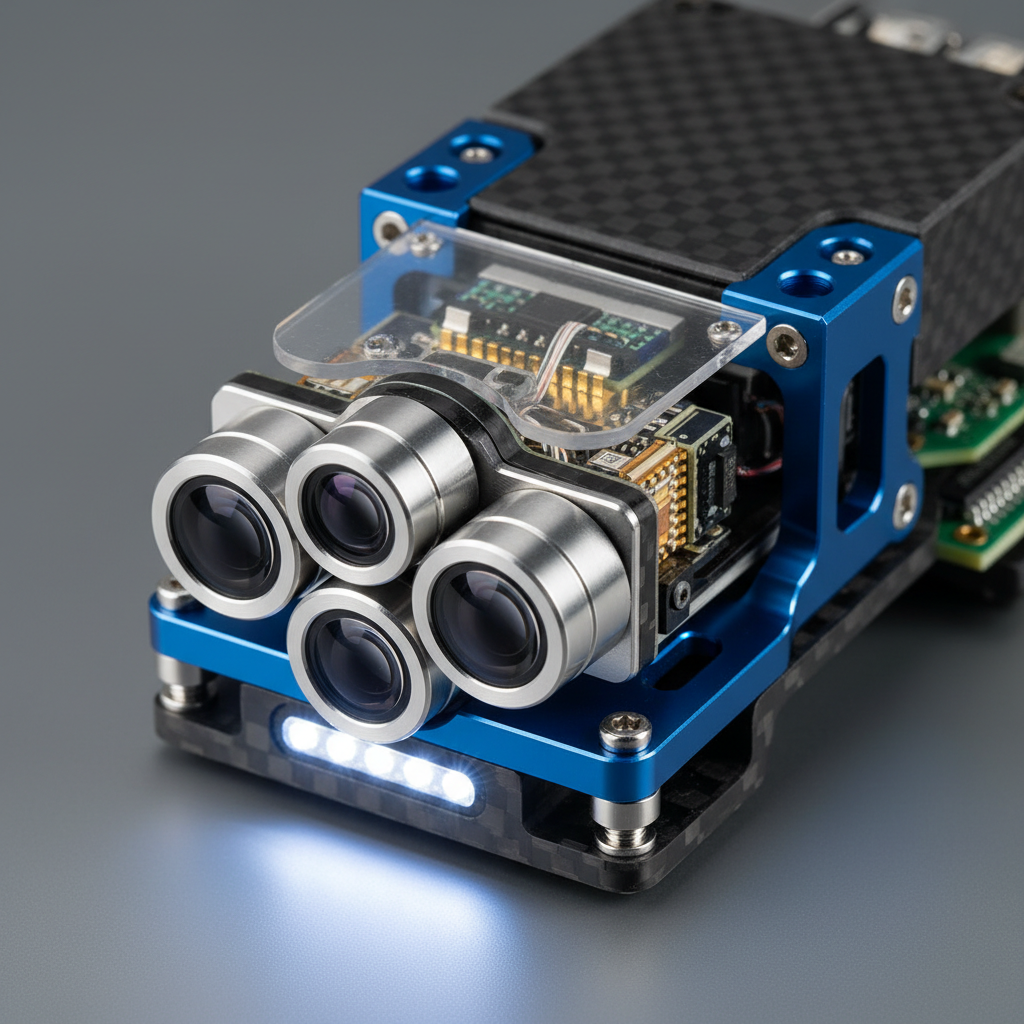
AI-Powered Intelligence Gathering
One of the most significant advantages of AI in the military is its ability to gather and analyze vast amounts of data quickly. AI systems can process information from satellites, drones, and surveillance systems, providing real-time intelligence that is crucial for strategic planning. This rapid analysis helps in identifying potential threats and developing countermeasures efficiently.
Enhancing Training with AI
AI can transform military training by creating realistic simulations and personalized learning experiences. By using virtual reality (VR) and AI-driven scenarios, soldiers can train in diverse environments without the risks associated with live exercises. AI systems can also adapt training modules based on individual performance, ensuring that each soldier receives tailored guidance.

Optimizing Logistics and Supply Chains
Efficient logistics are vital for military readiness. AI can optimize supply chain management by predicting demand, automating inventory processes, and streamlining transportation routes. This ensures that troops have the necessary supplies at the right time and place, minimizing delays and enhancing operational capability.
AI in Cybersecurity
As cyber threats become more sophisticated, the military must enhance its cybersecurity measures. AI can monitor network activity, detect anomalies, and respond to threats faster than traditional methods. By employing AI-driven cybersecurity solutions, military forces can protect sensitive data and maintain the integrity of their communications systems.

Autonomous Vehicles and Drones
The deployment of autonomous vehicles and drones is another area where AI is making a substantial impact. These technologies can perform reconnaissance, deliver supplies, and even engage in combat scenarios. By reducing the need for human involvement in dangerous situations, AI-driven drones and vehicles enhance safety and operational effectiveness.
Decision-Making and Strategy Development
AI can assist military leaders in decision-making by providing data-driven insights and predictive analysis. By simulating different scenarios, AI systems help strategists evaluate outcomes and make informed decisions. This ability to anticipate and plan enhances strategic readiness and operational success.

Conclusion
Harnessing AI in military operations offers numerous advantages, from improved intelligence gathering to enhanced training and optimized logistics. By adopting these innovative strategies, military forces can significantly boost their readiness and maintain a competitive edge. As technology continues to evolve, the integration of AI in military applications will become increasingly vital for national security.