
How AI Transforms Predictive Maintenance in Defense Systems


Introduction to Predictive Maintenance in Defense
In the defense sector, maintaining the operational readiness of equipment and systems is of paramount importance. Predictive maintenance, powered by artificial intelligence (AI), is revolutionizing how defense systems are maintained, ensuring they are always ready for deployment.
Predictive maintenance involves using data analysis tools to predict when an asset will require maintenance. This foresight can save costs, enhance efficiency, and improve safety. AI technologies are now at the forefront of transforming these maintenance strategies.
The Role of AI in Predictive Maintenance
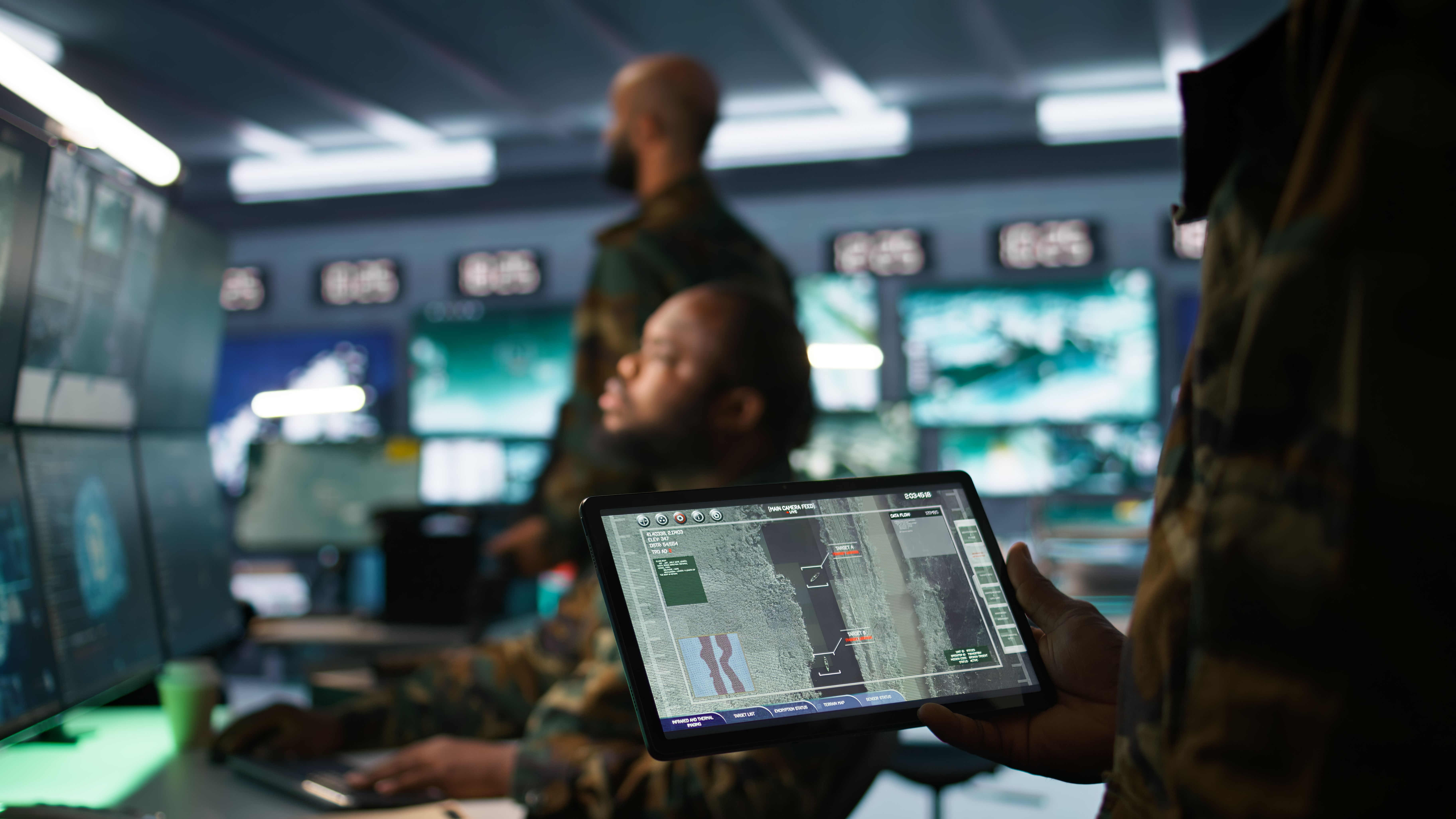
AI enhances predictive maintenance by analyzing vast amounts of data collected from various sensors and systems. Machine learning algorithms can detect patterns and anomalies that might indicate potential failures.
By leveraging AI, defense organizations can transition from a reactive maintenance approach to a proactive one. This shift reduces unexpected equipment failures and extends the lifespan of critical assets.
Data Collection and Analysis
AI systems can process data from multiple sources, including IoT devices and historical maintenance records. This comprehensive analysis provides a more accurate prediction of when and where maintenance is needed.

Benefits of AI-Driven Predictive Maintenance
Implementing AI in predictive maintenance offers several key benefits for defense systems:
- Cost Savings: By predicting failures before they occur, organizations can save on costly repairs and downtime.
- Increased Efficiency: Maintenance teams can focus their efforts where they are most needed, optimizing resource allocation.
- Enhanced Safety: Predictive maintenance helps prevent catastrophic failures, ensuring the safety of personnel and equipment.
Integration Challenges and Solutions
While the benefits are significant, integrating AI into existing maintenance processes can be challenging. Issues such as data quality, system compatibility, and resistance to change must be addressed.
Successful integration often involves a phased approach, starting with pilot projects to demonstrate value and build confidence within the organization.
Future Prospects of AI in Defense Maintenance
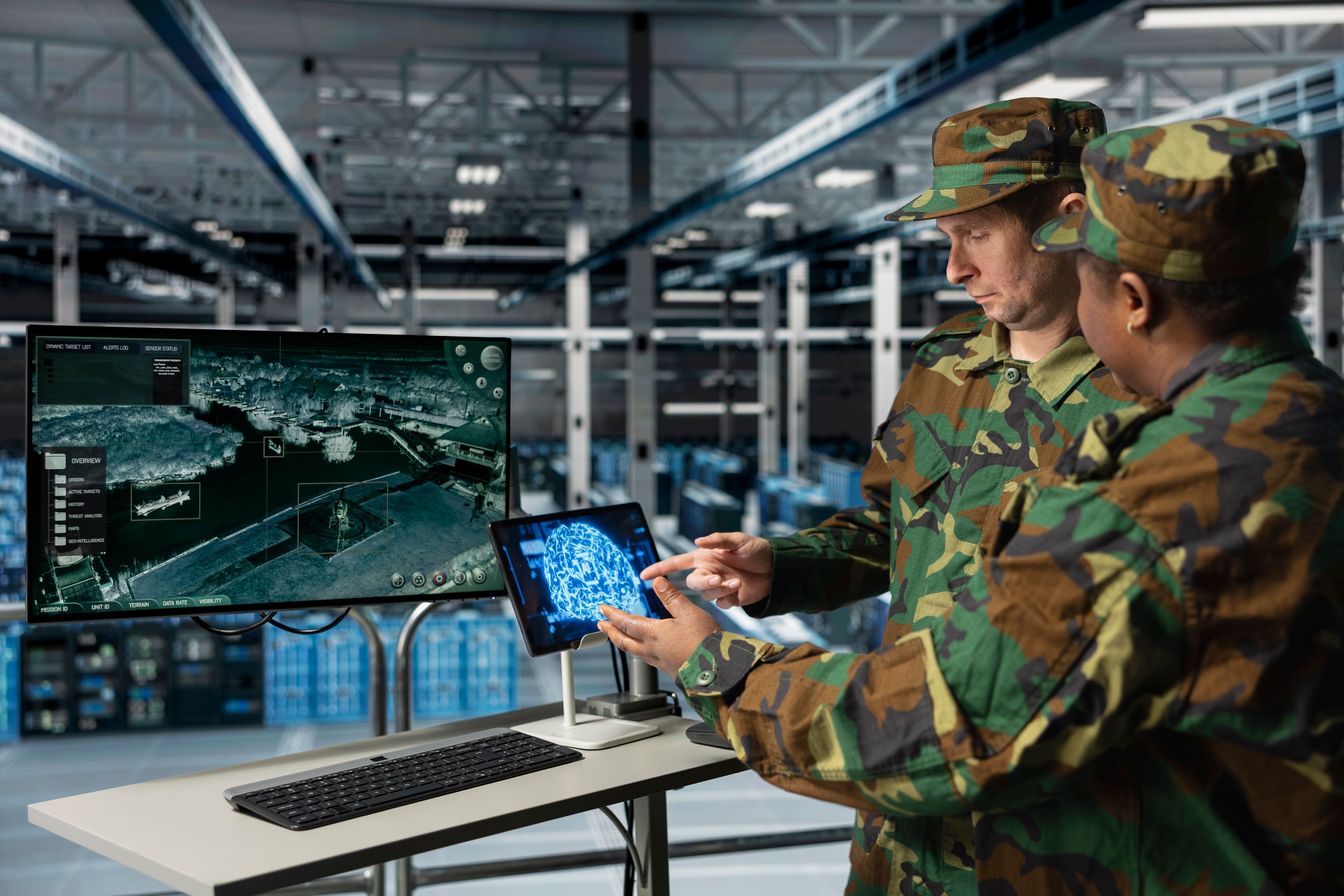
The future of AI in predictive maintenance looks promising. As technology continues to evolve, AI algorithms will become even more sophisticated, providing greater accuracy and insights.
Emerging technologies such as digital twins and advanced simulation models will further enhance predictive capabilities, allowing for real-time monitoring and dynamic response to potential issues.
Conclusion
AI is transforming predictive maintenance in defense systems, offering unprecedented opportunities to improve efficiency, safety, and cost-effectiveness. By embracing these technologies, defense organizations can ensure their systems are always mission-ready, ultimately enhancing national security.