
How Digital Twins are Enhancing Military Mission Readiness


Understanding Digital Twins
In the rapidly evolving landscape of technology, digital twins have emerged as a revolutionary tool, significantly enhancing various sectors. Originally developed for industrial applications, digital twins are now making substantial strides in the military domain. A digital twin is a virtual replica of a physical entity, allowing for real-time simulation and analysis of systems and processes.
By leveraging these virtual models, the military can simulate various scenarios and predict outcomes, leading to improved decision-making and strategic planning. This capability is crucial in an environment where mission readiness can mean the difference between success and failure.
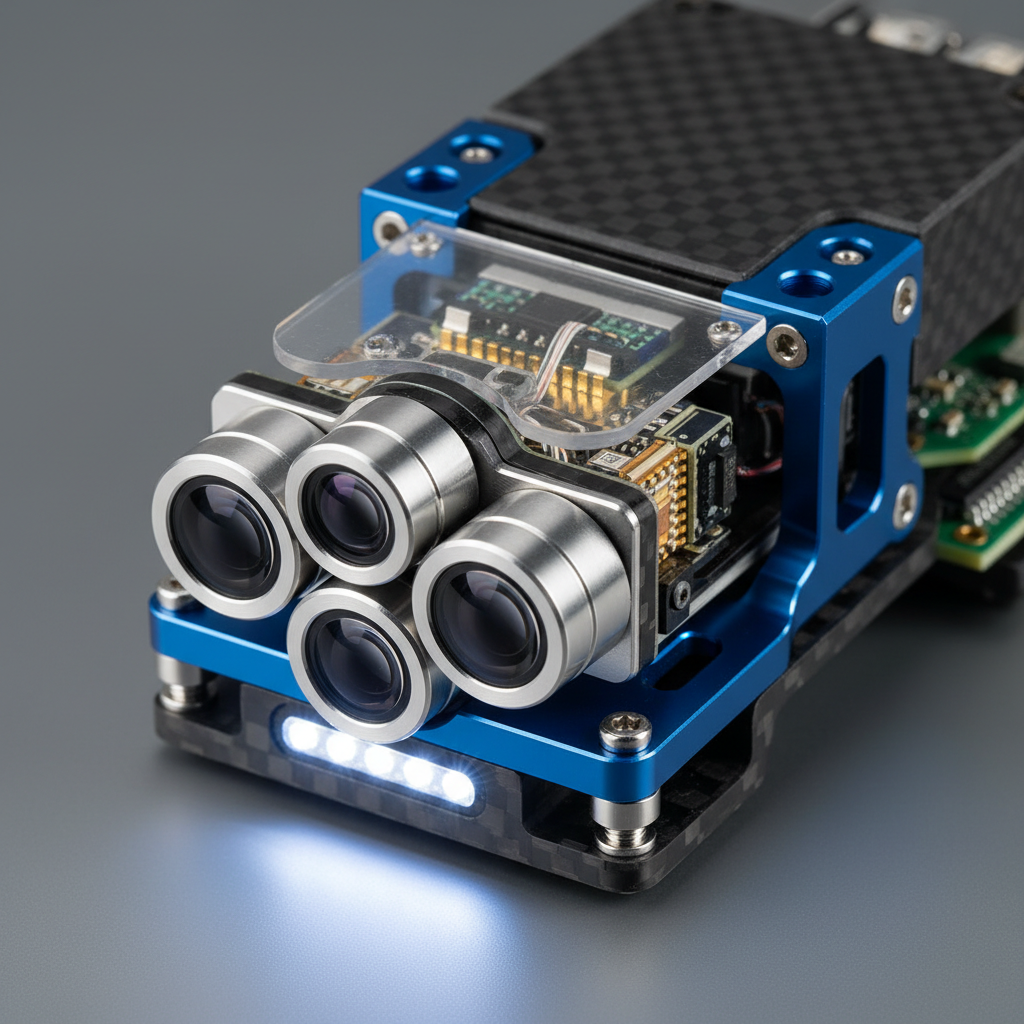
Enhancing Training and Preparedness
One of the primary benefits of digital twins is their ability to enhance training programs. By creating a virtual environment that mirrors real-world conditions, military personnel can engage in highly realistic training exercises without the associated risks. This simulation capability allows for repeated practice and refinement of skills, ensuring that troops are better prepared for actual missions.
Moreover, digital twins enable the analysis of performance in these simulated environments, providing invaluable feedback for continuous improvement. This data-driven approach ensures that training programs are both efficient and effective.
Real-Time Scenario Planning
With digital twins, military strategists can conduct real-time scenario planning. By adjusting variables within the digital twin, planners can explore different strategies and tactics, evaluating their potential outcomes without the need for physical deployment. This capability is especially valuable in rapidly changing environments where adaptability is crucial.
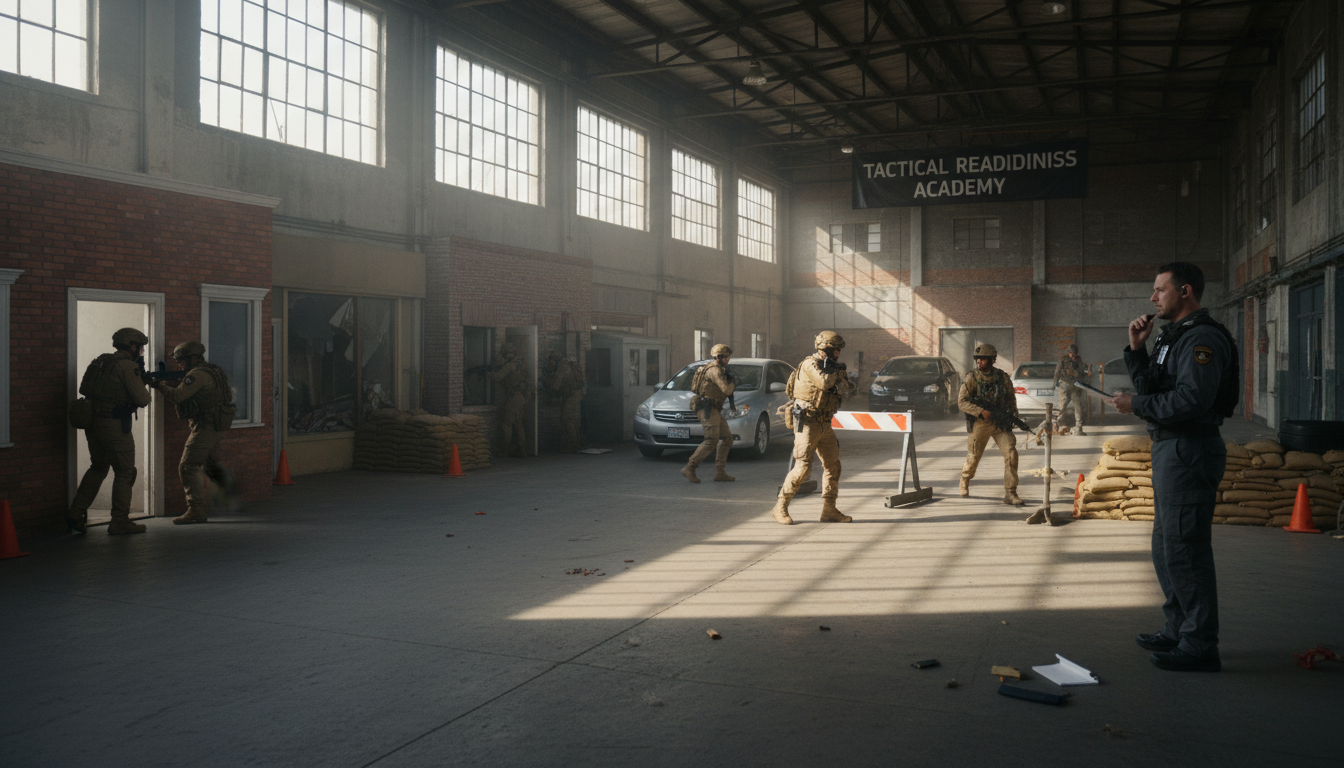
Optimizing Equipment Maintenance
Maintenance of military equipment is another area where digital twins offer significant advantages. These virtual models can predict equipment failures before they occur, allowing for proactive maintenance and reducing downtime. This predictive maintenance approach ensures that machinery remains in optimal condition, directly impacting mission readiness.
By continuously monitoring equipment performance through digital twins, the military can also extend the lifespan of assets, resulting in cost savings and increased efficiency.
Data-Driven Decision Making
The integration of digital twins into military operations enables data-driven decision-making. By collecting and analyzing data from various sources, commanders can gain insights into operational effectiveness and make informed decisions. This real-time data analysis enhances situational awareness, leading to more strategic and effective mission planning.
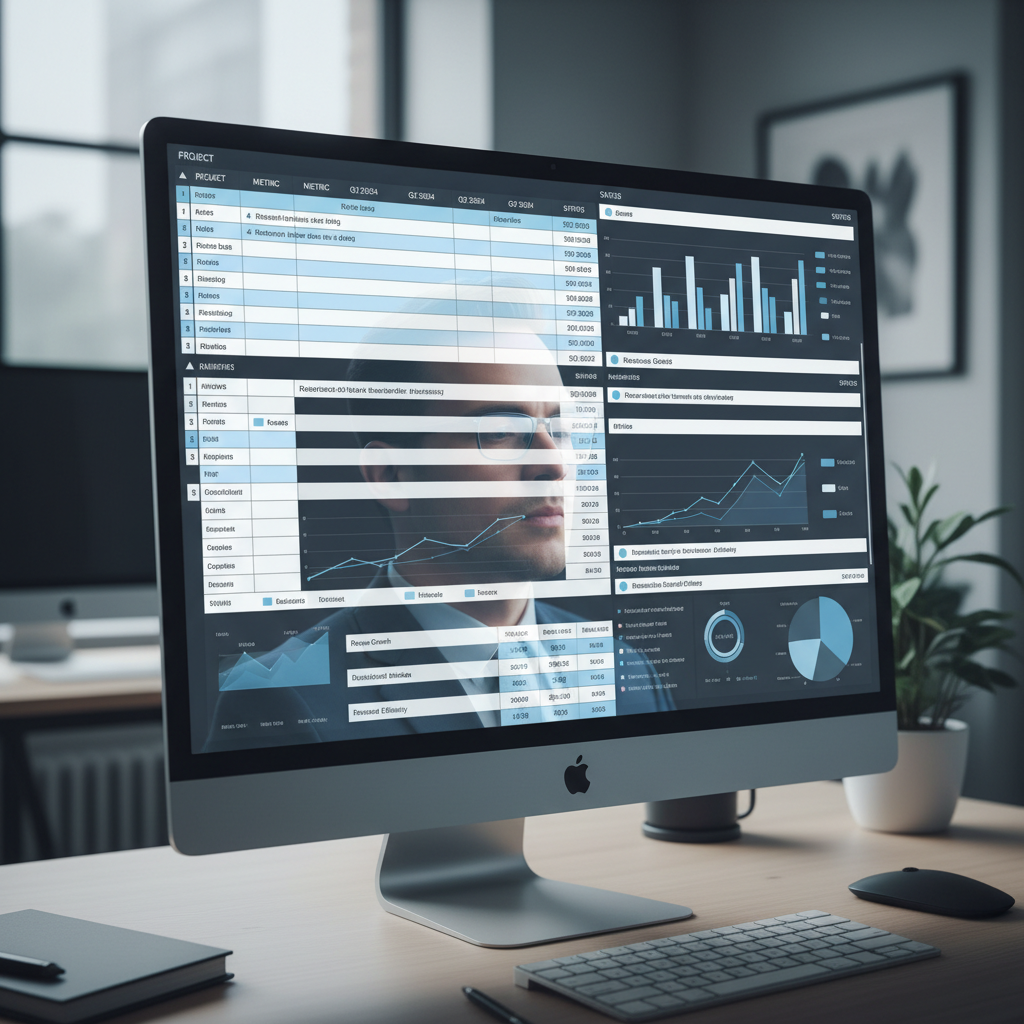
Improving Communication and Collaboration
Digital twins facilitate improved communication and collaboration among different branches of the military. By providing a shared virtual model, all stakeholders can access the same data and insights, leading to a more unified approach to mission planning and execution. This unified perspective helps in aligning objectives and strategies across the board.
As digital twins continue to evolve, their impact on military mission readiness will likely grow, providing even more sophisticated tools for ensuring the success of operations. The future of military strategy and planning is being shaped by these virtual counterparts, making them an indispensable asset in the modern military toolkit.