
How Digital Twins are Transforming Military Training Simulations


Understanding Digital Twins
The concept of digital twins has been gaining traction across various industries, and the military sector is no exception. A digital twin is a virtual replica of a physical entity, which can be an object, system, or even an entire environment. These replicas allow for real-time monitoring, analysis, and simulation, providing invaluable insights and opportunities for optimization.
In the context of military training, digital twins are revolutionizing how simulations are conducted, offering enhanced realism and adaptability. These virtual counterparts enable military personnel to engage in complex, realistic training scenarios without the associated risks and costs of traditional methods.
Enhancing Realism in Training
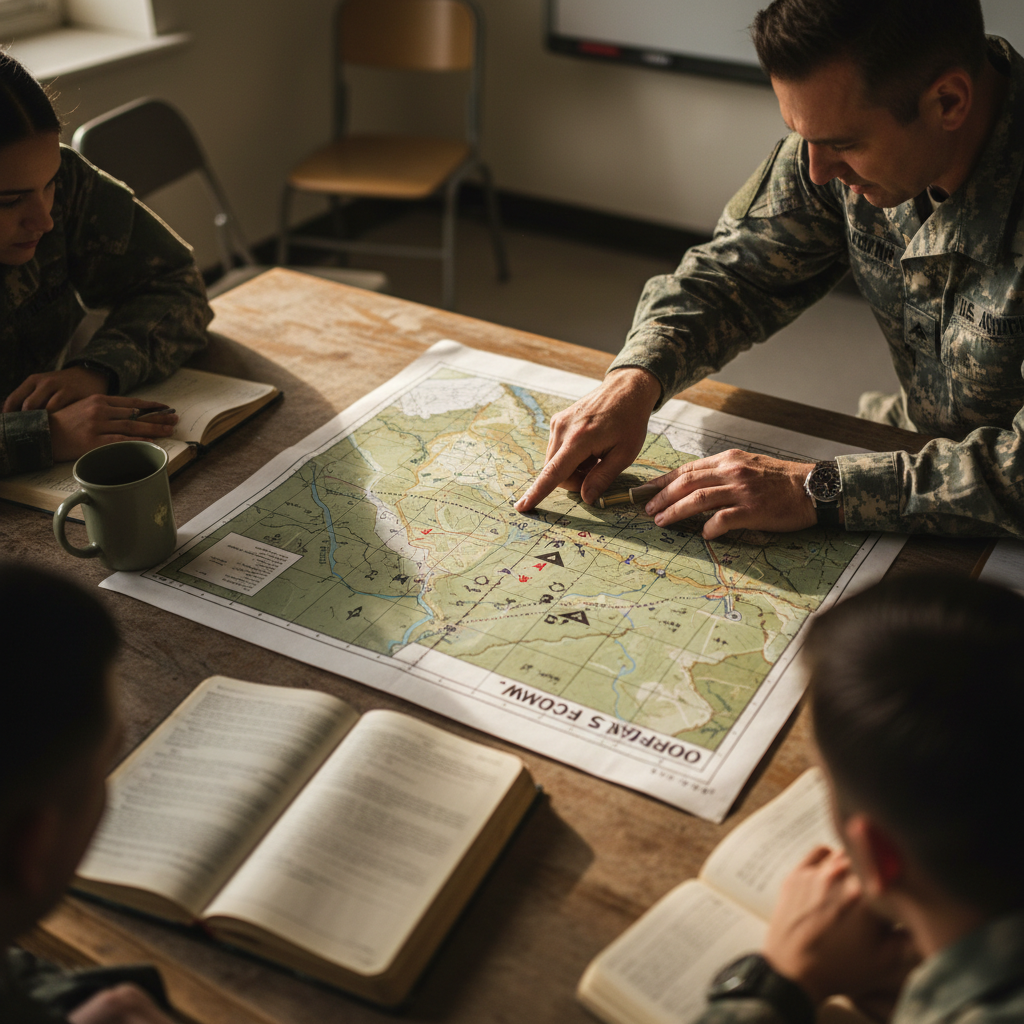
One of the key benefits of using digital twins in military training simulations is the ability to create highly realistic environments. By replicating physical terrains, vehicles, and even weather conditions, trainees can immerse themselves in scenarios that closely mimic real-world conditions.
This enhanced realism helps improve decision-making and tactical skills by allowing soldiers to practice in environments that would otherwise be difficult to replicate. The ability to adjust variables in real-time further enhances the training experience, providing a dynamic and responsive learning platform.
Cost-Effective and Safe Training Solutions
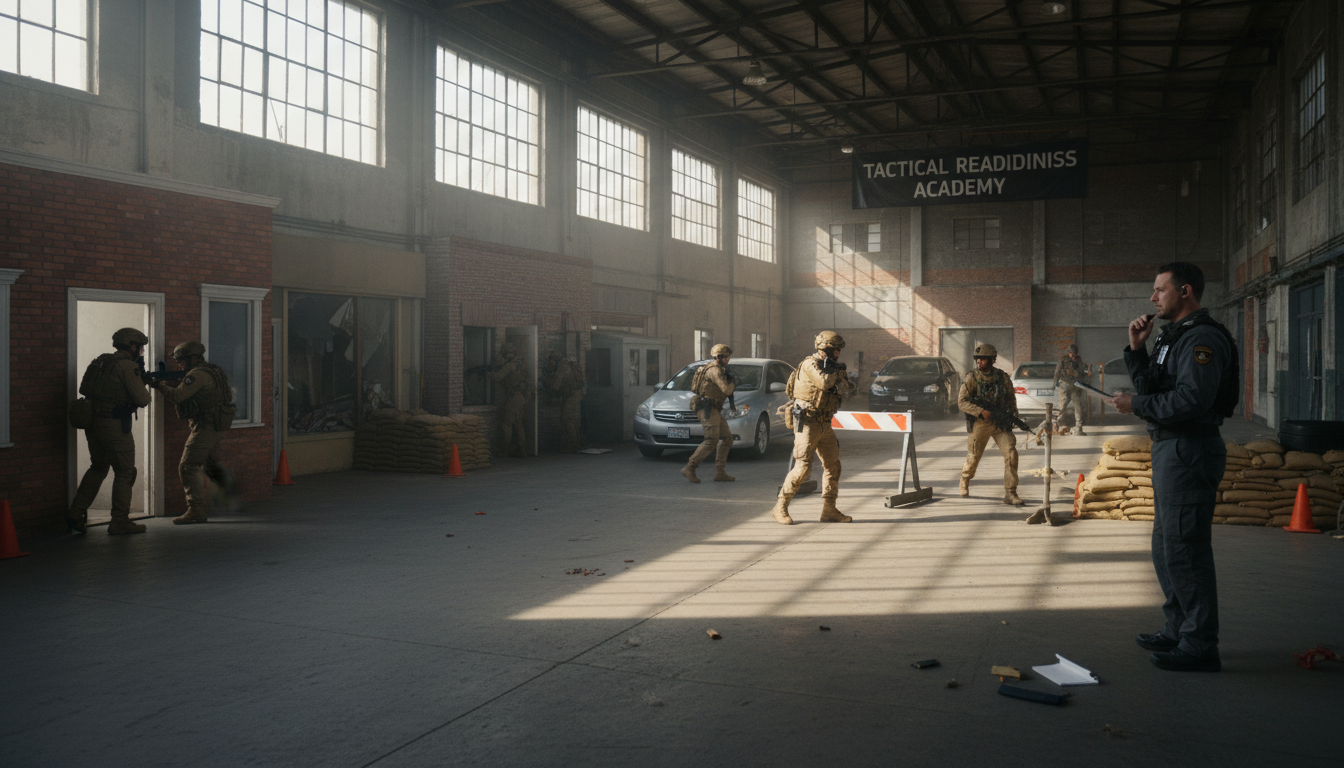
Traditional military training exercises can be expensive and logistically challenging. Digital twins offer a cost-effective alternative by reducing the need for physical resources and mitigating the risks associated with live training. By using virtual simulations, the military can save on fuel, equipment wear and tear, and other operational costs.
Moreover, digital twins provide a safe environment for soldiers to learn from mistakes without real-world consequences. This safety aspect is crucial, especially when dealing with complex machinery or hazardous scenarios, allowing for thorough preparation and risk-free repetition.
Improving Analysis and Feedback
Digital twins also enhance the feedback loop in military training by providing detailed analytics and performance metrics. Trainers can track progress, identify areas for improvement, and tailor training programs to individual needs. This personalized approach ensures that each soldier receives the most effective training possible.
Furthermore, the data collected from these simulations can be used to develop predictive models and strategies, which are invaluable for planning and decision-making processes. This data-driven approach leads to more efficient and effective training outcomes.
The Future of Military Training
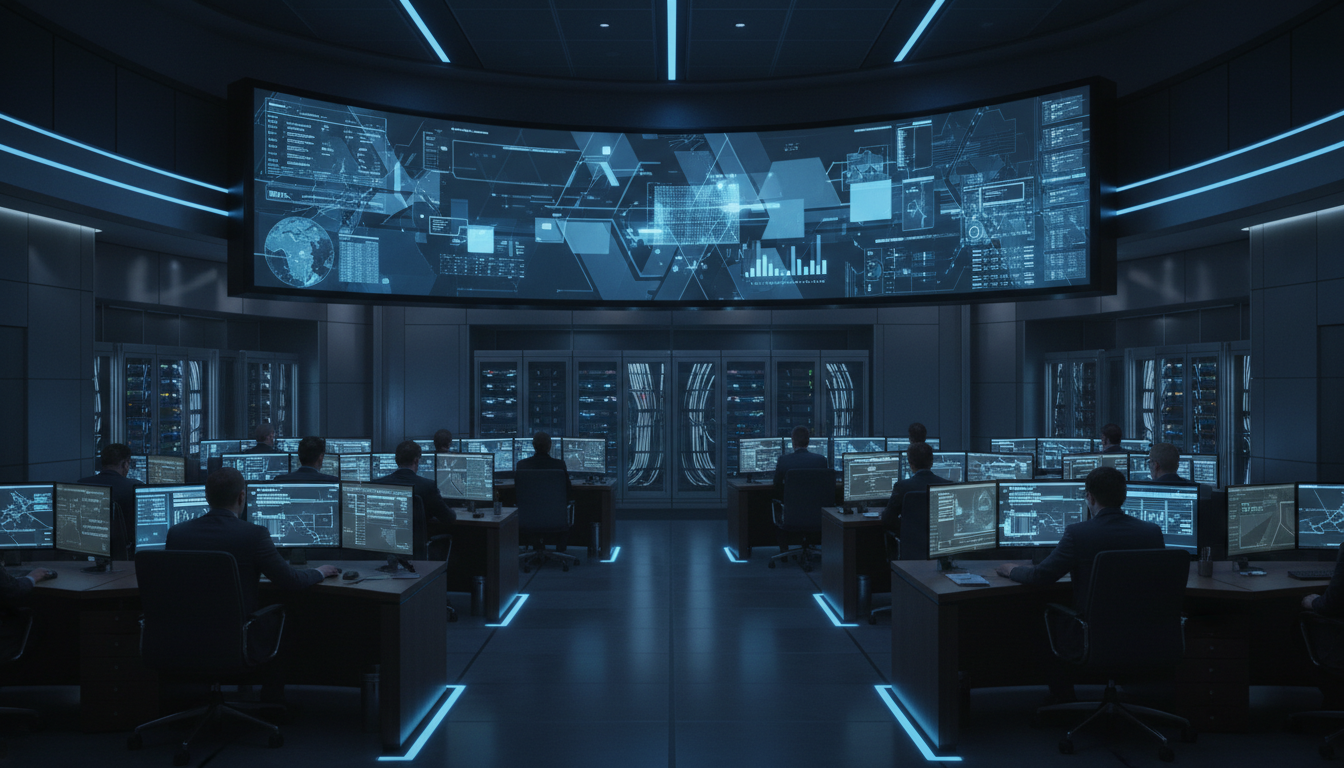
As technology continues to advance, the potential applications of digital twins in military training will only expand. The integration of artificial intelligence and machine learning could lead to even more sophisticated simulations, providing deeper insights and more comprehensive training experiences.
In conclusion, digital twins are transforming military training simulations by offering realistic, cost-effective, and safe training solutions. By leveraging this technology, the military can prepare its personnel more effectively for the challenges of modern warfare, enhancing both readiness and operational effectiveness.