
How Digital Twins Can Cut Operational Costs in Defense Agencies


Understanding Digital Twins in Defense
Digital twins are virtual replicas of physical systems, processes, or products that simulate real-world performance. In defense agencies, these virtual models are used to mirror complex operations and equipment, allowing for unprecedented insights into efficiency and functionality. By creating a digital twin, agencies can observe, analyze, and optimize their processes without the risks and costs associated with physical trials.

Reducing Maintenance Costs
One of the most significant ways digital twins cut operational costs is through predictive maintenance. By continuously monitoring and analyzing data from the digital twin, defense agencies can anticipate equipment failures before they occur. This proactive approach reduces downtime and minimizes repair costs, ultimately extending the life of critical assets. Maintenance schedules can be optimized, ensuring that resources are allocated effectively and only when necessary.
Enhanced Decision-Making
Digital twins empower decision-makers with real-time data and comprehensive analysis. Defense agencies can simulate various scenarios to predict outcomes, allowing them to make informed decisions that enhance operational efficiency. This capability not only reduces costs but also improves strategic planning and resource allocation. By minimizing guesswork, agencies can achieve greater precision in their operations.
Streamlining Training and Development
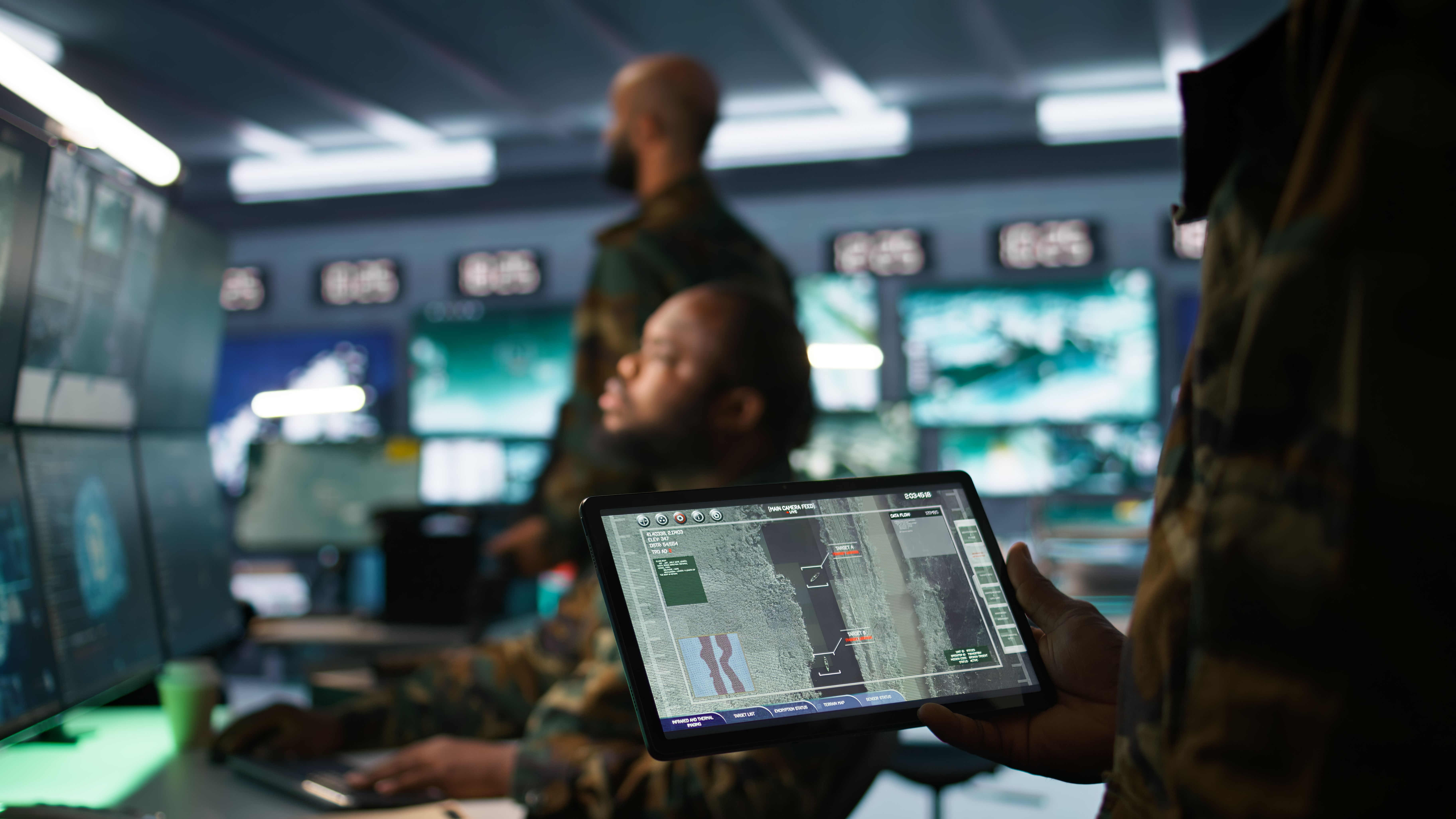
Training personnel is a costly endeavor in defense operations. Digital twins offer a more efficient solution by providing realistic simulations for training purposes. Personnel can engage with virtual models that accurately represent real-world scenarios, reducing the need for expensive and resource-intensive physical exercises. This approach ensures that military personnel are well-prepared without incurring unnecessary expenses.
Improved Supply Chain Management
Another area where digital twins can make a significant impact is in supply chain management. By modeling the entire supply chain process, defense agencies can identify potential bottlenecks and inefficiencies. This insight enables them to streamline logistics, reduce waste, and optimize inventory levels, leading to significant cost savings. The enhanced visibility ensures that resources are used efficiently and effectively.
Enhancing Collaboration and Communication
Digital twins facilitate better collaboration among different departments and stakeholders. By providing a shared platform for viewing and analyzing data, teams can work together more effectively. This shared understanding fosters improved communication, leading to more integrated and cohesive operations. The result is a more agile and responsive organization that can adapt quickly to changing circumstances.
Future Potential and Innovations
The use of digital twins in defense is still evolving, with exciting potential for future innovations. As technology advances, these virtual models will become even more sophisticated, offering deeper insights and broader applications. Defense agencies that invest in digital twin technology today will be well-positioned to leverage these advancements for sustained cost reductions and operational improvements.

In conclusion, digital twins offer a powerful tool for defense agencies looking to cut operational costs and enhance efficiency. From predictive maintenance to improved training, the benefits are extensive and impactful. By embracing this technology, defense organizations can ensure they remain competitive and prepared in an ever-evolving landscape.