How Digital Twins Revolutionize Operational Simulations in Defense


Understanding Digital Twins
The concept of digital twins has been gaining traction across various industries, and its application in defense is particularly transformative. A digital twin is a virtual replica of a physical entity, system, or process. In defense, these digital counterparts are used to simulate, analyze, and predict operational scenarios with remarkable precision.
By leveraging real-time data and advanced modeling techniques, digital twins enable defense sectors to optimize performance, reduce costs, and enhance operational readiness. They offer a dynamic platform that evolves with the physical counterpart, providing insights into various "what-if" scenarios.
Enhancing Operational Simulations
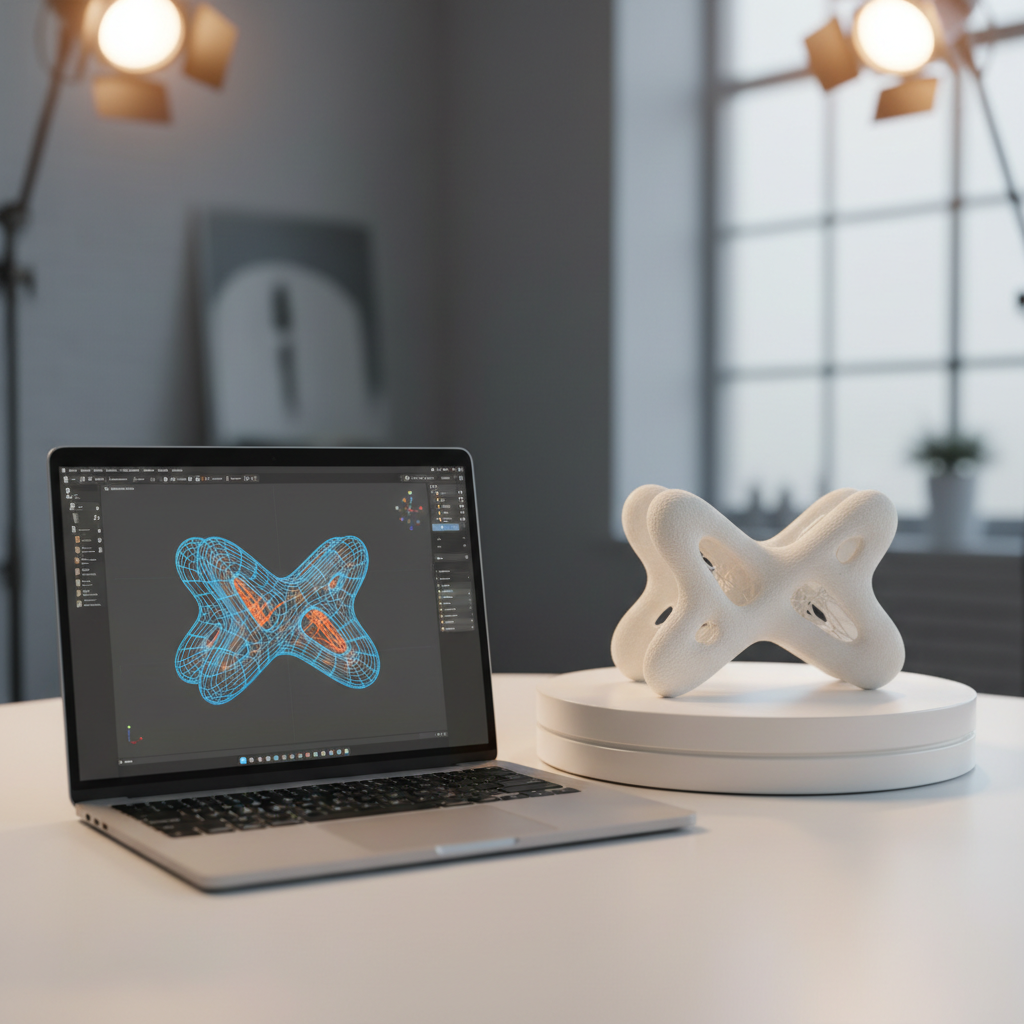
Operational simulations in defense have always been crucial for preparedness and strategy development. With digital twins, these simulations become more accurate and comprehensive. They offer a 360-degree view of operations, allowing military strategists to test different variables and outcomes without the risk of real-world consequences.
Digital twins facilitate the testing of new strategies and technologies in a controlled environment. By simulating scenarios such as equipment failure, resource allocation, and tactical maneuvers, defense forces can devise more effective strategies and ensure mission success.

Data-Driven Decision Making
One of the most significant advantages of digital twins in defense is their ability to provide data-driven insights. They assimilate data from various sources, including sensors, historical records, and real-time feeds, to create a cohesive operational picture. This ensures that decisions are based on the most current and accurate data available.
With these insights, defense organizations can improve resource management, enhance predictive maintenance, and optimize supply chains. This data-centric approach minimizes risks and maximizes efficiency in critical operations.
Real-World Applications
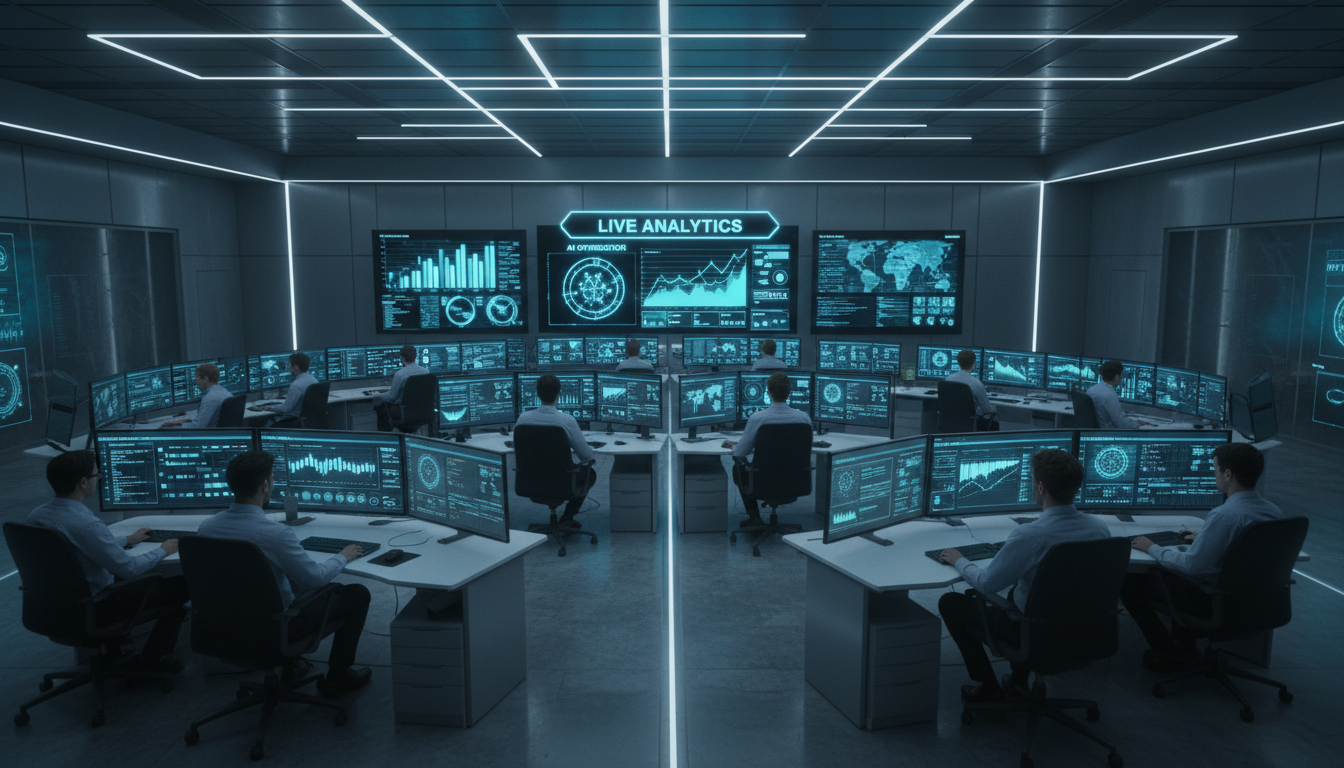
The application of digital twins in defense is vast. For instance, they are used in the design and testing of military vehicles, allowing engineers to identify potential flaws and make necessary adjustments before physical prototypes are created. This not only saves time but also reduces costs significantly.
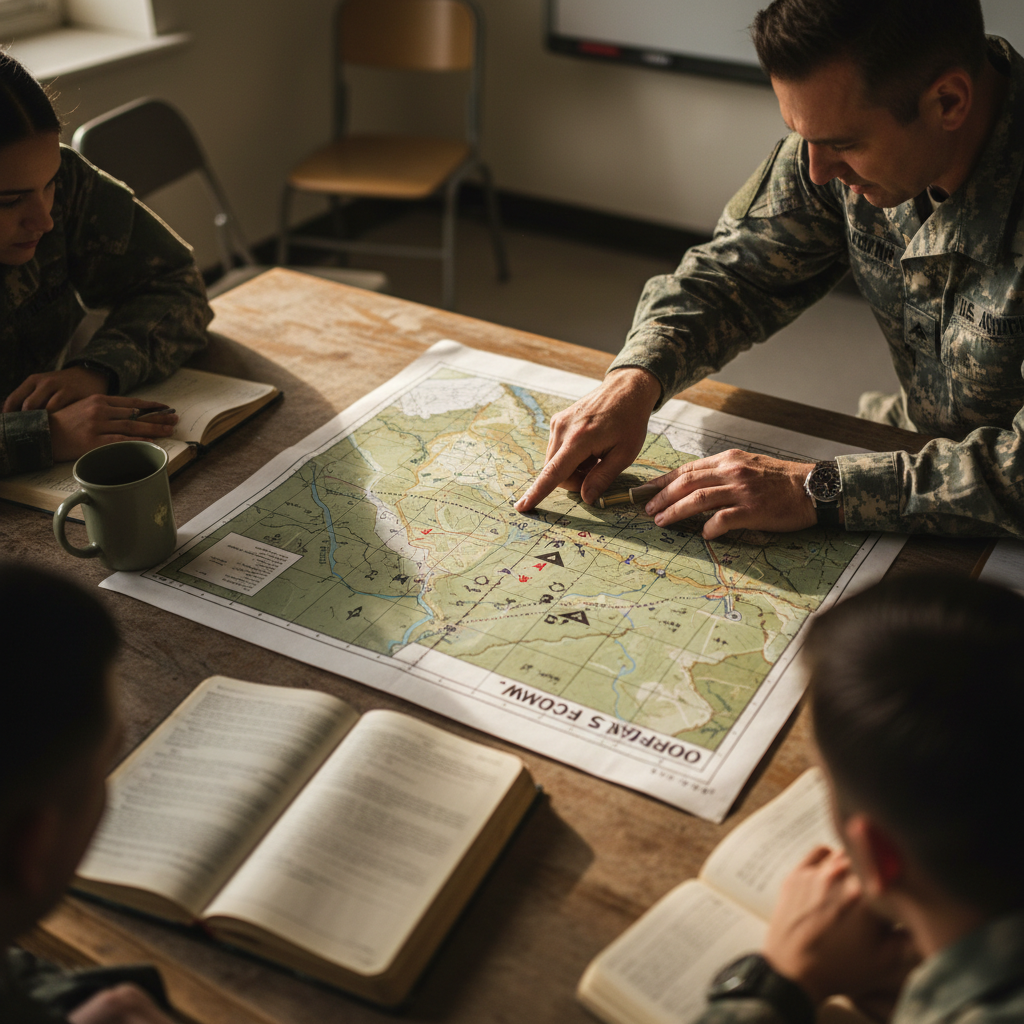
Additionally, digital twins play a crucial role in training simulations. By creating realistic training environments, they prepare personnel for a variety of scenarios, enhancing readiness and effectiveness in actual missions.
Challenges and Considerations
While digital twins offer numerous benefits, their implementation in defense is not without challenges. Data security is a primary concern, as sensitive information must be protected from potential cyber threats. Ensuring the accuracy and reliability of digital twins is also critical, as flawed simulations can lead to misguided strategies.
Moreover, integrating digital twins with existing systems can be complex and requires significant investment in technology and expertise. Despite these challenges, the potential rewards make digital twins an invaluable asset in modern defense operations.
The Future of Digital Twins in Defense
As technology continues to advance, the role of digital twins in defense will only grow. Future developments may include more sophisticated AI-driven simulations, enhanced real-time data integration, and broader applications across different defense domains.
Ultimately, digital twins represent a paradigm shift in how defense operations are planned, executed, and optimized. By embracing this technology, defense organizations can ensure they remain at the forefront of innovation and operational excellence.