How Predictive Maintenance is Revolutionizing Military Asset Availability


Understanding Predictive Maintenance
Predictive maintenance is transforming how military forces manage their asset availability. By leveraging advanced technologies such as the Internet of Things (IoT), machine learning, and big data analytics, predictive maintenance enables the military to anticipate potential equipment failures before they occur. This proactive approach significantly improves operational efficiency and readiness, allowing military personnel to focus on their core mission.
In the past, maintenance strategies were primarily reactive, addressing issues only after they arose. However, predictive maintenance shifts this paradigm by using data-driven insights to forecast when an asset might fail, thereby reducing downtime and maintenance costs.
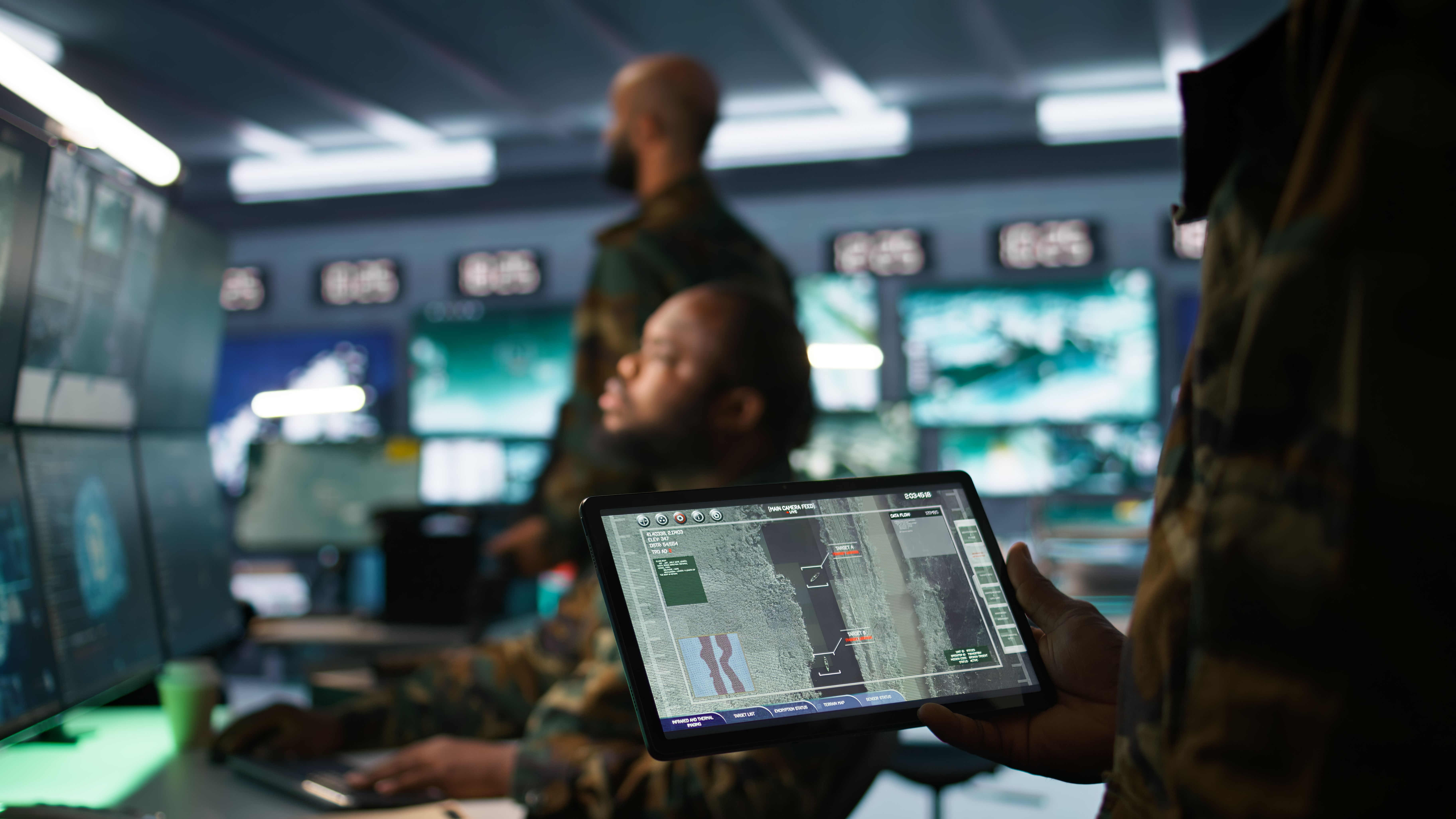
The Role of IoT and Big Data
The integration of IoT devices plays a crucial role in the success of predictive maintenance in the military sector. These devices collect real-time data from various equipment, which is then analyzed to predict potential failures. The data includes information on temperature, vibration, pressure, and more, providing a comprehensive view of the asset's health.
Big data analytics further enhances this process by processing vast amounts of data to identify patterns and trends. By understanding these patterns, military engineers can predict when an asset might need maintenance, allowing for timely interventions and reducing the risk of unexpected breakdowns.

Benefits of Predictive Maintenance
Implementing predictive maintenance offers several benefits to military operations. One of the most significant advantages is increased asset availability. By predicting failures before they occur, military units can ensure that their equipment is ready for deployment at any time.
Additionally, predictive maintenance can lead to significant cost savings. By addressing potential issues early, the military can avoid the high costs associated with major repairs or replacements. This approach also extends the lifespan of assets, providing better returns on investment.

Enhancing Operational Readiness
Operational readiness is critical in military operations, and predictive maintenance plays a vital role in achieving it. By ensuring that equipment is always in optimal condition, military forces can respond more swiftly to emerging threats and challenges. This readiness ensures that missions are carried out efficiently and effectively.
Furthermore, predictive maintenance contributes to the safety of personnel by minimizing the risk of equipment failure during critical operations. This focus on safety not only protects lives but also boosts the morale and confidence of military personnel.

Challenges and Future Prospects
Despite its numerous benefits, implementing predictive maintenance in the military sector comes with challenges. These include the need for significant investments in technology and training, as well as the integration of new systems with existing infrastructure.
However, the future prospects of predictive maintenance in the military are promising. As technology continues to evolve, the accuracy and reliability of predictive models will improve, making this approach even more effective. The ongoing development of AI and machine learning technologies will further enhance predictive capabilities, paving the way for a more efficient and resilient military force.