
How Predictive Maintenance Reduces Military Downtime: A Comprehensive Guide


Understanding Predictive Maintenance
Predictive maintenance is a strategic approach that leverages data analytics to predict when equipment failure might occur. By assessing the condition of machinery in real time, it enables proactive maintenance scheduling, ensuring military equipment is serviced before a breakdown happens. This method stands in sharp contrast to reactive maintenance, which only addresses issues post-failure.
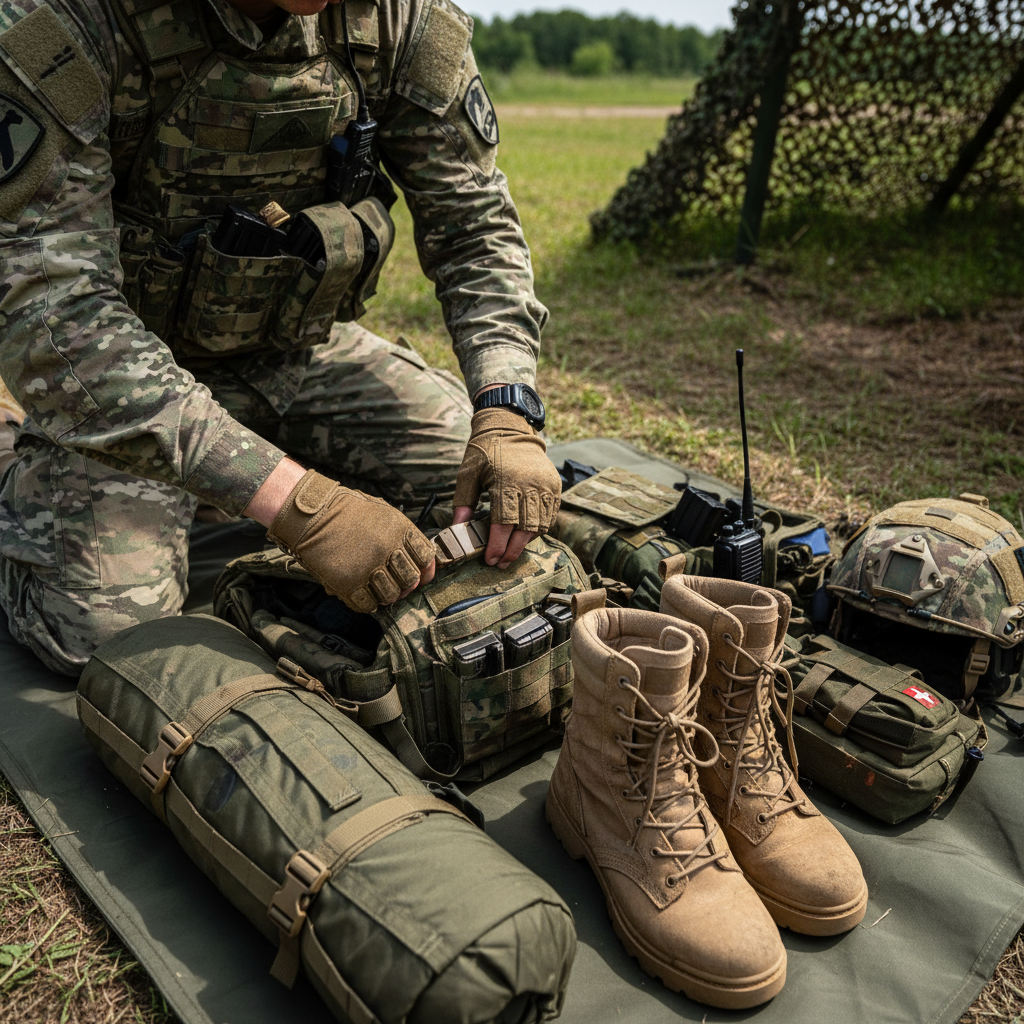
In the military context, where downtime can have significant implications, predictive maintenance offers a solution that enhances operational readiness. By using sensors and IoT technology, maintenance teams can continuously monitor equipment performance, allowing for timely interventions.
The Importance of Reducing Downtime
Downtime in military operations can lead to mission delays, increased operational costs, and even compromised safety. Ensuring equipment is available and fully functional is critical for maintaining a strategic advantage. Predictive maintenance minimizes unexpected failures and extends the lifespan of machinery.
Through the implementation of predictive maintenance, military organizations can optimize their maintenance schedules, reduce labor costs, and allocate resources more efficiently. This leads to increased reliability and availability of critical equipment.

How Predictive Maintenance Works
Predictive maintenance relies on data collected from various sensors attached to military assets. These sensors monitor factors such as temperature, vibration, and pressure, providing real-time insights into equipment health. Advanced analytics and machine learning models then analyze this data to forecast potential failures.
This approach allows for maintenance activities to be planned in advance, reducing the likelihood of unexpected breakdowns. The data-driven nature of predictive maintenance also helps in identifying recurring issues, allowing for more strategic asset management.
Key Benefits for Military Operations
The primary benefit of predictive maintenance is increased uptime. By anticipating failures, military operations can proceed with minimal interruptions. This not only saves time but also significantly reduces costs associated with emergency repairs and part replacements.
Additionally, predictive maintenance enhances safety by ensuring that equipment operates within optimal conditions. This is crucial in military settings where equipment failure can pose substantial risks to personnel and missions.

Implementing Predictive Maintenance in the Military
Implementing a predictive maintenance program requires an initial investment in technology and training. Military organizations must equip their machinery with sensors and ensure that maintenance teams are trained to interpret the data effectively.
Moreover, collaboration with technology providers can facilitate a smoother transition, as they offer expertise in data analytics and system integration. Over time, the investment in predictive maintenance is recouped through reduced downtime and maintenance costs.
Conclusion
Predictive maintenance represents a transformative approach for military operations, emphasizing the importance of proactive asset management. By reducing downtime and enhancing equipment reliability, military forces can maintain their operational edge.
As technology continues to advance, the potential for predictive maintenance will only grow, providing even greater opportunities for efficiency and safety in military contexts.