
Maximizing Military Efficiency: The Role of Secure Decision-Making Automation Systems


Understanding Military Efficiency
In the modern military landscape, efficiency is paramount. As global challenges evolve, the ability to make swift and accurate decisions can significantly impact outcomes. Military operations rely on a complex web of data, logistics, and strategic planning. To enhance these capabilities, secure decision-making automation systems are increasingly being utilized.
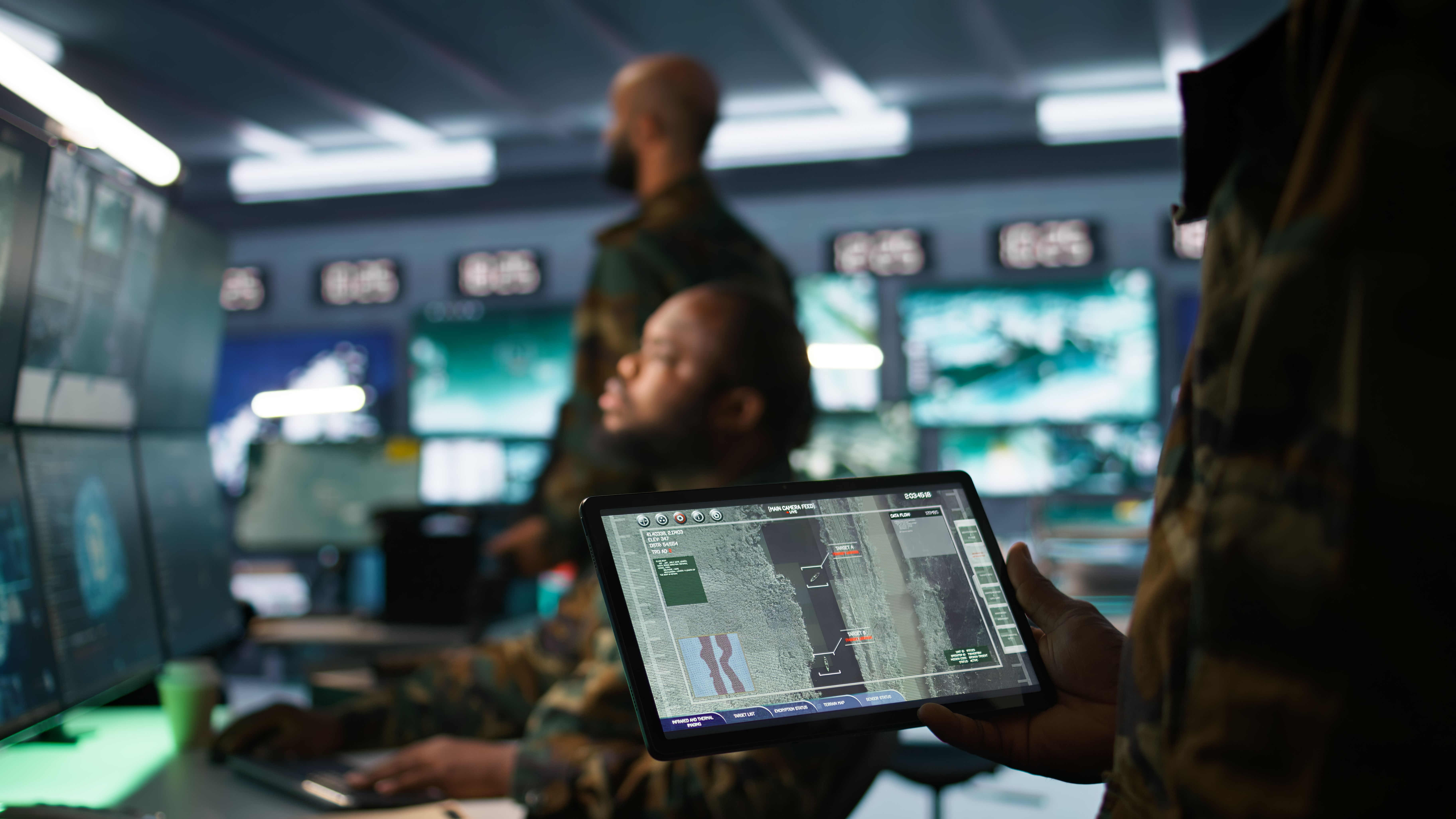
These systems are designed to streamline processes and reduce the cognitive load on personnel. By automating routine tasks and providing actionable insights, they allow military leaders to focus on critical decision-making. This not only improves response times but also enhances overall mission success.
The Importance of Security
Security is a critical component of any military operation. Decision-making systems must be secure to prevent unauthorized access or manipulation. Breaches can lead to compromised missions and potentially catastrophic consequences. Thus, safeguarding these systems is of utmost importance.
Advanced encryption and authentication protocols are employed to ensure data integrity. Regular audits and updates further bolster these defenses, ensuring that military operations remain secure in a rapidly changing digital landscape.

Enhancing Decision-Making with Automation
Automation in decision-making is not about replacing human judgment but rather augmenting it. By analyzing vast amounts of data, these systems provide valuable insights that might otherwise be overlooked. This capability is essential in high-pressure environments where time is of the essence.
- Real-time data analysis
- Predictive modeling
- Scenario simulation
These features enable military leaders to anticipate potential challenges and devise strategies proactively, thereby reducing risks and maximizing operational success.
Implementing Automation Systems
The implementation of secure decision-making automation systems requires careful planning and execution. It involves integrating these technologies into existing infrastructures while ensuring minimal disruption. Training personnel to effectively utilize these systems is also crucial.

Moreover, collaboration with technology partners can facilitate smoother transitions and provide ongoing support. This partnership ensures that military forces remain at the forefront of technological advancements.
Future Prospects
As technology continues to evolve, the potential for these systems will only expand. Emerging technologies such as artificial intelligence and machine learning are set to further revolutionize military operations. These advancements promise even greater efficiencies and enhanced decision-making capabilities.
In conclusion, secure decision-making automation systems are integral to maximizing military efficiency. By enhancing data analysis, streamlining processes, and ensuring robust security, these systems empower military leaders to make informed decisions swiftly and effectively.