
Optimized Logistics: Achieving Efficiency in Military Operations


Introduction to Optimized Logistics
In the realm of military operations, logistics is the backbone that ensures the success of missions. The ability to efficiently manage resources, personnel, and equipment can mean the difference between triumph and failure. Optimized logistics involves streamlining processes to enhance operational effectiveness and reduce unnecessary expenditures.
As military operations become increasingly complex, the need for advanced logistics solutions has never been more critical. By leveraging technology and innovative strategies, military organizations can achieve unprecedented levels of efficiency and effectiveness in their logistics operations.

Leveraging Technology for Logistics Efficiency
Technology plays a pivotal role in optimizing military logistics. From advanced tracking systems to automated inventory management, technological advancements help streamline operations and improve accuracy. Implementing these solutions can lead to more timely deliveries and reduced resource wastage.
Key technologies that are making a significant impact include the use of drones for delivery and surveillance, AI-driven analytics for predictive maintenance, and blockchain for secure and transparent supply chain management. These innovations are reshaping how logistics are conducted in military settings.

Data-Driven Decision Making
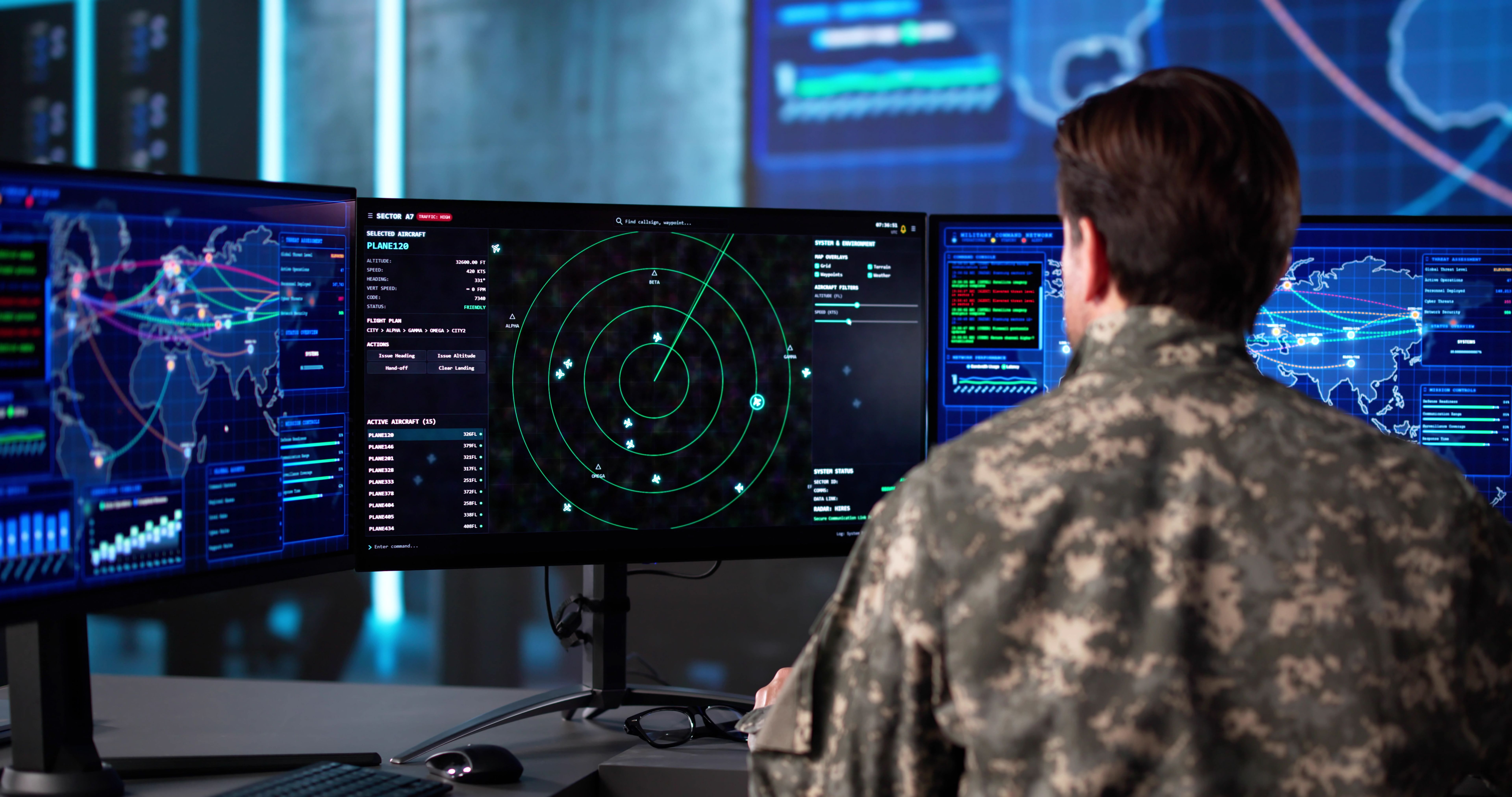
Data analytics is at the core of optimized logistics. By analyzing vast amounts of data, military logistics planners can make informed decisions that enhance efficiency. This includes optimizing supply routes, predicting equipment failures, and ensuring that resources are allocated where they are most needed.
Implementing a data-driven approach not only improves decision-making but also allows for real-time adjustments in response to changing conditions on the ground. This agility is crucial for maintaining operational readiness and effectiveness.
Training and Human Resources
While technology and data are crucial, skilled personnel remain an essential component of military logistics. Training programs focused on logistics efficiency are vital for ensuring that military personnel are equipped with the knowledge and skills needed to operate advanced systems and manage complex supply chains.
Investing in human resources through continuous training and development helps organizations stay ahead of the curve. It also fosters a culture of innovation and adaptability, which is essential in the ever-evolving landscape of military operations.
Conclusion: The Future of Military Logistics
Optimized logistics is not just a goal but a necessity for modern military operations. By embracing technology, leveraging data, and investing in personnel, military organizations can achieve greater efficiency and effectiveness in their logistics operations.
As we look to the future, the continued integration of cutting-edge technologies and innovative strategies will be key to maintaining a competitive edge. The journey towards optimized logistics is ongoing, but the benefits are clear: enhanced operational capabilities and the ability to adapt swiftly to new challenges.