
Optimized Logistics: Cutting Costs and Improving Efficiency in Defense


Understanding the Importance of Optimized Logistics in Defense
In the realm of defense, logistics plays a critical role in ensuring that military operations run smoothly. The ability to supply troops with the necessary equipment, food, and medical supplies can mean the difference between success and failure. Optimized logistics in defense not only enhances operational effectiveness but also significantly cuts costs, ensuring resources are used efficiently.
Logistics optimization involves the strategic coordination of resources and processes. By employing advanced technologies and methodologies, defense organizations can streamline their supply chains, reduce waste, and improve response times during critical missions.

Technological Advancements Driving Efficiency
The integration of cutting-edge technology has revolutionized logistics within the defense sector. Automation and artificial intelligence (AI) are at the forefront, enabling real-time data analysis and decision-making. These technologies provide a comprehensive view of supply chain operations, identifying bottlenecks and suggesting improvements to enhance efficiency.
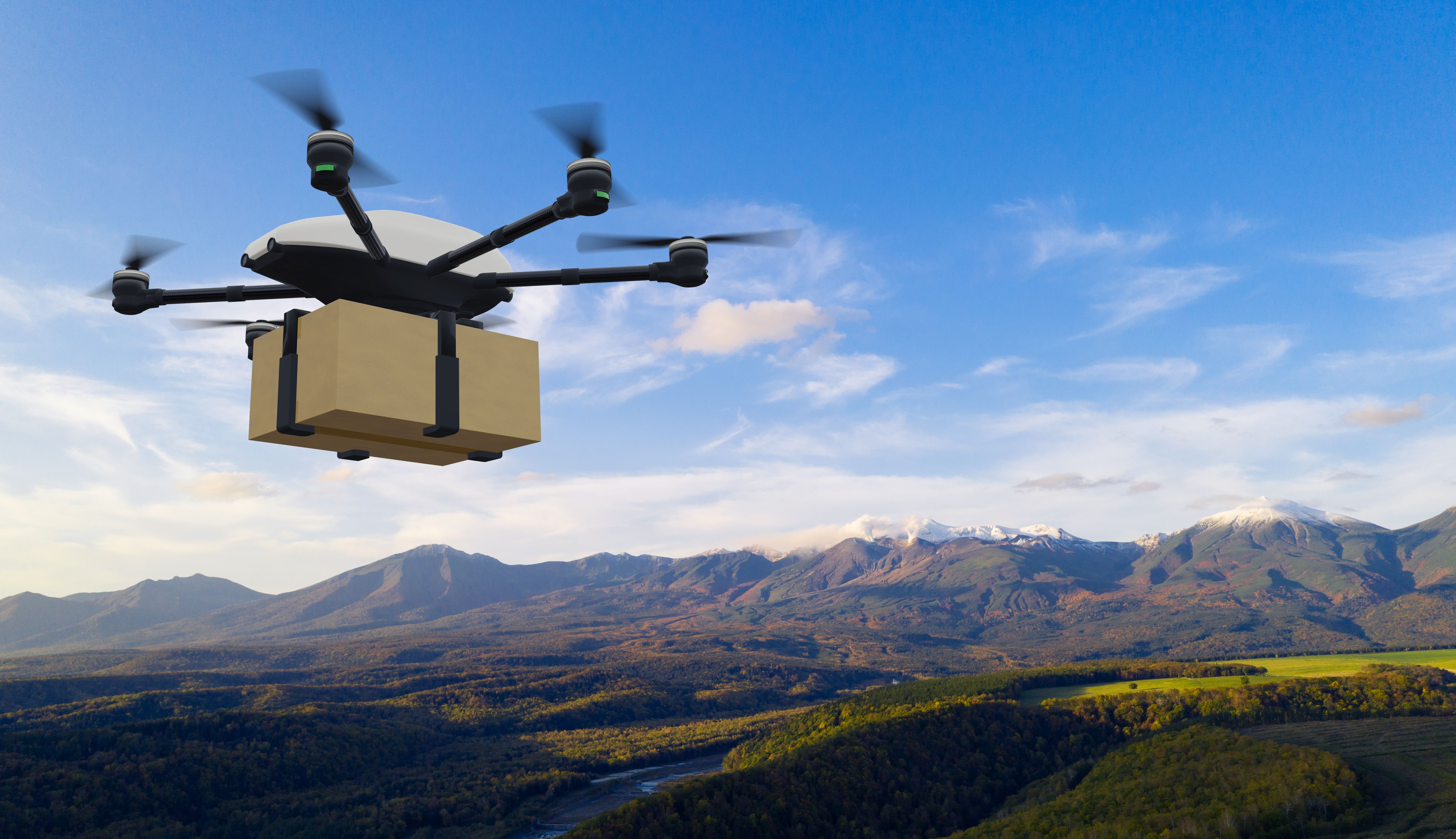
Moreover, the use of drones for delivery and reconnaissance has transformed traditional logistics models. Drones can quickly transport supplies to remote or dangerous locations, minimizing risk to personnel and accelerating mission timelines.
Cost Reduction Strategies
One of the primary goals of logistics optimization is to reduce costs without compromising quality. This can be achieved through several strategies:
- Inventory Management: Implementing just-in-time inventory systems to reduce storage costs and minimize waste.
- Supplier Relationships: Building strong relationships with suppliers to negotiate better terms and ensure reliable supply chains.
- Energy Efficiency: Utilizing energy-efficient transportation and storage solutions to cut down on fuel and energy expenses.
By focusing on these areas, defense organizations can allocate more resources to critical operations, enhancing their overall effectiveness.
Challenges and Solutions in Defense Logistics
Despite the benefits, optimizing logistics in defense is not without challenges. Complex and dynamic environments require adaptable strategies. Ensuring cybersecurity in logistics operations is crucial to protect sensitive data and maintain the integrity of supply chains.
To address these challenges, defense organizations are investing in cybersecurity measures and training personnel in digital literacy. Additionally, flexible logistics frameworks are being developed to adapt to ever-changing operational demands.

The Future of Defense Logistics
Looking ahead, the future of defense logistics is promising. The continued integration of AI, blockchain technology, and advanced analytics will further enhance transparency and efficiency. These technologies will provide unprecedented levels of insight into logistics operations, allowing for proactive decision-making and predictive maintenance.
As defense organizations continue to evolve, the focus on optimized logistics will remain a top priority. By embracing innovation and strategic planning, they can ensure that their operations are not only cost-effective but also resilient and responsive to global challenges.