
Optimized Logistics for Defense Agencies: AI Solutions Explained


Understanding Optimized Logistics in Defense
In the rapidly evolving landscape of defense, logistics play a critical role in ensuring that operations run smoothly and efficiently. With the advent of new technologies, defense agencies are increasingly turning to **AI solutions** to enhance their logistical capabilities. These advancements are not just about moving goods and personnel but also about optimizing every facet of logistics from planning to execution.
The Role of AI in Defense Logistics
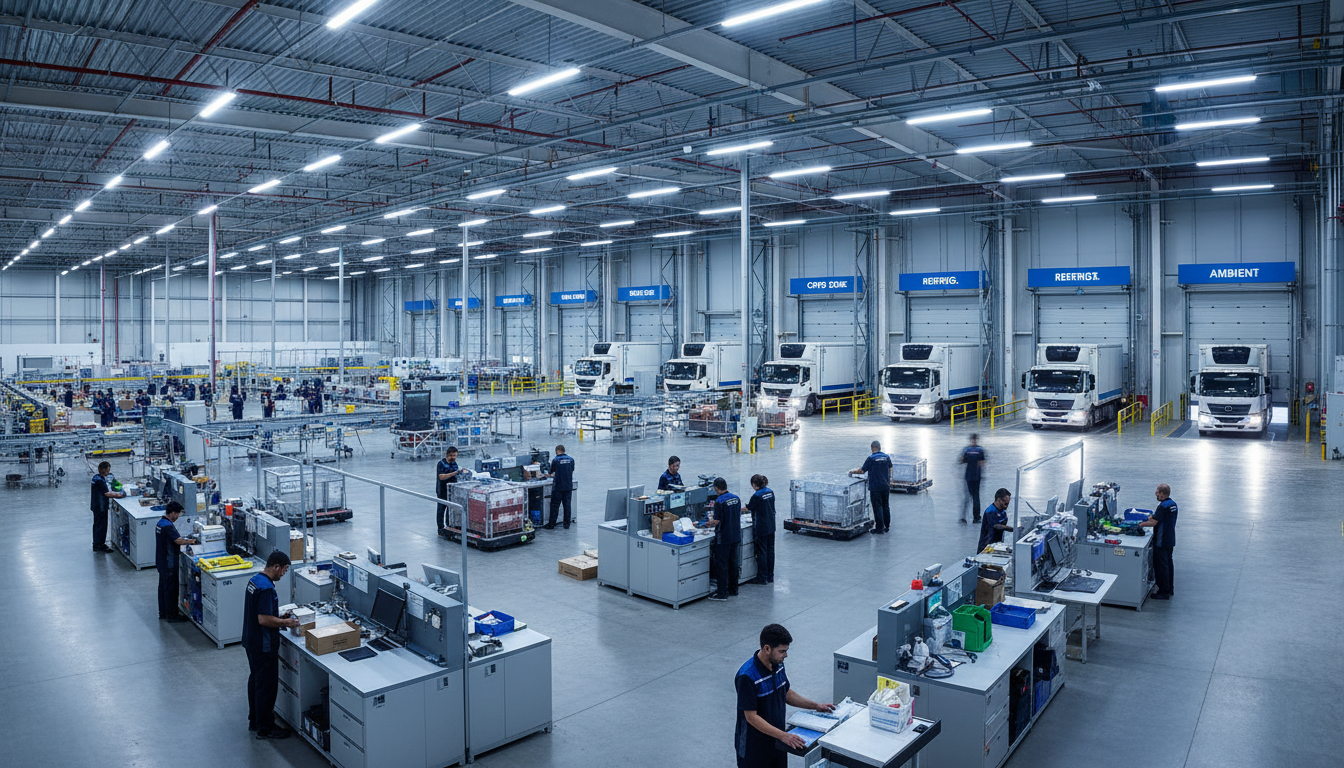
AI technologies have the potential to revolutionize defense logistics by providing predictive insights and automating complex processes. For defense agencies, this means being able to forecast demand more accurately, manage supply chains more efficiently, and reduce operational costs significantly. AI-driven solutions can analyze vast amounts of data to identify patterns and trends that would be impossible for humans to detect.
Furthermore, AI can enhance decision-making processes by providing real-time analytics and recommendations, allowing defense agencies to respond swiftly to changing conditions on the ground. This level of responsiveness is crucial in military operations where timing and precision are of the essence.
Key Benefits of AI Solutions
Implementing AI solutions in defense logistics offers several key benefits:
- Enhanced Efficiency: Automating routine tasks allows for faster processing and reduced human error.
- Cost Reduction: Optimized resource allocation minimizes waste and lowers operational expenses.
- Improved Accuracy: AI-driven analytics provide precise demand forecasting and inventory management.
Case Studies: AI in Action
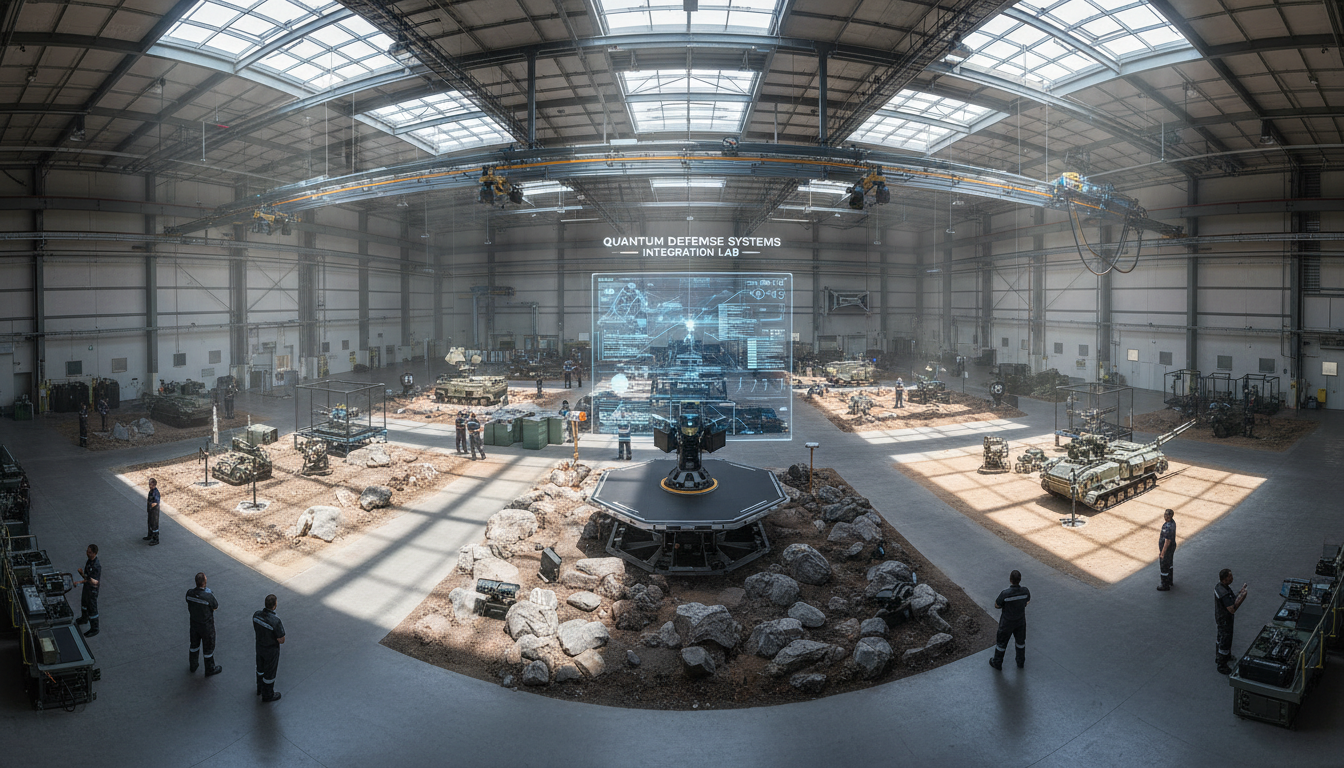
Several defense agencies have already begun integrating AI into their logistics operations with impressive results. For instance, some agencies utilize AI-powered platforms to streamline their supply chain management, resulting in significant time and cost savings. These platforms use machine learning algorithms to predict supply needs and optimize delivery routes, ensuring that resources are delivered exactly where they are needed.
Another noteworthy example is the use of AI in managing maintenance schedules for military equipment. Predictive analytics can foresee equipment failures before they occur, allowing for proactive maintenance and reducing downtime.
Challenges and Considerations
While the benefits of AI in defense logistics are clear, there are challenges that agencies must consider. Data security and integrity are paramount, as any breach could have serious implications. Additionally, there is a need for skilled personnel who can manage and maintain AI systems, highlighting the importance of ongoing training and education.
Future Trends in Defense Logistics
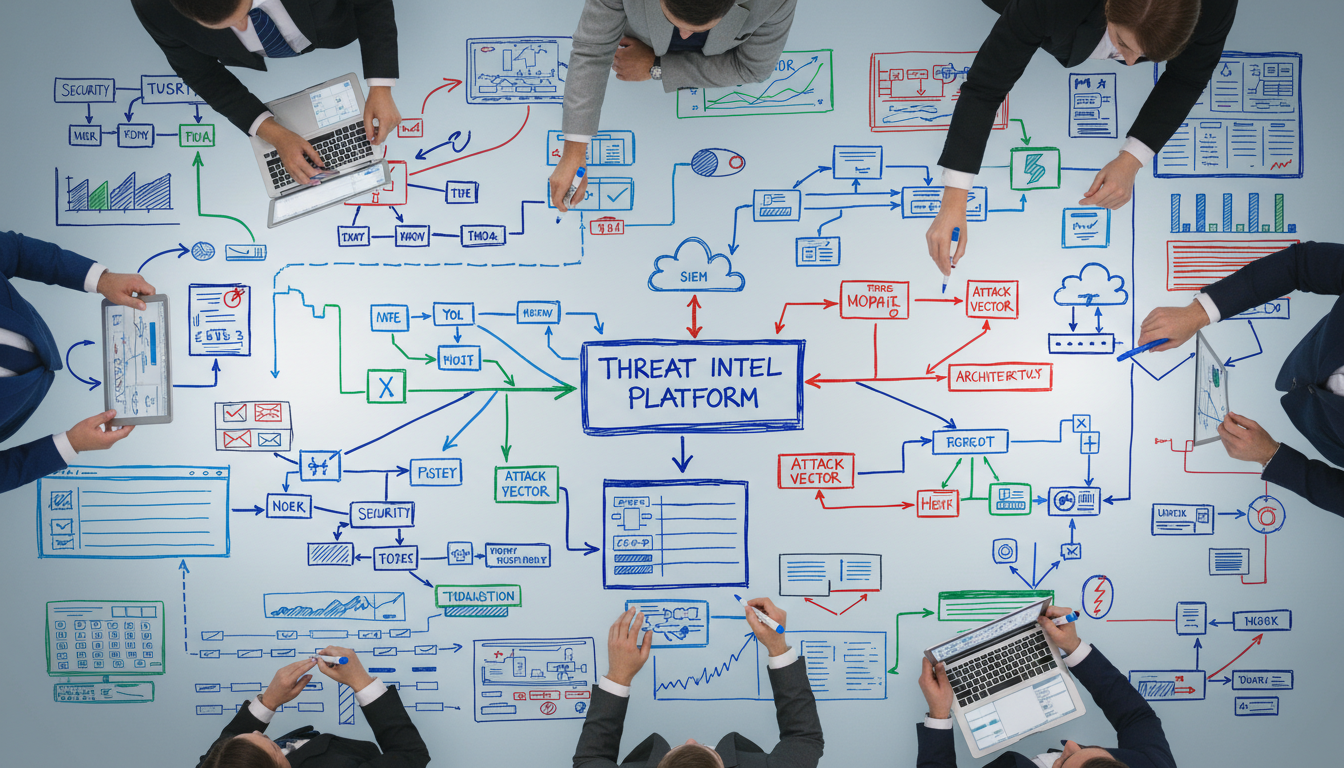
Looking ahead, the use of AI in defense logistics is expected to grow exponentially. Emerging technologies such as autonomous vehicles and drones will further augment logistics capabilities, providing even greater efficiency and flexibility. The integration of blockchain technology could also enhance transparency and security in the supply chain.
As these technologies evolve, defense agencies will need to remain adaptable, continuously assessing and updating their logistical strategies to leverage the full potential of AI.
Conclusion
Optimized logistics are crucial for the success of defense operations, and AI solutions offer a pathway to achieving unparalleled efficiency and effectiveness. By embracing these technologies, defense agencies can ensure they are prepared to meet the challenges of the modern world, maintaining a strategic advantage in an ever-changing landscape.