
Optimizing Logistics with AI: A Guide for Defense Agencies


Introduction to AI in Defense Logistics
The integration of Artificial Intelligence (AI) into logistics has revolutionized numerous industries, and defense agencies are no exception. AI offers numerous benefits, including enhanced efficiency, reduced costs, and improved decision-making capabilities. In this guide, we will explore how AI can optimize logistics for defense agencies, ensuring that operations are not only smoother but also more strategic.
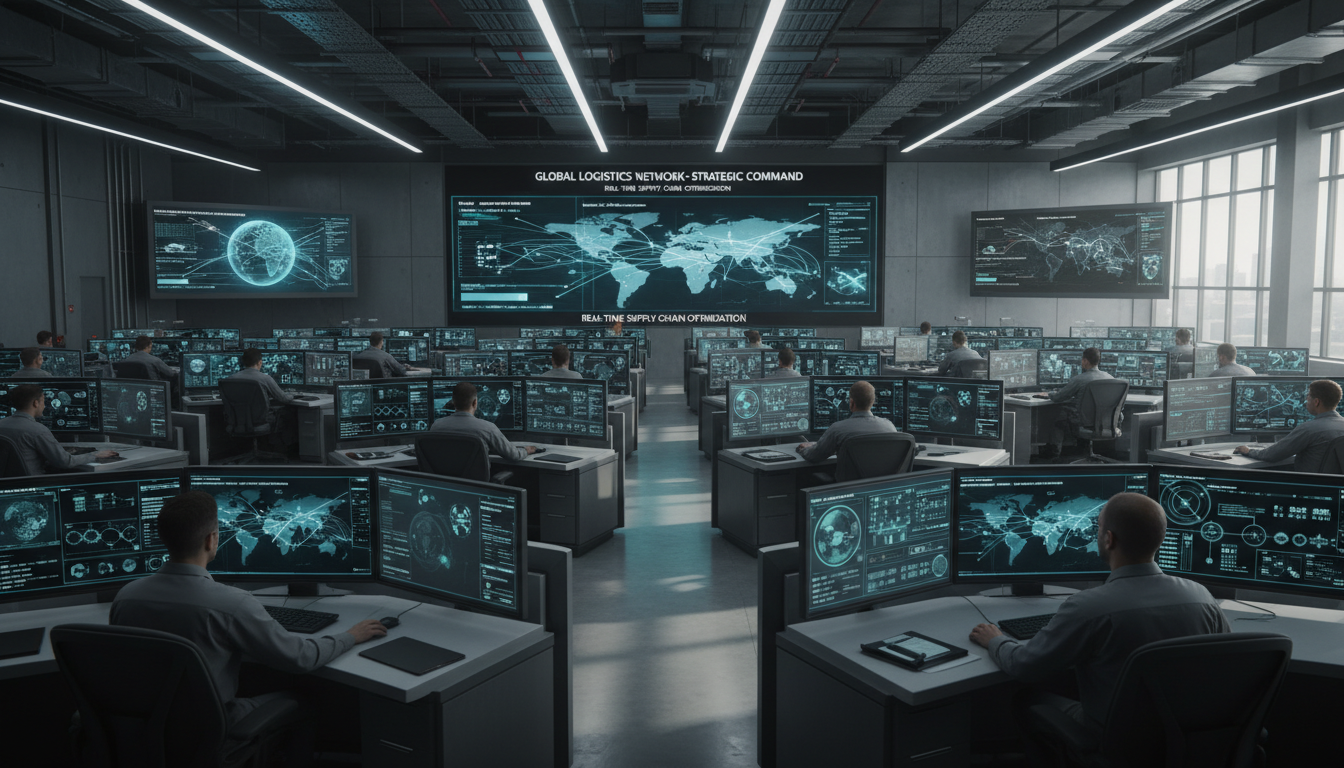
The Role of AI in Inventory Management
Effective inventory management is crucial for defense agencies. AI systems can predict demand patterns, streamline inventory levels, and reduce waste. By utilizing machine learning algorithms, agencies can forecast the need for supplies and equipment, ensuring that resources are available when required without overstocking.
Furthermore, AI can automate routine tasks such as stocktaking and replenishment, freeing up personnel to focus on more strategic activities. This automation helps in maintaining an optimal balance between supply and demand, enhancing overall logistics efficiency.
Enhancing Transportation and Distribution
AI technologies can significantly improve transportation and distribution processes. By analyzing historical data and real-time information, AI can optimize routes, reducing transit times and fuel consumption. This ensures that supplies reach their destinations promptly and cost-effectively.
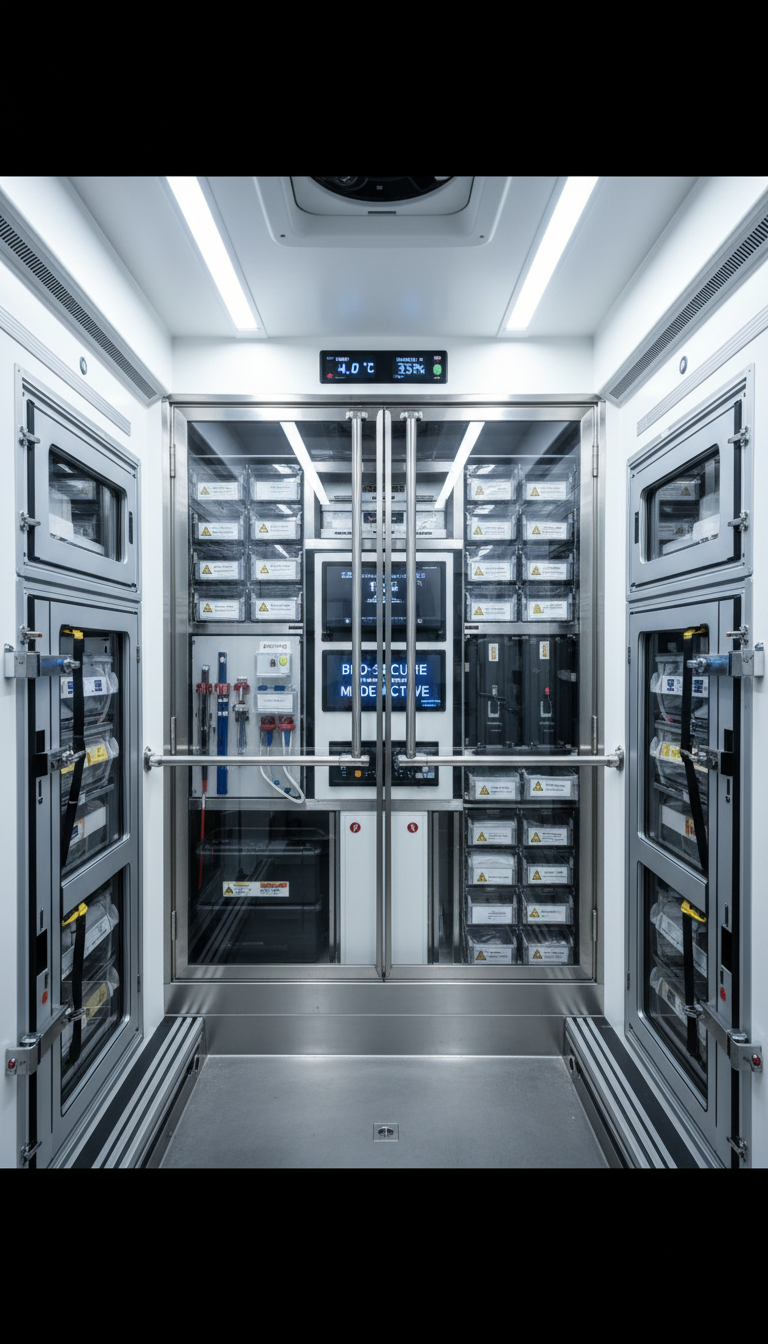
Moreover, AI can predict potential disruptions such as adverse weather conditions or geopolitical tensions, allowing agencies to adjust their logistics plans proactively. This predictive capability is vital for maintaining operational readiness and responsiveness.
Improving Fleet Management
AI can provide valuable insights into fleet management, enhancing the maintenance and deployment of vehicles. Predictive maintenance powered by AI can anticipate mechanical failures before they occur, reducing downtime and extending the life of the fleet.
Additionally, AI can assist in optimizing vehicle allocation, ensuring that the right resources are deployed for specific missions. This strategic approach enhances mission success rates while minimizing operational costs.

Data Security and AI Implementation
While AI offers numerous benefits, it also introduces new challenges, particularly concerning data security. Defense agencies must ensure that sensitive information is protected against cyber threats. Implementing robust cybersecurity measures is essential to safeguard AI systems and the data they process.
Moreover, agencies should establish clear protocols for AI usage, ensuring that ethical standards are maintained and that AI systems are used responsibly. Ongoing training and evaluation can help in maximizing the benefits of AI while mitigating potential risks.
Conclusion: The Future of AI in Defense Logistics
As AI technology continues to evolve, its role in defense logistics will undoubtedly expand. By embracing AI, defense agencies can achieve greater efficiency, adaptability, and strategic advantage. The key lies in integrating AI thoughtfully, ensuring that it complements human expertise and enhances overall operational effectiveness.
In conclusion, the optimization of logistics through AI presents a transformative opportunity for defense agencies. By leveraging AI's capabilities, these agencies can enhance their logistical operations, ensuring readiness and resilience in an ever-changing global landscape.