
Proactive Maintenance Strategies: Keeping Military Assets Ready


Understanding Proactive Maintenance
In the military sector, maintaining operational readiness is crucial. Proactive maintenance strategies play a vital role in ensuring that military assets are always ready for deployment. Unlike reactive maintenance, which focuses on repairs after failures occur, proactive maintenance aims to prevent these failures from happening in the first place.
Proactive maintenance involves regular inspections and servicing, which help in identifying potential issues before they escalate. This approach not only enhances the longevity of equipment but also improves safety and reliability.
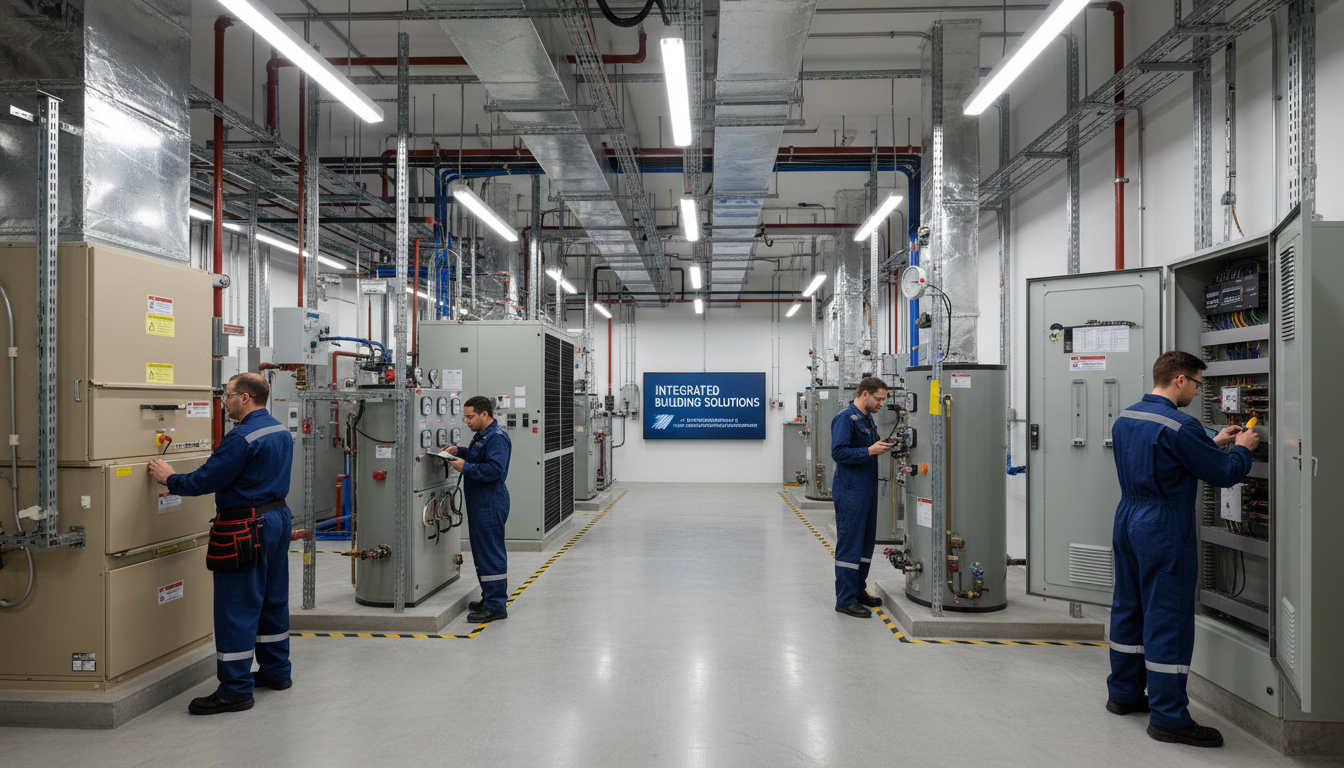
Key Components of Proactive Maintenance
There are several key components that form the backbone of proactive maintenance strategies. These include:
- Regular Inspections: Scheduled inspections help in identifying wear and tear early, allowing for timely interventions.
- Predictive Maintenance: Using data analytics and IoT technology, predictive maintenance anticipates equipment failures before they occur.
- Condition Monitoring: Monitoring the condition of machinery and vehicles ensures they operate within optimal parameters.
Benefits of Proactive Maintenance
Implementing proactive maintenance strategies offers numerous benefits. Firstly, it enhances equipment reliability, reducing the likelihood of unexpected breakdowns. This reliability ensures that military operations can proceed without disruptions.
Secondly, proactive maintenance can lead to significant cost savings. By preventing major failures, the need for expensive repairs and replacements is minimized. Additionally, it helps in extending the lifespan of military assets, maximizing the return on investment.
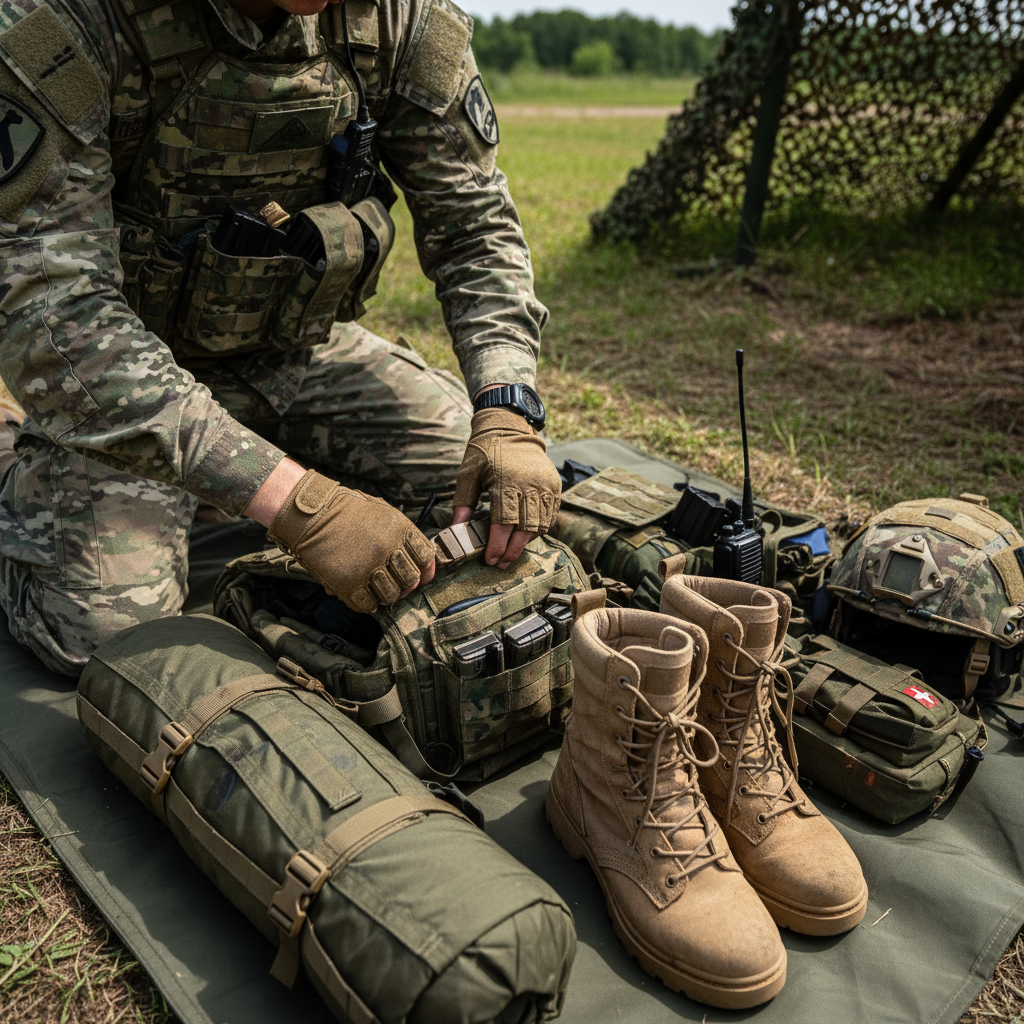
Implementing Proactive Maintenance in Military Operations
Implementing proactive maintenance requires a comprehensive approach. Military organizations need to invest in training personnel to recognize early warning signs of equipment failure. Additionally, leveraging technology such as sensors and data analytics is crucial for effective condition monitoring.
Collaboration between different departments is also essential. Maintenance teams must work closely with operations and logistics to ensure that maintenance schedules do not interfere with mission readiness.
Challenges and Solutions
Despite its benefits, implementing proactive maintenance can be challenging. One major hurdle is the initial investment in technology and training. However, the long-term savings and increased operational efficiency often justify these costs.
Another challenge is the integration of new systems with existing infrastructure. Ensuring compatibility and seamless data flow demands careful planning and execution. Addressing these challenges requires a strategic approach and strong leadership commitment.

The Future of Proactive Maintenance
The future of proactive maintenance in the military sector looks promising. With advancements in AI and machine learning, predictive maintenance will become even more accurate and efficient. These technologies will allow for real-time monitoring and instantaneous decision-making, further enhancing asset readiness.
In conclusion, proactive maintenance strategies are essential for keeping military assets ready and operational. By focusing on prevention rather than reaction, military organizations can ensure the reliability and longevity of their equipment, ultimately supporting mission success.