
Proactive Maintenance Strategies for Critical Infrastructure


Understanding Proactive Maintenance
Proactive maintenance strategies are essential for ensuring the longevity and reliability of critical infrastructure. Unlike reactive maintenance, which involves repairing equipment after failure, proactive strategies aim to prevent these failures from occurring in the first place. By adopting a forward-thinking approach, organizations can significantly reduce downtime and extend the lifespan of their assets.
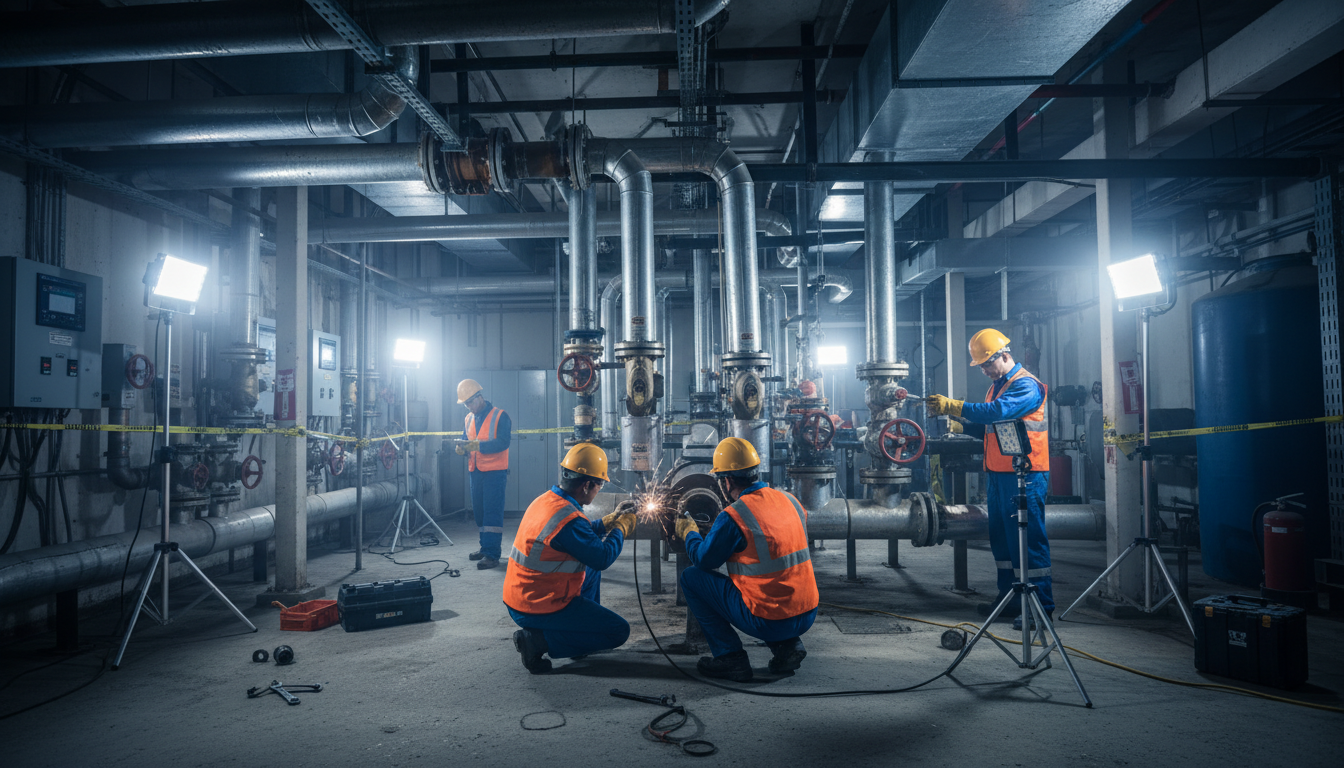
A critical aspect of proactive maintenance is the emphasis on regular inspections and scheduled servicing. These activities allow for the early detection of potential issues, enabling timely interventions before they escalate into costly repairs or catastrophic failures.
The Importance of Data and Technology
In today's digital age, data and technology play a pivotal role in proactive maintenance strategies. The integration of IoT devices and sensors into infrastructure systems provides real-time monitoring capabilities. This technology enables the continuous tracking of asset performance, helping to identify anomalies that may indicate early signs of deterioration.
Moreover, the use of predictive analytics allows organizations to forecast potential failures based on historical data and current conditions. This predictive approach facilitates informed decision-making and resource allocation, ensuring maintenance efforts are both effective and efficient.

Developing a Comprehensive Maintenance Plan
Developing a comprehensive maintenance plan involves several key steps. Firstly, it is crucial to conduct a detailed assessment of all critical assets. This assessment should identify the condition, age, and operational importance of each component within the infrastructure.
- Asset Assessment: Evaluate the current state and importance of each asset.
- Priority Setting: Determine which components require immediate attention.
- Scheduling: Establish a timeline for regular inspections and maintenance tasks.
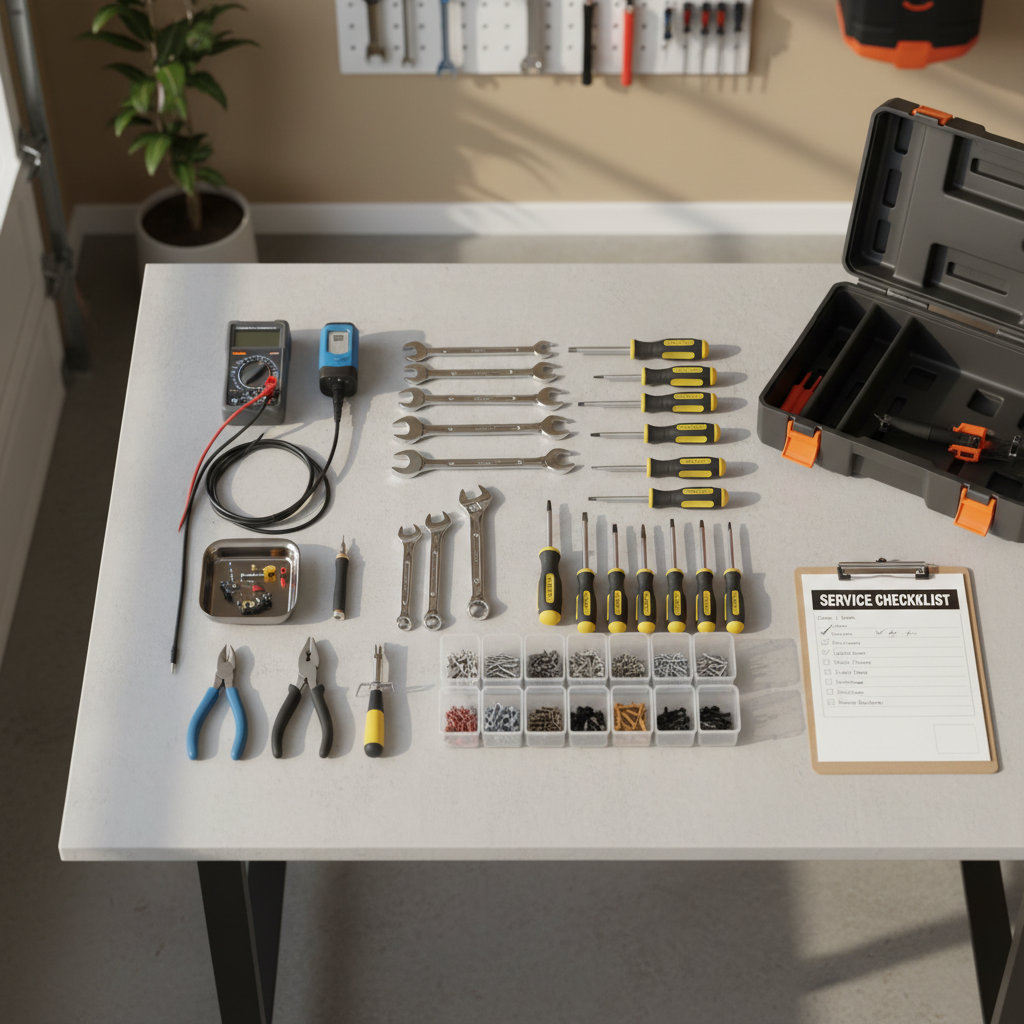
- Resource Allocation: Assign necessary resources, including personnel and tools.
Training and Skill Development
Effective proactive maintenance also relies heavily on the expertise of the maintenance team. Regular training and skill development are essential to ensure that personnel are equipped to carry out advanced diagnostic and repair tasks. Investing in staff education not only enhances their capabilities but also empowers them to utilize the latest technologies and methodologies effectively.
Additionally, fostering a culture of continuous improvement and innovation within the team can lead to the discovery of new maintenance techniques and solutions, further enhancing the reliability of critical infrastructure.

Benefits of Proactive Maintenance
The benefits of implementing proactive maintenance strategies are manifold. Organizations can achieve significant cost savings by reducing emergency repairs and extending the service life of their assets. Furthermore, improved reliability and performance of infrastructure systems enhance safety and customer satisfaction.
By minimizing downtime, proactive maintenance also ensures that critical services remain uninterrupted, which is particularly crucial for sectors such as healthcare, transportation, and energy. The long-term sustainability of infrastructure is thus reinforced, contributing to broader economic stability and growth.

Conclusion
Adopting proactive maintenance strategies is a strategic imperative for any organization responsible for critical infrastructure. By leveraging technology, data, and skilled personnel, these strategies not only prevent failures but also optimize operational efficiency. As industries continue to evolve, staying ahead with proactive maintenance will be key to sustaining infrastructure that supports our daily lives.