
Proactive Maintenance Strategies to Reduce Downtime in Military Operations


Understanding Proactive Maintenance in Military Operations
Proactive maintenance strategies are essential for ensuring the smooth functioning of military operations. These strategies focus on predicting and preventing equipment failures before they occur, reducing downtime, and maintaining operational readiness. In the high-stakes environment of military operations, every minute counts, and proactive maintenance can be a game-changer.
Key Components of Proactive Maintenance
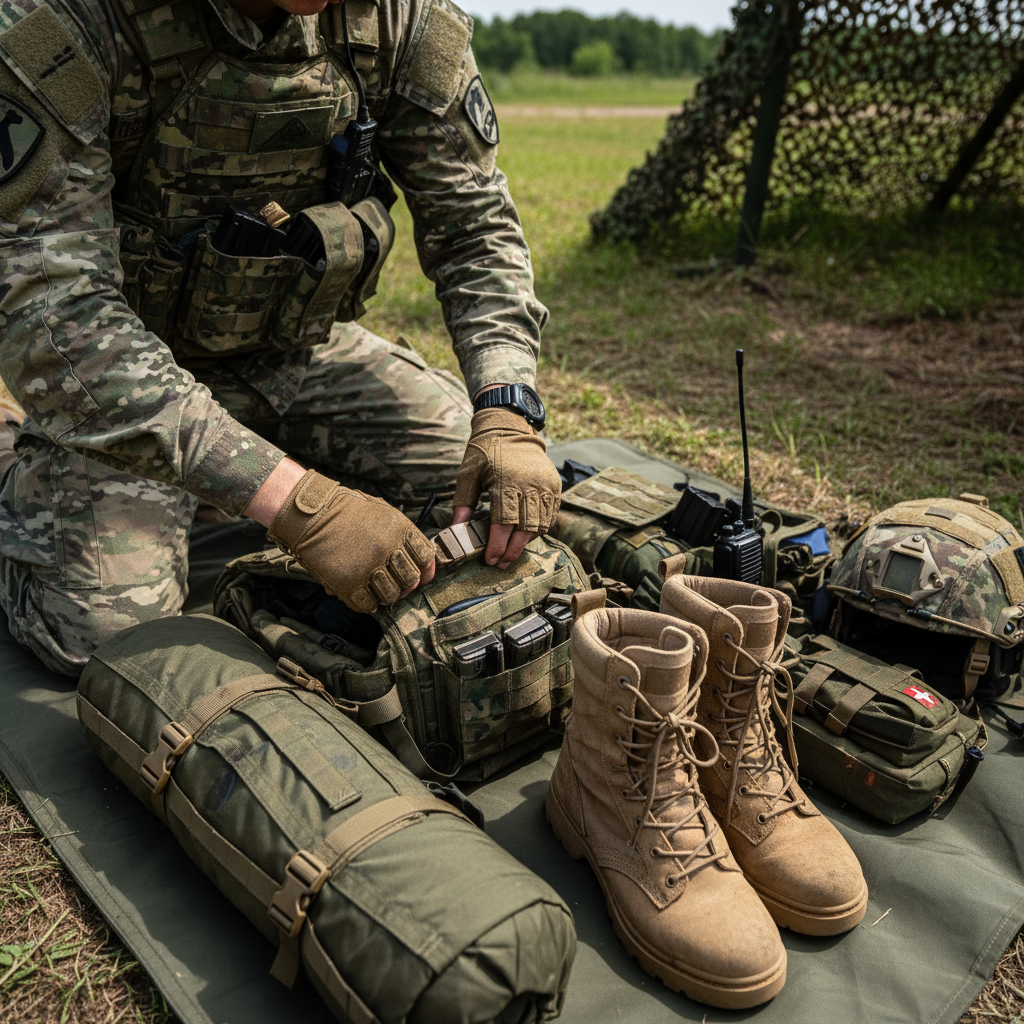
Proactive maintenance involves several key components that contribute to its effectiveness. These include regular inspections, predictive analytics, and timely repairs. By integrating these elements, military operations can significantly reduce unexpected equipment failures and maintain mission-critical systems.
The Role of Predictive Analytics
Predictive analytics plays a crucial role in proactive maintenance by using data to forecast potential equipment failures. By analyzing historical data and monitoring real-time performance, military units can identify patterns and predict when a piece of equipment is likely to fail. This allows for timely interventions and minimizes unexpected disruptions.

Implementing Condition-Based Monitoring
Condition-based monitoring is another vital aspect of proactive maintenance. This technique involves continuously monitoring the condition of equipment and using sensors to detect any anomalies. By identifying early signs of wear and tear, maintenance teams can address issues before they escalate into significant problems.
Benefits of Proactive Maintenance
The benefits of proactive maintenance in military operations are numerous. Not only does it reduce downtime, but it also extends the lifespan of equipment, improves safety, and enhances overall mission effectiveness. By adopting these strategies, military units can ensure that their resources are always ready for deployment.

Challenges in Implementation
Despite its advantages, implementing proactive maintenance strategies can present challenges. These may include the initial cost of setting up monitoring systems, the need for specialized training, and resistance to change within the organization. However, the long-term benefits often outweigh these initial hurdles.
Steps to Develop a Proactive Maintenance Plan
Developing a proactive maintenance plan involves several steps:
- Conducting a thorough assessment of current maintenance practices.
- Integrating predictive analytics and condition-based monitoring.
- Providing necessary training to personnel.
- Regularly reviewing and updating the plan based on operational needs.
Conclusion: A Strategic Advantage
In conclusion, proactive maintenance strategies provide a strategic advantage in military operations by ensuring equipment reliability and operational readiness. By investing in these practices, military organizations can reduce downtime, enhance safety, and maintain a competitive edge in the field.