
Secure Decision Automation: Enhancing Cybersecurity in Defense Systems


Introduction to Secure Decision Automation
In the rapidly evolving landscape of cybersecurity, secure decision automation is emerging as a crucial component for enhancing defense systems. By integrating automated processes with security protocols, organizations can react swiftly to threats, minimizing potential damage.
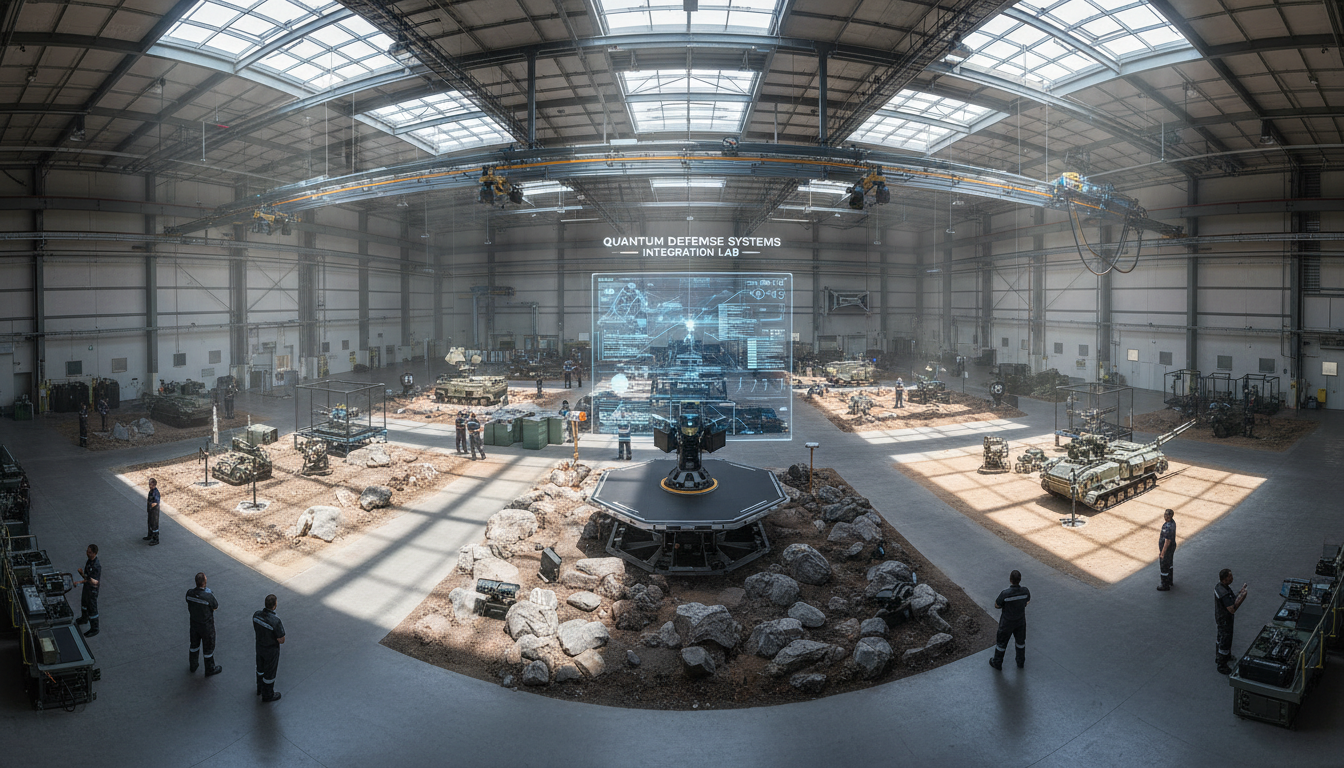
Understanding Decision Automation
Decision automation refers to the use of technology to make determinations based on pre-set criteria. In cybersecurity, this involves employing algorithms to analyze data and trigger appropriate responses without human intervention. This approach ensures consistent and timely actions, which are vital in a defense setting.
The Role of Artificial Intelligence
Artificial Intelligence (AI) plays a pivotal role in secure decision automation. By leveraging machine learning, AI can detect patterns and anomalies that may indicate security threats. This capability allows defense systems to preemptively address issues before they escalate.

Benefits of Secure Decision Automation
Implementing secure decision automation in defense systems offers numerous advantages:
- Speed and Efficiency: Automated systems can process vast amounts of data faster than human operators, enabling quicker response times.
- Consistency: Automated processes reduce the risk of human error, ensuring consistent application of security protocols.
- Scalability: As threats evolve, automated systems can be scaled to handle increased data loads and complexity.
Challenges and Considerations
While the benefits are significant, there are challenges to consider. Ensuring the security of the automation process itself is paramount. Any vulnerabilities within the system could be exploited by adversaries, potentially compromising the entire defense infrastructure.

Integrating Secure Decision Automation
To effectively integrate secure decision automation, defense systems must adopt a multi-layered approach. This involves:
- Robust Encryption: Ensuring that all data processed by automated systems is encrypted to protect against interception.
- Continuous Monitoring: Implementing real-time monitoring to detect and address any anomalies immediately.
- Regular Updates: Keeping systems updated to protect against newly discovered vulnerabilities.
The Future of Cybersecurity in Defense
The future of cybersecurity in defense systems is inevitably tied to advancements in secure decision automation. As technology continues to evolve, so too will the capabilities of automated systems, offering even greater protection against emerging threats.

Conclusion
Secure decision automation is not just a trend but a necessity in modern defense systems. By harnessing the power of AI and automation, organizations can significantly enhance their cybersecurity posture, ensuring resilience against an ever-evolving threat landscape.