
Secure Decision-Making Automation Systems: Enhancing Defense Operations


The Growing Importance of Decision-Making Automation in Defense
In today's rapidly evolving technological landscape, defense operations are increasingly reliant on decision-making automation systems. These systems are designed to enhance the speed and accuracy of critical decisions, ensuring that military strategies are both effective and timely. By leveraging advanced algorithms and artificial intelligence, automated systems can process vast amounts of data to provide actionable insights.
The integration of such systems into defense operations not only streamlines processes but also reduces the risk of human error. With potential threats becoming more sophisticated, the need for reliable and secure decision-making tools has never been more crucial. These systems serve as a backbone for modern defense strategies, allowing for more precise and informed decisions.
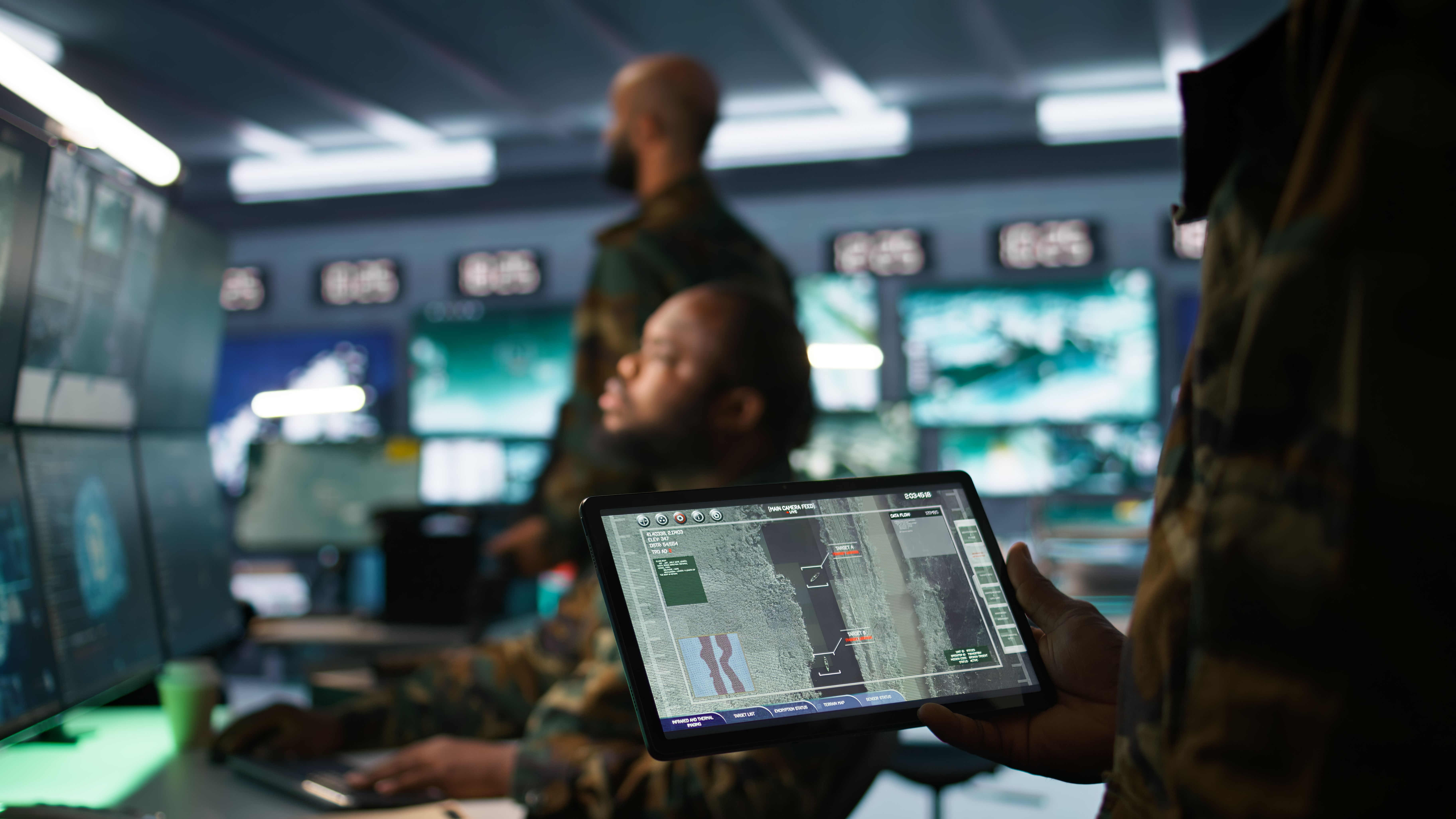
Key Features of Secure Automation Systems
Secure decision-making automation systems are equipped with several key features that enhance their utility in defense operations. These include real-time data processing, threat analysis, and predictive modeling. By analyzing historical data and current trends, these systems can forecast potential threats and suggest preemptive measures.
Data security is paramount in these systems. Advanced encryption and secure communication channels ensure that sensitive information remains protected from cyber threats. Moreover, these systems are designed to be resilient against hacking attempts, safeguarding critical data and operational integrity.
Real-Time Analytics
One of the standout features of these systems is their ability to provide real-time analytics. By constantly monitoring the environment and analyzing data as it comes in, defense teams can respond to threats more swiftly. This capability is essential in combat scenarios where time is of the essence.

Enhancing Operational Efficiency
Beyond security, decision-making automation systems significantly enhance operational efficiency. By automating routine tasks and providing decision support, these systems allow military personnel to focus on more strategic activities. This not only optimizes resource allocation but also boosts overall productivity within defense operations.
The use of automation also aids in reducing response times, particularly in high-stakes situations. With automated systems handling initial threat assessments, human operators can concentrate on developing and executing effective countermeasures.
Collaborative Decision-Making
Another vital aspect of these systems is their ability to facilitate collaborative decision-making. By integrating data from multiple sources, they provide a comprehensive view of the situation, enabling teams to make informed decisions together. This collaborative approach ensures that all angles are considered, enhancing the overall effectiveness of the response.

Future Prospects and Considerations
As technology continues to advance, the role of decision-making automation systems in defense operations is expected to grow. Future iterations of these systems will likely incorporate even more sophisticated AI and machine learning capabilities, further enhancing their predictive and analytical abilities.
However, it is crucial to consider the ethical implications of automating defense decisions. Ensuring that human oversight remains a part of the process is vital to maintaining accountability and preventing unintended consequences.
In conclusion, secure decision-making automation systems are transforming defense operations by providing enhanced security, efficiency, and collaboration. As these technologies evolve, they will continue to play a critical role in shaping the future of military strategy and operations.