
Securing Decision Automation in Defense: Best Practices and Innovations


Introduction
In the rapidly evolving landscape of defense technology, decision automation plays a crucial role. It enhances the efficiency and precision of operations, ensuring that military actions are both swift and accurate. However, with increased reliance on automated systems, securing these technologies becomes paramount.

Understanding Decision Automation in Defense
Decision automation involves using algorithms and artificial intelligence to make quick and informed decisions. In defense, this can range from automated threat detection to strategic planning. The technology aids in processing vast amounts of data, ensuring that military personnel have the information they need to act decisively.
However, the very nature of automation introduces potential vulnerabilities. From cyber-attacks to system malfunctions, the risks are significant. Therefore, implementing robust security measures is essential to safeguard these systems.
Identifying Potential Threats
Before securing automated systems, it's crucial to identify potential threats. These can include cyber intrusions, data breaches, and even physical sabotage. A comprehensive understanding of these threats allows for the development of targeted security strategies.

Best Practices for Securing Decision Automation
Securing decision automation requires a multi-layered approach. Here are some best practices to consider:
- Regular Software Updates: Ensure that all systems are updated with the latest security patches to protect against vulnerabilities.
- Access Control: Implement strict access controls to ensure that only authorized personnel can interact with automated systems.
- Continuous Monitoring: Employ continuous monitoring tools to detect and respond to anomalies in real-time.
Training and Awareness
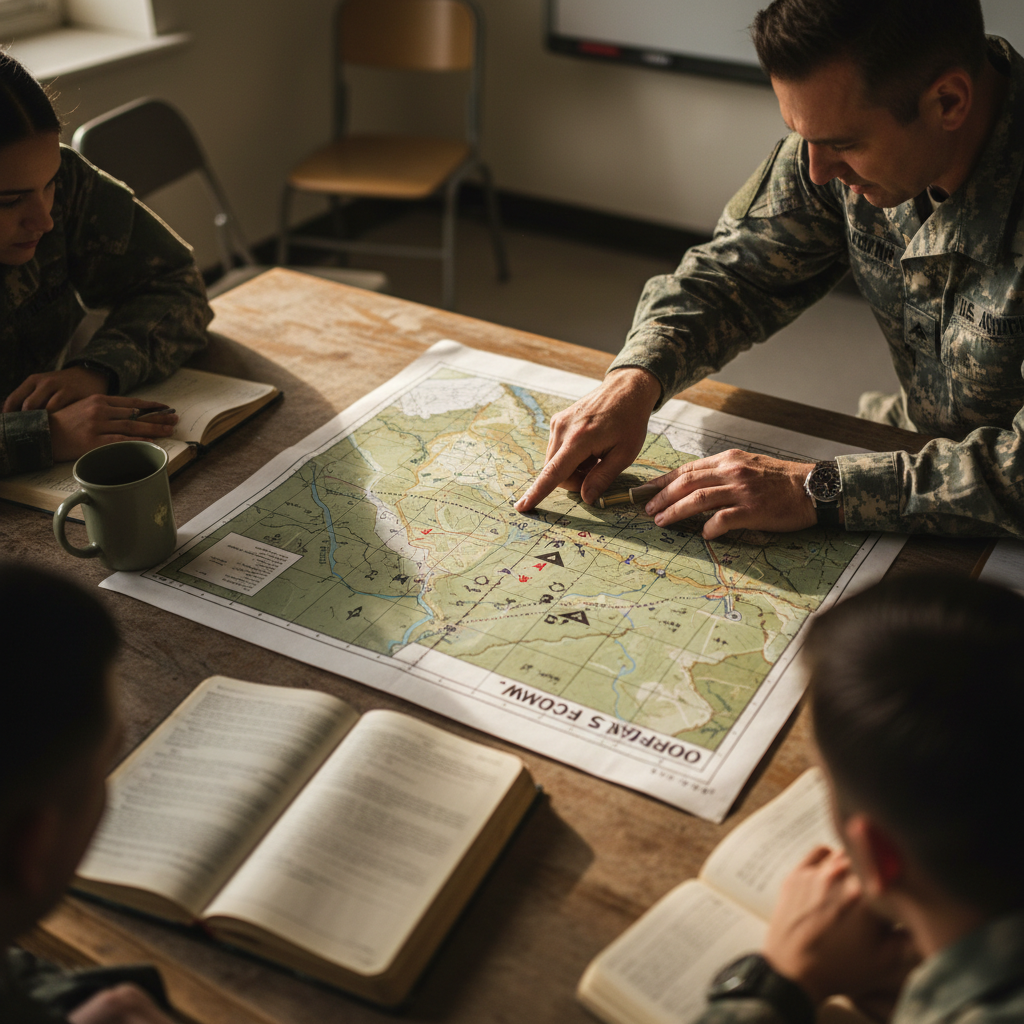
Human error remains a significant risk in automated systems. Regular training programs for military personnel can heighten awareness and reduce the likelihood of mistakes. It's essential to ensure that everyone understands the importance of security protocols.
Innovations in Securing Defense Automation
Innovations in technology offer new ways to enhance the security of automated systems. One such innovation is the use of blockchain technology. By creating an immutable record of transactions, blockchain can ensure data integrity and prevent unauthorized modifications.
Another promising development is the integration of machine learning algorithms that can predict and prevent potential security threats. These algorithms can analyze patterns and detect anomalies that may signal an impending cyber-attack.
Collaborative Efforts
Securing decision automation in defense is not a solitary task. It requires collaboration between governments, private companies, and international organizations. Sharing intelligence and resources can lead to more effective security solutions and innovations.

Conclusion
As defense operations become increasingly reliant on automated systems, securing these technologies is more critical than ever. By adopting best practices and embracing innovations, the defense sector can enhance its resilience against potential threats. Ultimately, a proactive approach to security will ensure the continued effectiveness and safety of decision automation in defense.