
The Future of Secure Decision-Making: Innovations in Automation Systems


Introduction to Secure Decision-Making
In today's rapidly evolving technological landscape, the integration of automation systems into decision-making processes represents a significant leap forward. These innovations not only enhance efficiency but also offer a new layer of security that traditional methods struggle to provide. As we move into the future, understanding how these systems can shape secure decision-making is crucial for any forward-thinking organization.
Automation systems are designed to streamline operations by reducing human intervention. This reduction minimizes the risk of human error, ensuring that decisions are based on accurate data and robust algorithms. The implications for security in this context are profound, as organizations can rely on these systems to make critical decisions with confidence.
The Role of Artificial Intelligence
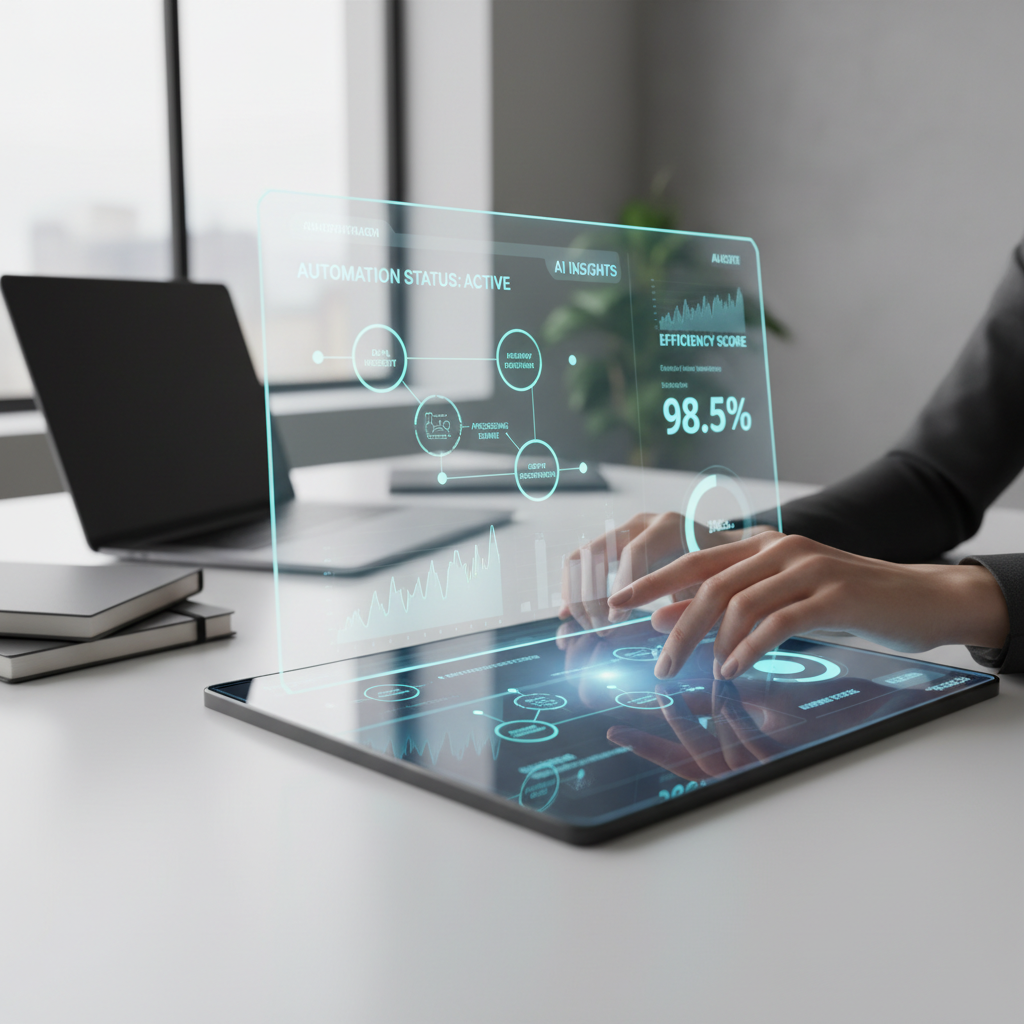
Artificial Intelligence (AI) plays a pivotal role in the development of secure decision-making systems. By leveraging machine learning algorithms, AI can analyze vast amounts of data more efficiently than any human could. This capability allows for real-time decision-making based on the latest information, significantly enhancing the security of operations.
Moreover, AI-driven systems can identify patterns and anomalies that might indicate security threats. By doing so, they provide organizations with the foresight needed to prevent potential breaches before they occur. This proactive approach is a game-changer in the realm of cybersecurity.
Blockchain Technology and Transparency
Blockchain technology is another innovation that is revolutionizing secure decision-making. Known for its transparency and immutability, blockchain offers a secure platform for recording and verifying decisions. Each transaction is recorded in a decentralized ledger, making it nearly impossible for unauthorized alterations.
This level of transparency not only enhances trust but also ensures accountability. Organizations can confidently make decisions knowing that the records are tamper-proof and accessible for audit purposes, thereby strengthening their security posture.
Integration of IoT Devices
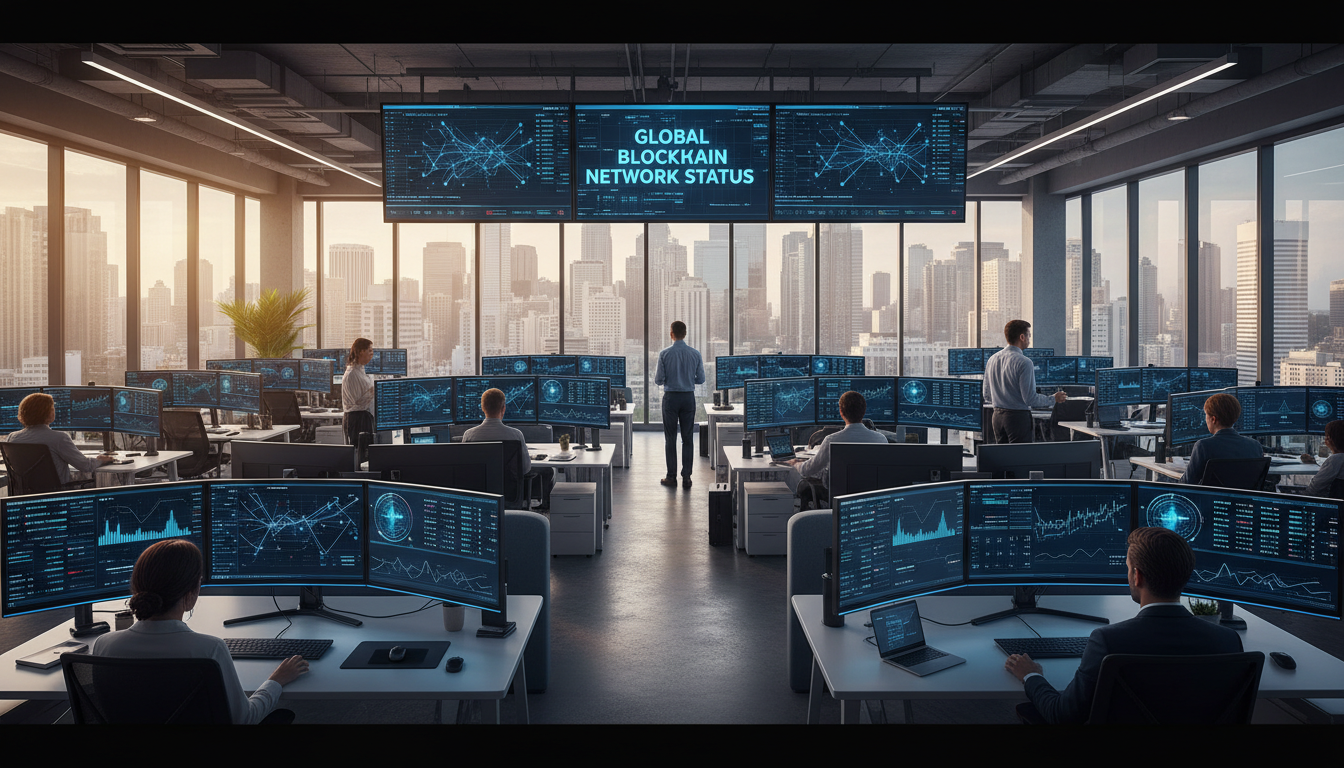
The Internet of Things (IoT) is increasingly playing a role in automated decision-making systems. IoT devices collect real-time data from various sources, providing a rich dataset that can be used to make informed decisions. The integration of these devices into automation systems ensures that decisions are based on the most current data available.
However, with the increased connectivity comes an increased risk of security breaches. Therefore, securing IoT devices is paramount. By implementing robust security protocols, organizations can ensure that their IoT devices contribute positively to secure decision-making processes.
Challenges and Considerations
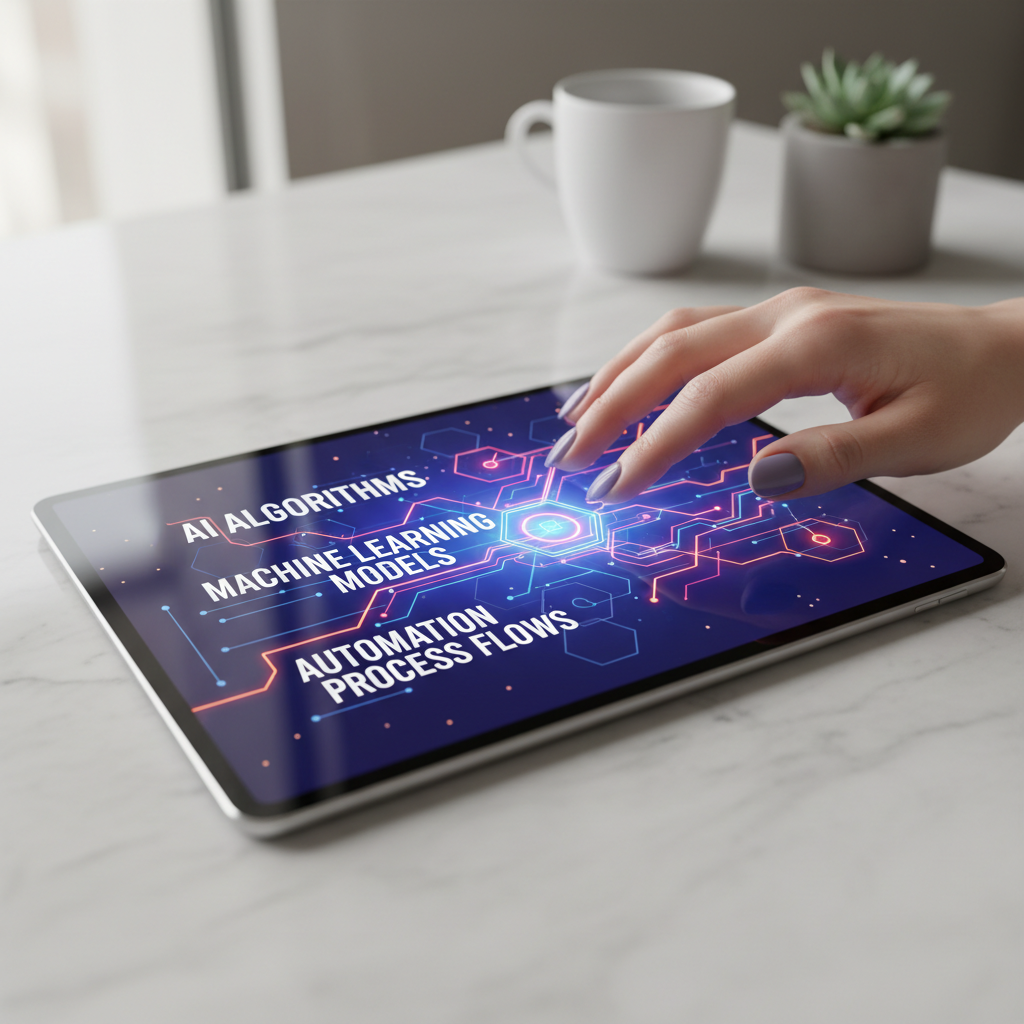
While the benefits of automation systems in secure decision-making are clear, there are challenges that organizations must consider. Ensuring data privacy, maintaining compliance with regulatory standards, and managing the ethical implications of AI decisions are all critical components that require careful consideration.
Moreover, organizations must invest in continuous training and development to keep pace with technological advancements. By doing so, they can ensure that their teams are well-equipped to manage and maintain these sophisticated systems.
Conclusion
The future of secure decision-making is bright, thanks to innovations in automation systems. With AI, blockchain, and IoT technologies at the forefront, organizations can look forward to a more secure and efficient decision-making process. As these technologies continue to evolve, staying informed and adaptable will be key to leveraging their full potential.
In embracing these innovations, businesses not only secure their operations but also position themselves as leaders in a competitive landscape. The journey towards secure decision-making is an ongoing process, but one that promises significant rewards for those who invest in it.