
The Role of AI in Optimizing Defense Infrastructure Operations


Introduction to AI in Defense Infrastructure
The integration of Artificial Intelligence (AI) into defense infrastructure operations marks a transformative shift in how military and defense agencies manage and optimize their resources. By leveraging advanced algorithms and machine learning, AI enables enhanced decision-making, predictive maintenance, and improved operational efficiency.
AI's role in defense is not limited to combat scenarios; it extends to logistical and infrastructural aspects, ensuring that operations run smoothly and effectively. The technology offers unprecedented capabilities for identifying patterns, predicting failures, and improving overall resource management.
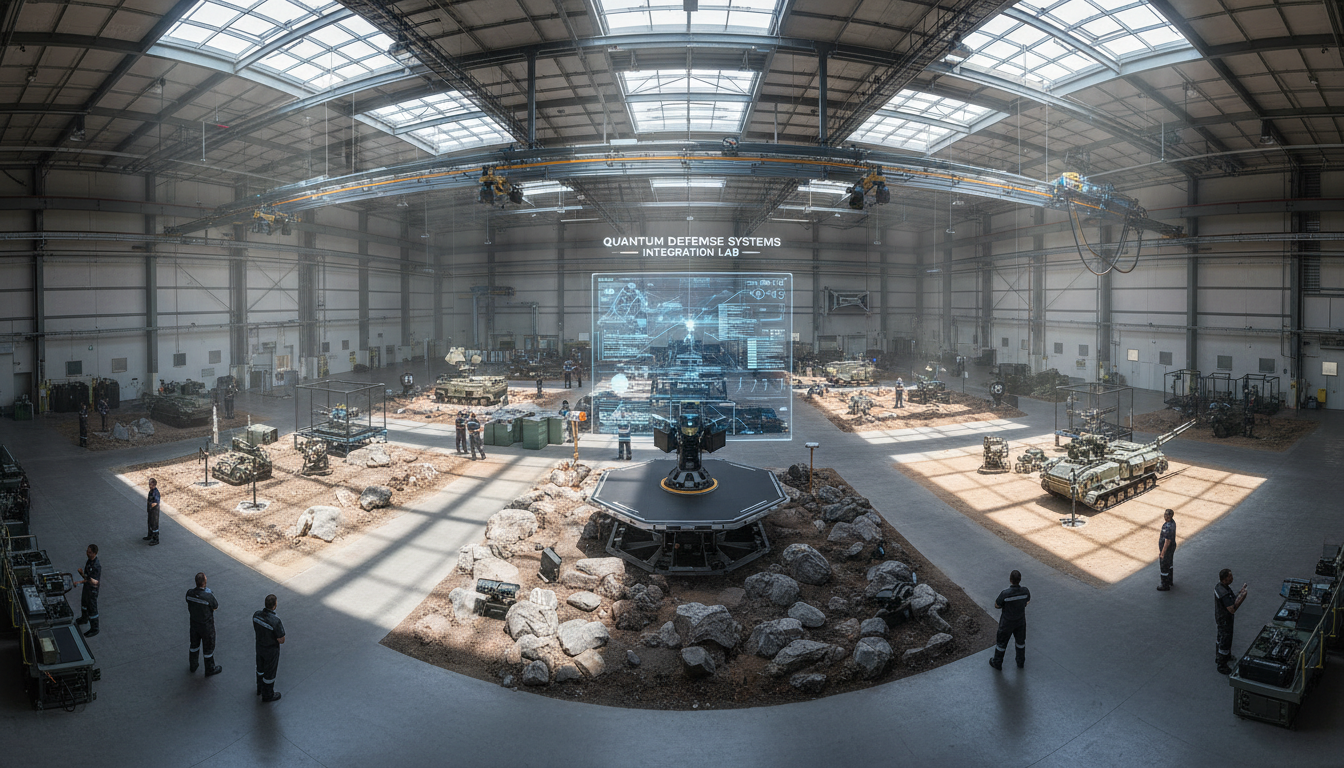
Enhancing Predictive Maintenance
One of the primary benefits of AI in defense infrastructure is its ability to perform predictive maintenance. Traditional maintenance schedules are based on fixed intervals, which can lead to unnecessary downtime or unexpected failures. AI systems, however, analyze data in real-time to predict when equipment is likely to fail, allowing for timely interventions.
This approach not only reduces downtime but also extends the lifespan of critical assets. By implementing AI-driven predictive maintenance, defense organizations can achieve significant cost savings and enhance the readiness of their operational equipment.

Optimizing Resource Allocation
AI plays a crucial role in optimizing resource allocation within defense infrastructure. With the ability to process large volumes of data quickly, AI systems help in making informed decisions about where and how to allocate resources. This includes everything from fuel and supplies to personnel deployment.
By using AI to analyze logistical data, defense agencies can ensure that resources are used efficiently and effectively, minimizing waste and maximizing operational effectiveness. This optimization is vital for maintaining a high level of readiness and response capability.

Improving Cybersecurity Measures
As defense infrastructure becomes increasingly digital, the risk of cyber threats grows. AI enhances cybersecurity measures by detecting and responding to threats faster than traditional methods. Machine learning algorithms can identify unusual patterns and potential breaches in real-time, providing a robust defense against cyber attacks.
Furthermore, AI-driven cybersecurity systems can adapt to new threats as they emerge, ensuring that defense infrastructure remains secure against evolving challenges. This adaptability is crucial for protecting sensitive information and maintaining operational integrity.
Facilitating Strategic Decision-Making
AI supports strategic decision-making by providing actionable insights derived from complex data sets. For defense leaders, having access to real-time, data-driven insights is invaluable for making informed decisions in high-pressure situations.
The ability of AI to simulate various scenarios and predict outcomes helps in planning and executing operations more effectively. This ensures that defense strategies are based on comprehensive data analysis rather than intuition alone.

Conclusion
The role of AI in optimizing defense infrastructure operations is multifaceted, impacting everything from maintenance and resource allocation to cybersecurity and strategic planning. As AI technology continues to advance, its integration into defense systems will only become more critical.
By embracing AI, defense organizations can enhance their operational capabilities, improve efficiency, and ensure a higher level of readiness to face the challenges of the modern world. The future of defense infrastructure lies in the successful integration of these intelligent systems.