
The Role of Digital Twin Technology in Defense Infrastructure


Understanding Digital Twin Technology
Digital twin technology is revolutionizing how industries operate, and its impact on defense infrastructure is significant. A digital twin is a virtual model designed to accurately reflect a physical object. In the context of defense, this technology enables military organizations to create precise simulations of equipment, vehicles, and even entire facilities.
The use of digital twins allows for enhanced analysis, testing, and optimization without the risks and costs associated with real-world experiments. By creating these virtual counterparts, defense entities can predict potential issues, streamline maintenance, and improve overall operational efficiency.
Enhancing Operational Efficiency
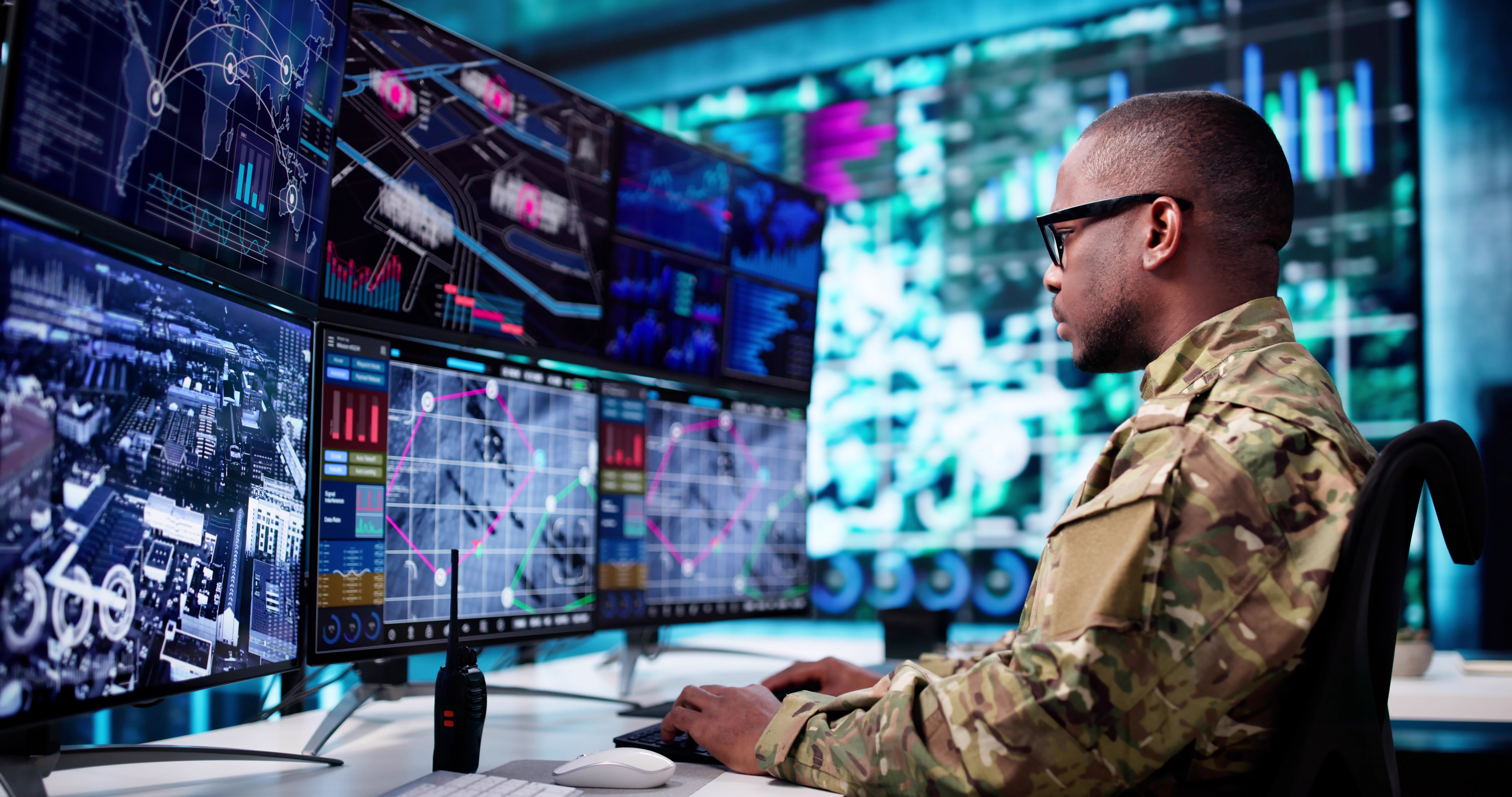
One of the primary advantages of digital twin technology in defense is the improvement of operational efficiency. By simulating various scenarios, defense organizations can identify bottlenecks and inefficiencies in their processes. This proactive approach allows for data-driven decision-making and strategic planning.
Moreover, digital twins facilitate real-time monitoring of systems and infrastructure. This capability enables defense teams to respond quickly to emerging threats or malfunctions, ensuring that operations remain smooth and uninterrupted.
Predictive Maintenance
Predictive maintenance is another critical application of digital twin technology in defense. By continuously analyzing data from sensors and other inputs, digital twins can forecast when equipment or systems are likely to fail. This foresight allows for proactive maintenance, reducing downtime and extending the lifespan of assets.

Training and Simulation
Digital twin technology also plays a vital role in training and simulation for defense personnel. Virtual environments created by digital twins offer a safe and controlled setting for training exercises. These simulations can recreate complex scenarios, allowing military teams to practice and refine their skills without the risks of live training.
Additionally, digital twins can be used to simulate new equipment or technologies before they are deployed. This aspect ensures that personnel are well-prepared and familiar with new systems, enhancing overall readiness and effectiveness.

Challenges and Considerations
While digital twin technology offers numerous benefits, it also presents challenges that must be addressed. One of the primary concerns is data security. As digital twins rely on vast amounts of data, ensuring that this information is protected from cyber threats is crucial.
Additionally, the integration of digital twin technology requires significant investment in infrastructure and training. Organizations must balance these costs with the potential benefits to determine the feasibility of implementation.
Future Outlook
The future of digital twin technology in defense infrastructure looks promising. As technology continues to advance, digital twins will become more sophisticated, offering even greater insights and capabilities. The potential for innovation is vast, and defense organizations are poised to leverage these advancements to enhance their operations.
Ultimately, digital twin technology represents a significant step forward in the modernization of defense infrastructure, providing a powerful tool for analysis, training, and strategic planning.