
The Role of Digital Twin Technology in Modernizing Defense Operations


In recent years, digital twin technology has emerged as a transformative force across various industries, including defense. This innovative approach allows for the creation of virtual replicas of physical assets, systems, or processes, enabling organizations to simulate, predict, and optimize operations. As defense operations become more complex, digital twins offer a promising avenue for modernization and efficiency.
Understanding Digital Twins
Digital twins are more than mere digital models. They are dynamic, evolving models that integrate data from real-world operations to provide a comprehensive understanding of systems. By using sensors and IoT technology, digital twins continuously update with real-time data, offering a powerful tool for decision-makers in defense sectors.
The ability to simulate scenarios in a virtual environment allows defense operators to anticipate potential issues, optimize performance, and enhance strategic planning. This capability is crucial for military operations, where the stakes are exceedingly high, and precision is paramount.
Enhancing Operational Efficiency
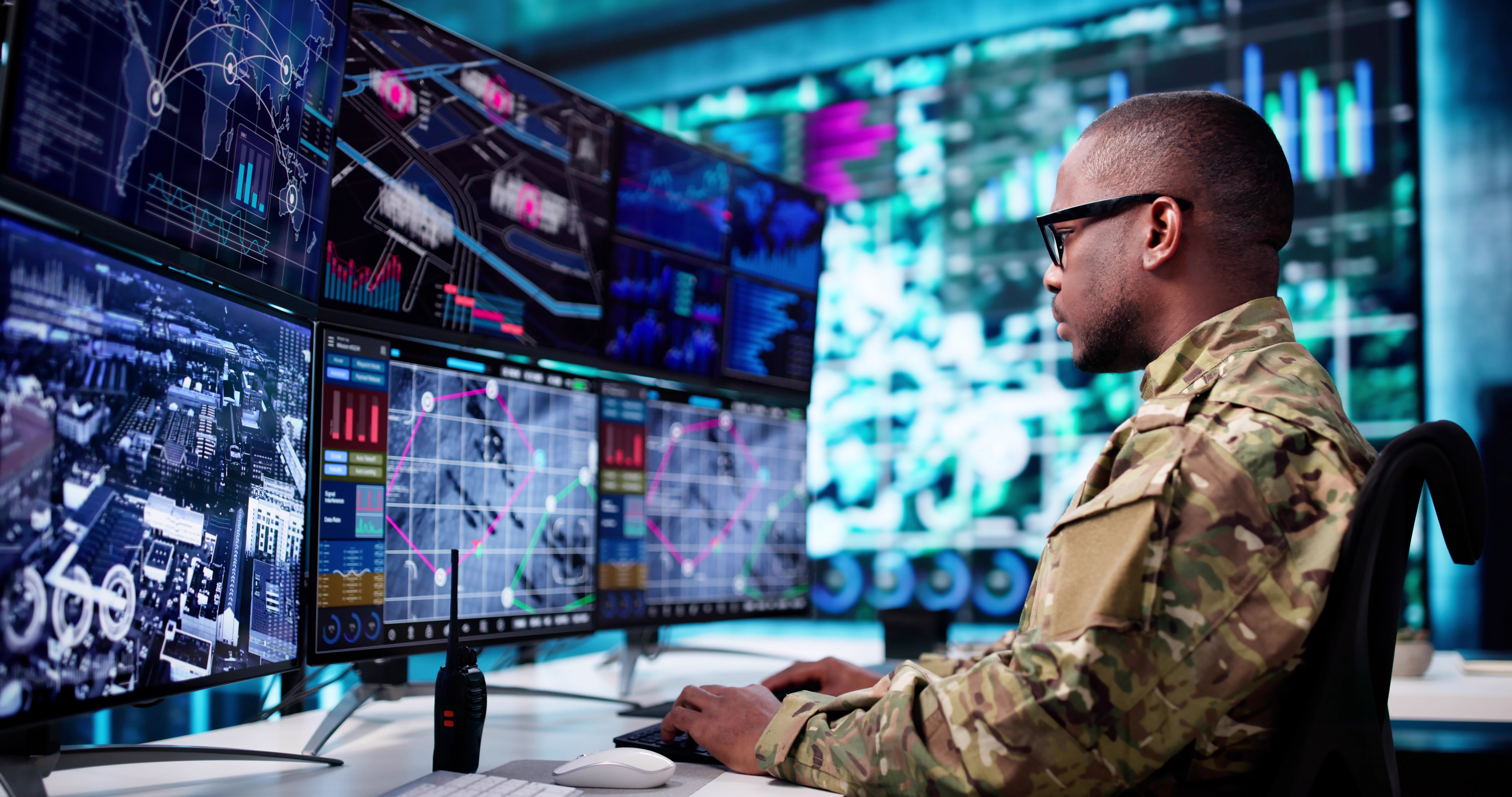
One of the significant advantages of digital twin technology in defense is its potential to enhance operational efficiency. By modeling complex systems, digital twins allow for the analysis and optimization of processes, reducing downtime and improving resource allocation. This is particularly valuable in logistics, where efficiency can directly impact mission success.
Furthermore, digital twins enable predictive maintenance of military equipment. By continuously monitoring the condition of assets, potential failures can be identified and addressed before they occur, significantly reducing maintenance costs and equipment downtime.
Improving Training and Simulation
Digital twins are revolutionizing training and simulation in defense operations. By creating realistic, data-driven simulations, military personnel can train in environments that closely mimic real-world scenarios. This immersive training enhances readiness and ensures that teams are well-prepared for a range of situations.
Moreover, digital twins allow for individualized training experiences, adapting to the specific needs and performance of each trainee. This personalized approach helps in building highly skilled and adaptable military forces.

Strategic Planning and Decision Making
In the realm of strategic planning, digital twins provide defense leaders with unprecedented insights. By simulating various operational scenarios, decision-makers can evaluate the potential outcomes of different strategies, improving risk assessment and resource management.
This proactive approach to planning allows for better anticipation of adversarial actions and the development of more robust defense strategies. Digital twins also facilitate collaborative decision-making by providing a shared, data-driven model for all stakeholders.
Future Prospects and Challenges
The future of digital twin technology in defense looks promising, with ongoing advancements in AI, machine learning, and data analytics. These developments will further enhance the capabilities and applications of digital twins, driving continued innovation in defense operations.
However, the integration of digital twins also presents challenges, including data security and interoperability concerns. Ensuring that digital twin systems can seamlessly integrate with existing defense infrastructure is crucial for their successful implementation.
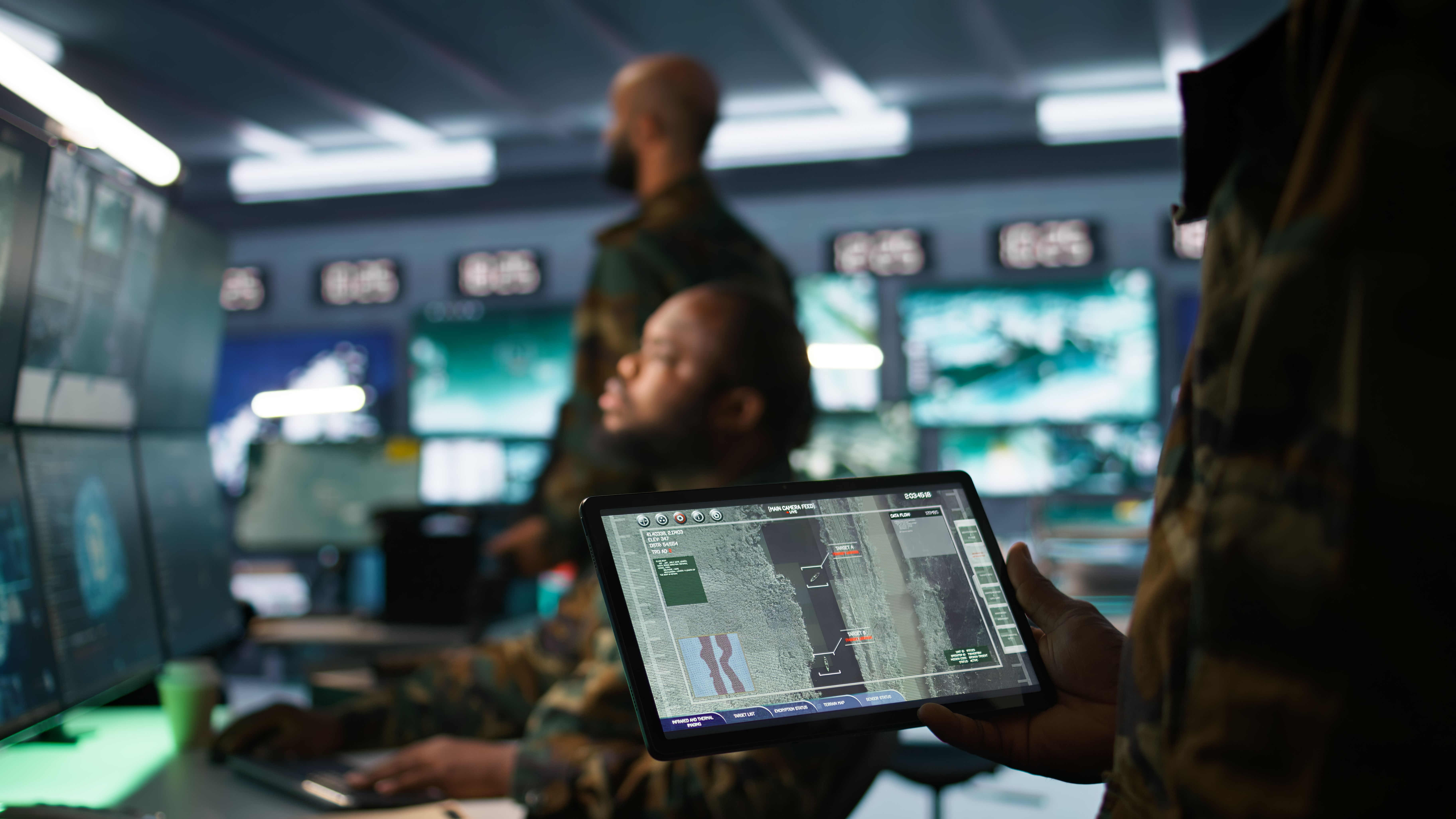
In conclusion, digital twin technology offers a powerful tool for modernizing defense operations, providing enhanced efficiency, improved training, and strategic advantages. As the technology continues to evolve, it will undoubtedly play a pivotal role in shaping the future of defense. Embracing digital twins could be the key to maintaining a strategic edge in an increasingly complex global landscape.