
The Role of Digital Twins in Enhancing Mission Readiness


Understanding Digital Twins
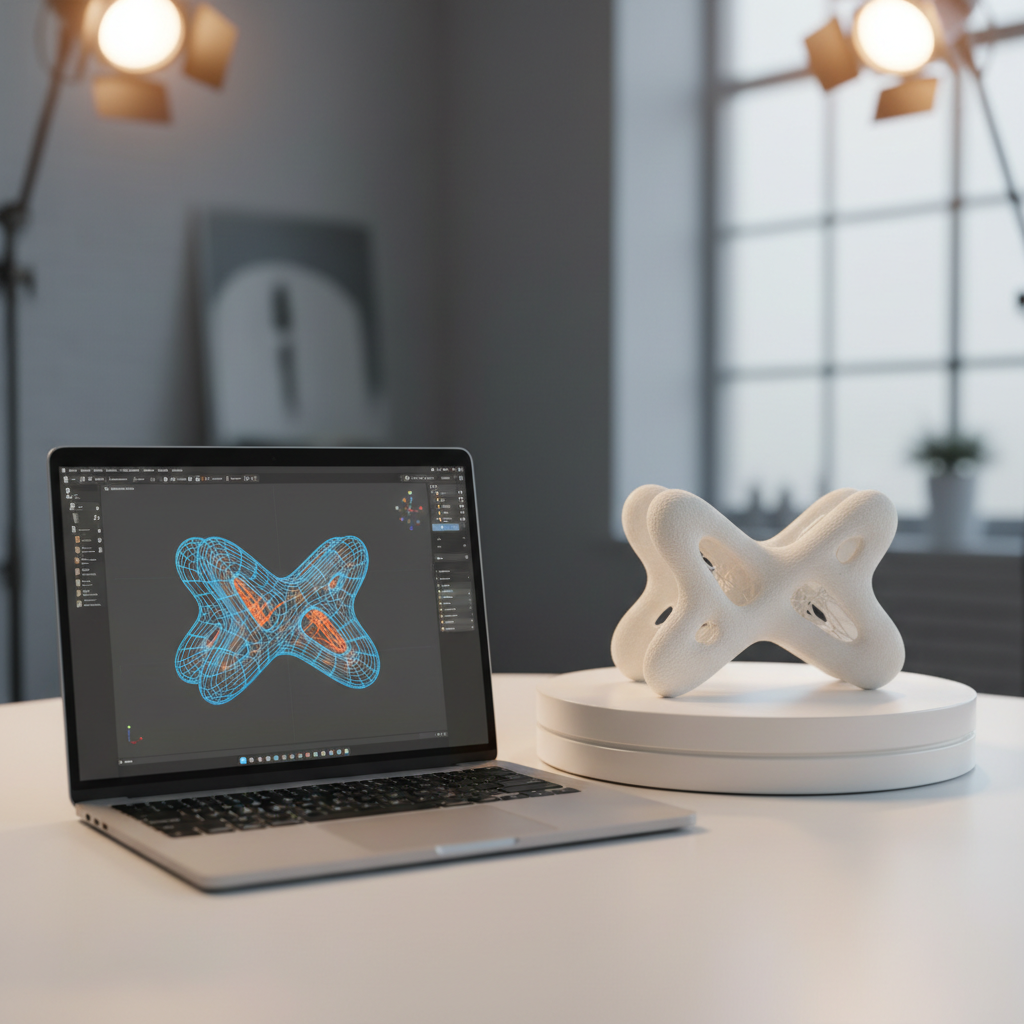
Digital twins represent a revolutionary technology that is transforming various industries by creating virtual replicas of physical assets. These digital counterparts can simulate, predict, and optimize processes, offering invaluable insights into system functionality. In the context of mission readiness, digital twins play a pivotal role by providing real-time analytics and predictive maintenance capabilities.
The concept involves utilizing sensors and data analytics to mirror the physical world in a digital format. This enables organizations to monitor and simulate different scenarios, ultimately enhancing decision-making processes and operational efficiency. As a result, digital twins are becoming increasingly integral to mission-critical operations.
Enhancing Mission Readiness
Mission readiness is crucial for organizations involved in defense, space exploration, and emergency response. With the integration of digital twins, these entities can achieve a higher level of preparedness by simulating complex scenarios and optimizing resource allocation.
For instance, in the defense sector, digital twins can replicate battlefield conditions, allowing military strategists to test various tactics and anticipate potential challenges. This proactive approach leads to better-prepared personnel and more effective missions.
Predictive Maintenance
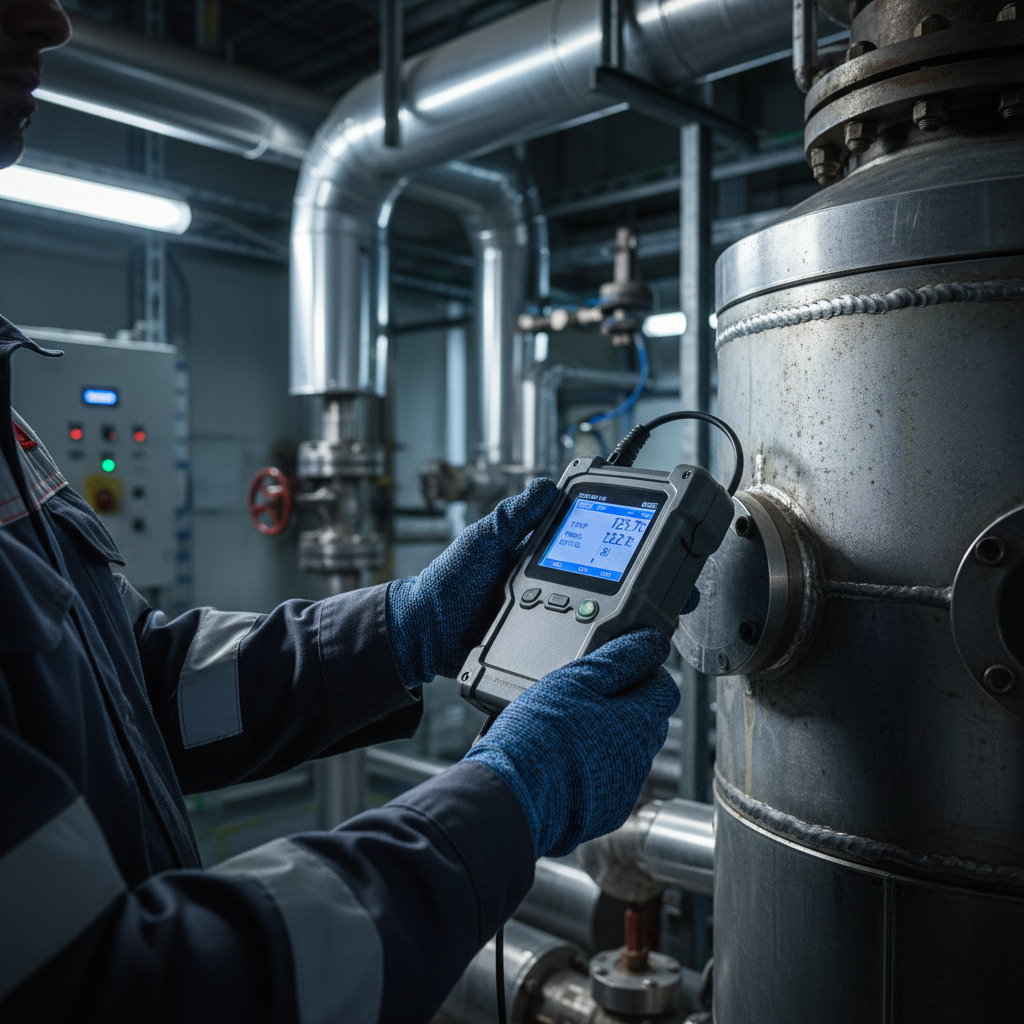
One of the most significant advantages of digital twins is their ability to facilitate predictive maintenance. By continuously monitoring equipment and system performance, digital twins can predict potential failures before they occur. This minimizes downtime and ensures that all systems are fully operational when needed.
Real-Time Data and Analytics
Digital twins provide access to real-time data and analytics, which are essential for maintaining mission readiness. This data-driven approach allows organizations to make informed decisions quickly, adapting to changing conditions with agility and precision.
For example, in space exploration, digital twins can simulate conditions on a spacecraft, enabling engineers to address issues remotely and ensure mission success. This level of insight is invaluable for minimizing risks and optimizing outcomes.
Training and Simulation
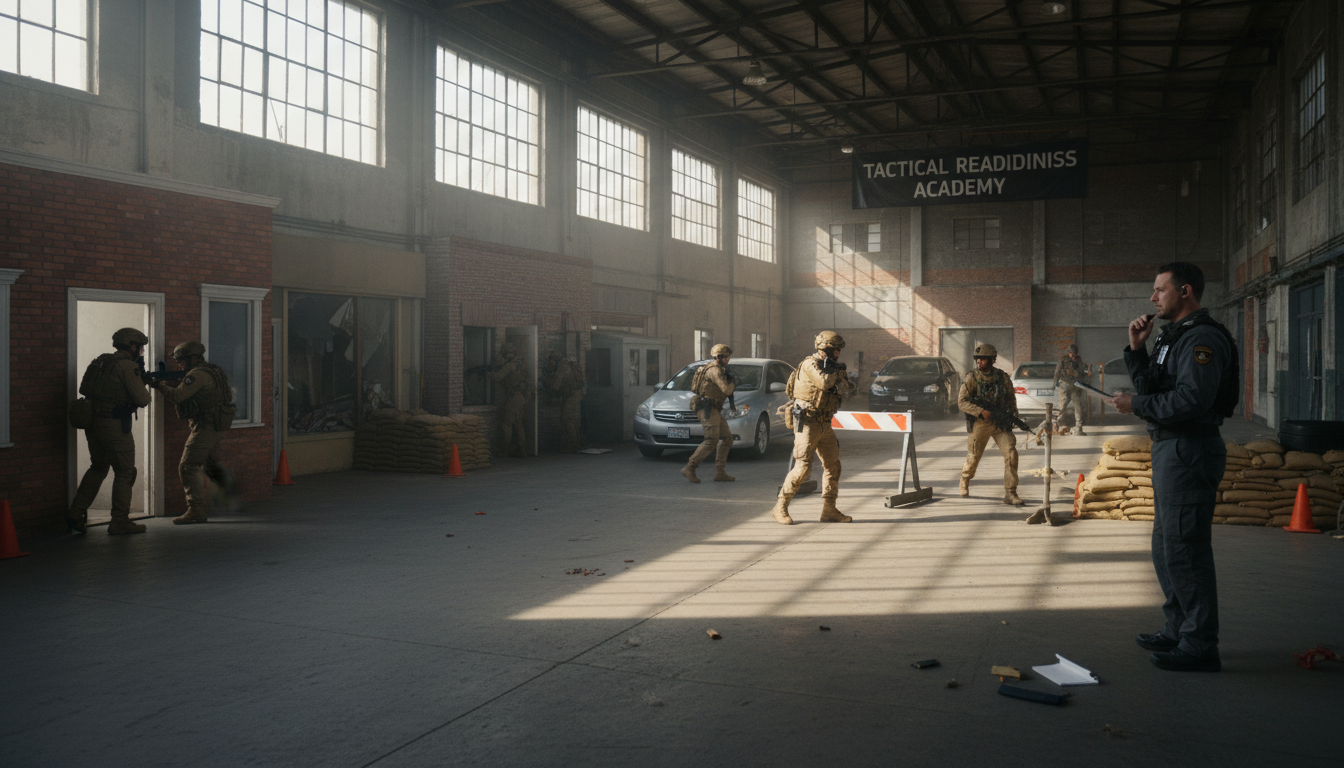
Training is another area where digital twins greatly enhance mission readiness. By creating realistic simulations, personnel can practice and refine their skills in a safe, controlled environment. This prepares them for real-world challenges and improves overall performance.
Future Implications
The future implications of digital twins in mission readiness are vast. As technology advances, these virtual models will become even more sophisticated, offering deeper insights and broader applications. Organizations that leverage digital twins will have a competitive edge, ensuring they are always prepared for whatever challenges lie ahead.
In conclusion, digital twins are redefining how organizations approach mission readiness. By harnessing the power of real-time data, predictive analytics, and advanced simulations, they provide a comprehensive solution to enhance operational efficiency and strategic planning. As this technology continues to evolve, its impact on mission-critical operations will only grow stronger.