
The Role of Digital Twins in Optimizing Defense Logistics


Understanding Digital Twins
In the realm of defense logistics, the concept of digital twins is revolutionizing how military operations are managed and optimized. A digital twin is a virtual replica of a physical entity, system, or process, which allows for simulation, analysis, and control in real-time. This cutting-edge technology enables defense organizations to enhance their logistics by providing insights that were previously unattainable.
With the growing complexity of military supply chains, the ability to anticipate and respond to logistical challenges is crucial. Digital twins create a dynamic environment where data from sensors and IoT devices can be analyzed to make informed decisions. This virtual modeling aids in predicting equipment failures, optimizing resource allocation, and improving overall mission readiness.

Enhancing Predictive Maintenance
One of the most significant advantages of digital twins in defense logistics is their role in predictive maintenance. By monitoring the real-time status of equipment, digital twins can predict when a component is likely to fail and recommend maintenance schedules accordingly. This proactive approach reduces downtime, enhances equipment reliability, and ultimately saves costs.
Moreover, predictive maintenance supported by digital twins helps in extending the lifespan of military assets. By continuously analyzing performance data and environmental conditions, potential issues can be detected before they escalate into major problems. This not only ensures operational efficiency but also maximizes the return on investment for defense logistics operations.
Streamlining Supply Chain Management
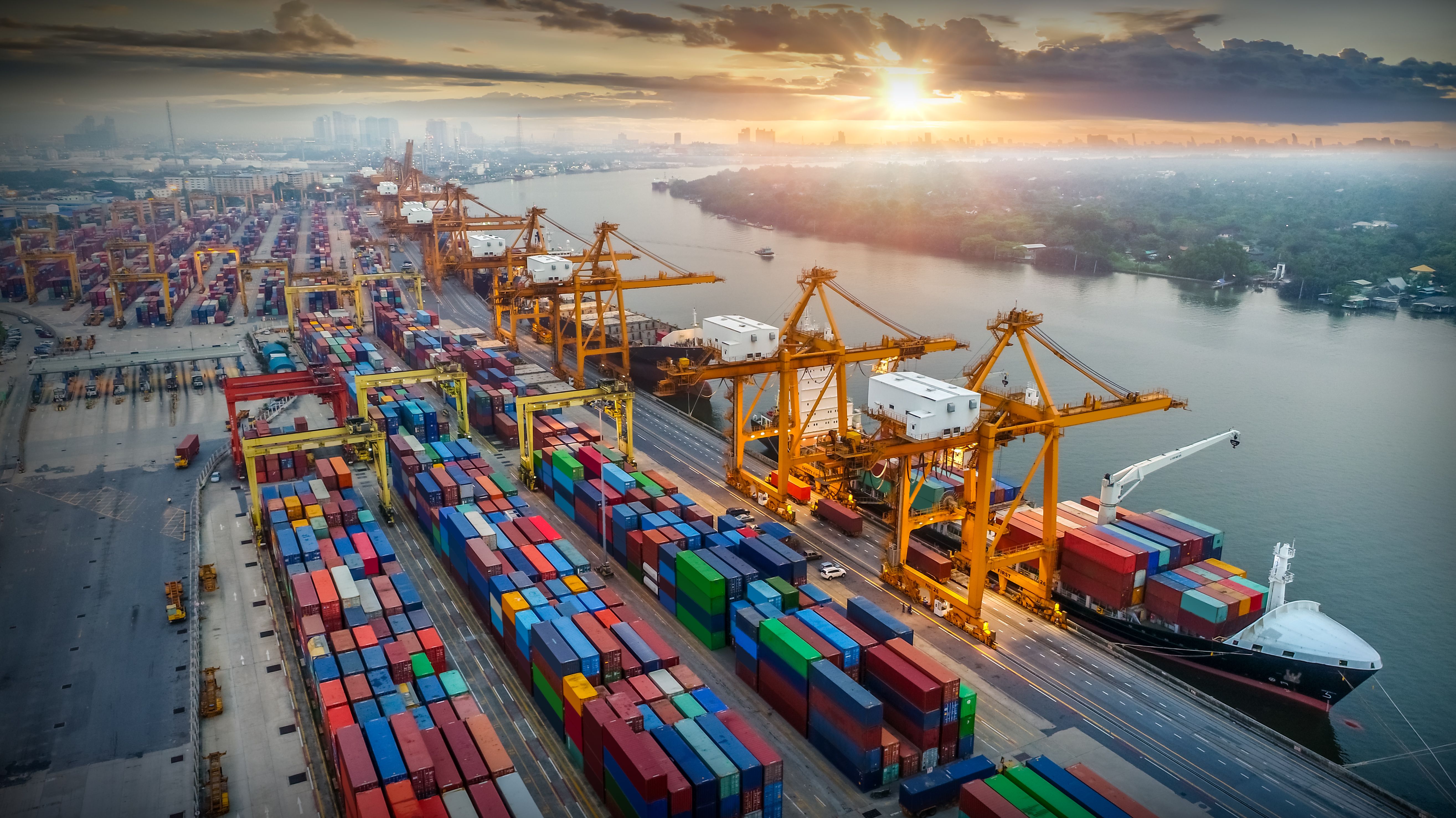
In addition to predictive maintenance, digital twins play a crucial role in streamlining supply chain management. With the integration of real-time data, defense organizations can optimize their supply chains by predicting demand, managing inventory levels, and ensuring the timely delivery of resources.
Digital twins facilitate scenario planning, which allows logistics managers to simulate different supply chain strategies and assess their impact. This capability is invaluable in mitigating risks and adapting to changes in mission requirements or environmental conditions. By providing a comprehensive view of the supply chain, digital twins enable more agile and responsive logistics operations.
Improving Decision-Making
The adoption of digital twins in defense logistics also leads to improved decision-making. With access to a wealth of data and predictive analytics, commanders and logistics personnel can make more informed choices regarding resource allocation and mission planning. The ability to visualize potential outcomes enhances strategic planning and operational effectiveness.
Furthermore, digital twins support collaboration among various departments by providing a shared platform for data analysis and communication. This interconnected approach fosters a unified understanding of logistics challenges and encourages collective problem-solving, ultimately resulting in more cohesive and efficient operations.
Future Prospects and Challenges
As digital twin technology continues to evolve, its potential applications in defense logistics are expanding. Future advancements may include the integration of artificial intelligence and machine learning to further enhance predictive capabilities and automate decision-making processes. The continuous evolution of this technology promises to unlock even greater efficiencies and innovations in defense logistics.

Despite its numerous benefits, implementing digital twins in defense logistics is not without challenges. Concerns regarding data security, system integration, and the need for skilled personnel must be addressed to fully realize the technology's potential. However, with ongoing research and development, these obstacles can be overcome, paving the way for a new era of optimization in defense logistics.