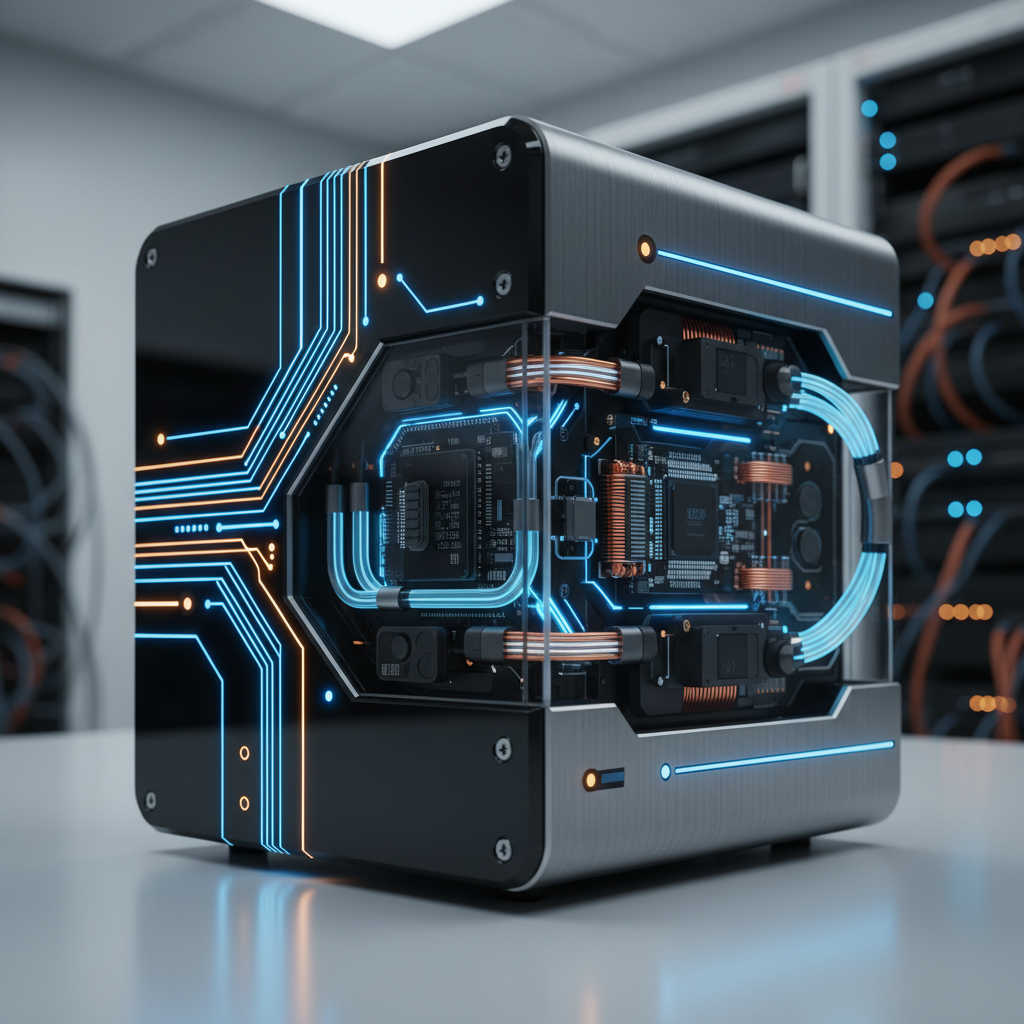
The Role of Real-Time Operational Simulations in Defense Strategy


Introduction to Real-Time Operational Simulations
In the modern defense landscape, real-time operational simulations have become indispensable. These simulations allow military strategists to assess various scenarios and make informed decisions rapidly. By leveraging advanced technology, defense operations can be tested and refined without the immediate risks associated with real-world exercises.
The complexity of today’s global threats necessitates a more dynamic approach to defense strategy. Real-time simulations provide a controlled environment where variables can be manipulated to study outcomes, offering critical insights for military planning.
Enhancing Decision-Making Processes
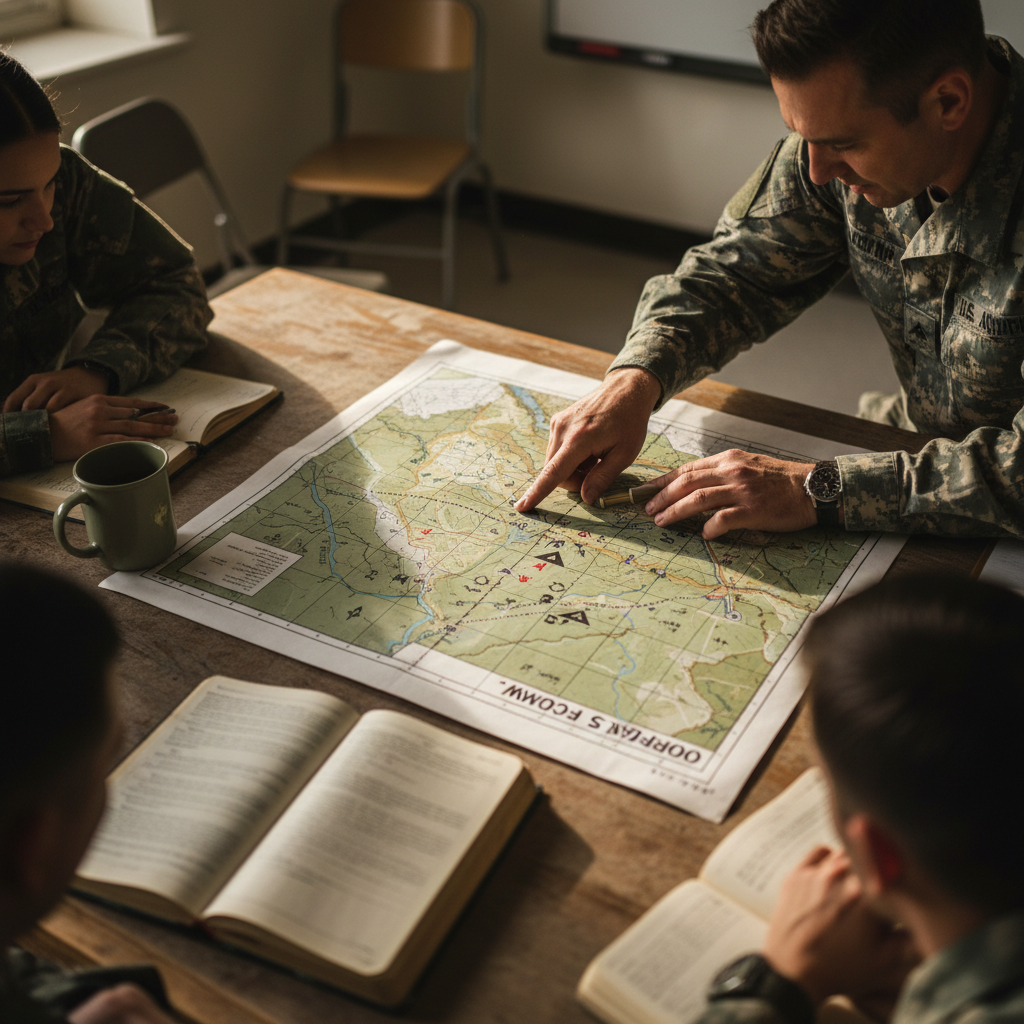
Real-time operational simulations significantly enhance decision-making processes within defense strategy by providing a data-driven foundation. Military leaders can evaluate potential scenarios and outcomes, leading to more robust and adaptable strategies.
These simulations allow for immediate feedback and adjustments, enabling defense teams to refine tactics and operations quickly. The ability to visualize potential threats and responses in real-time is a game-changer in strategic planning.
Data-Driven Insights
By utilizing real-time data, simulations can reflect current geopolitical climates and threat levels. This approach ensures that strategies are not only reactive but also proactive, anticipating possible developments and preparing accordingly.
Training and Skill Development
Beyond strategy formulation, real-time operational simulations play a crucial role in training military personnel. These simulations provide realistic scenarios that enhance the skills and readiness of troops without the need for traditional, resource-intensive exercises.
This method of training is particularly advantageous in specialized operations where precision and speed are paramount. Soldiers can engage in virtual scenarios that closely mimic real-world conditions, ensuring that they are prepared for various possible situations.
Cost-Effectiveness and Safety
Traditional training methods can be costly and sometimes risky. Real-time simulations offer a cost-effective alternative that reduces risks to personnel while maintaining high training standards. By minimizing the need for physical resources, the military can allocate funds more efficiently.
Integration with Emerging Technologies
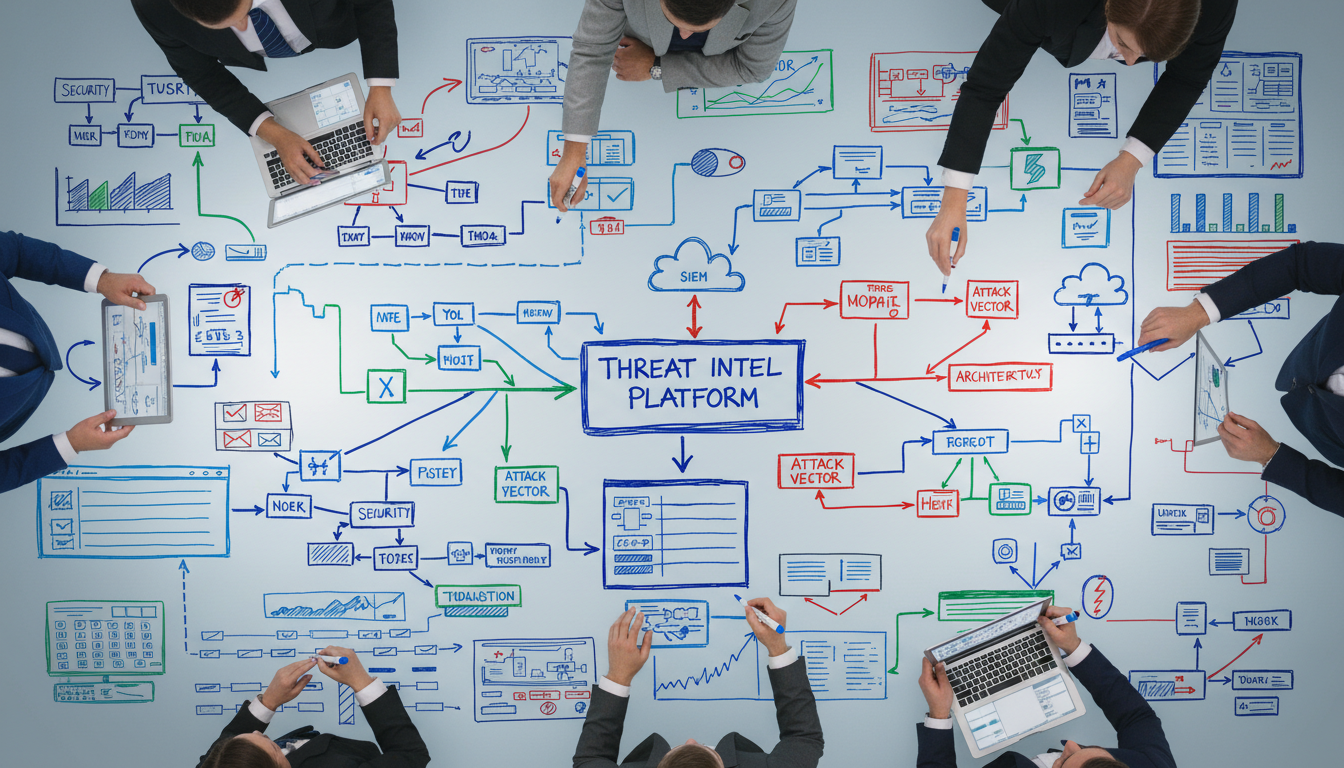
The integration of emerging technologies such as artificial intelligence and machine learning with real-time operational simulations is paving the way for more sophisticated defense strategies. These technologies allow for the analysis of vast amounts of data, providing deeper insights into potential threats and strategic responses.
By incorporating AI, simulations can predict enemy movements and strategies, allowing for more informed decision-making. This capability ensures that defense strategies are always a step ahead of potential adversaries.
Future Prospects
As technology continues to advance, the potential for real-time operational simulations in defense strategy will expand. Continuous innovation will lead to even more realistic and effective simulations, further enhancing defense capabilities.