Understanding the Impact of AI on Defense Decision-Making


The Evolution of AI in Defense
Artificial Intelligence (AI) has rapidly transformed various sectors, and the defense industry is no exception. The integration of AI into defense decision-making processes is reshaping strategies and operations, offering unprecedented capabilities. This evolution is not only enhancing efficiency but also providing a competitive edge.
AI systems are designed to process vast amounts of data at remarkable speeds, enabling military analysts to gain insights that were previously unattainable. As defense organizations seek to leverage these capabilities, understanding the impact of AI becomes crucial.
Enhancing Situational Awareness
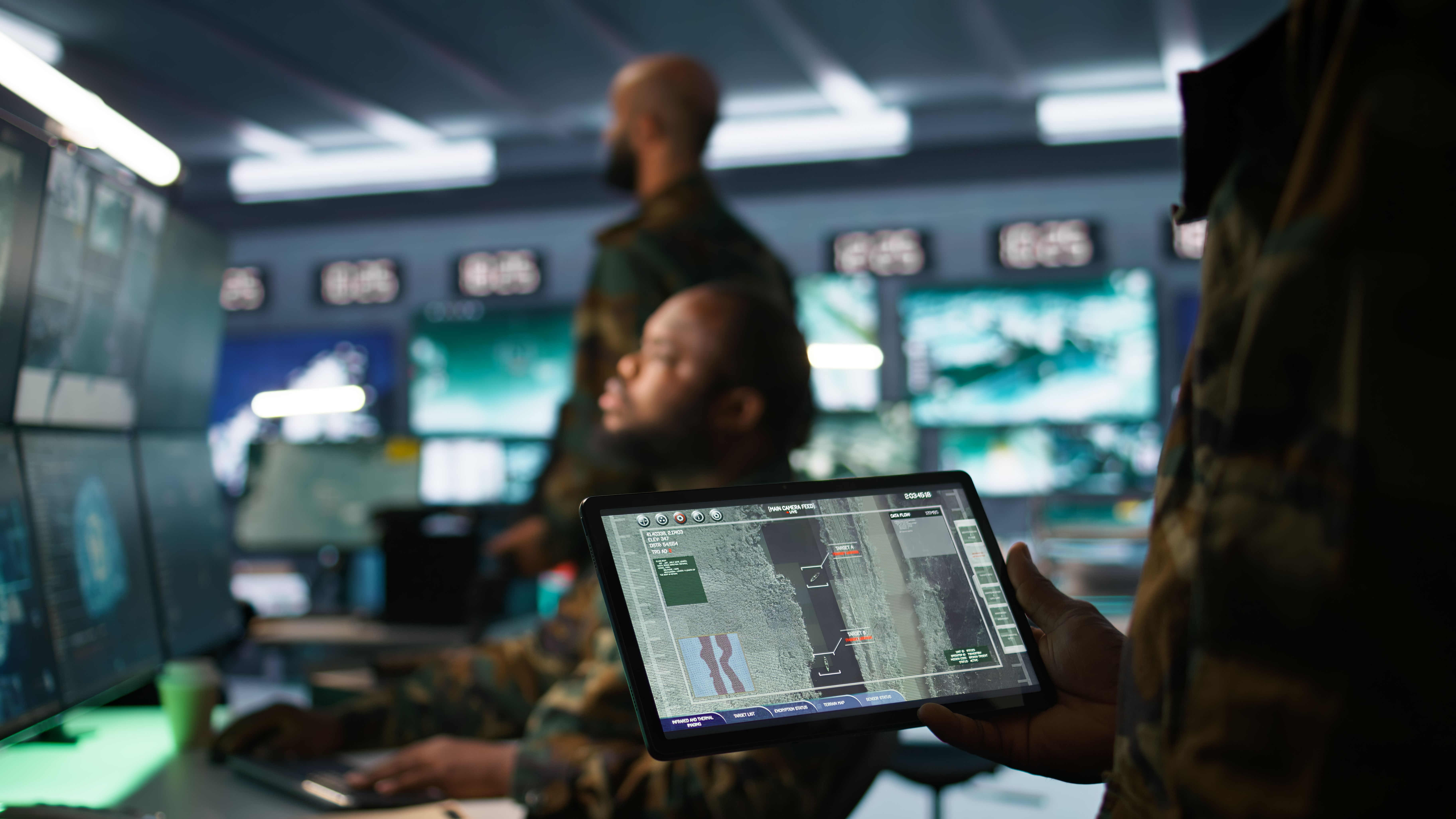
One of the primary benefits of AI in defense is its ability to improve situational awareness. By analyzing data from various sources such as satellite imagery, social media, and sensor networks, AI systems can provide a comprehensive view of the battlefield. This enhanced awareness allows military leaders to make informed decisions quickly.
AI algorithms can detect patterns and anomalies that human analysts might miss, ensuring that potential threats are identified and addressed promptly. This capability is vital in modern warfare, where the speed of decision-making can determine the outcome of an engagement.

Optimizing Resource Allocation
Resource allocation is a critical aspect of military operations, and AI plays a significant role in optimizing this process. By using predictive analytics, AI can forecast the needs of different units and allocate resources accordingly. This ensures that personnel, equipment, and supplies are distributed efficiently, minimizing wastage and enhancing operational readiness.
Moreover, AI-driven logistics systems can streamline supply chains, reducing the time and cost associated with moving resources. This optimization is particularly important during large-scale operations, where coordination and timing are crucial.
Autonomous Systems and Robotics
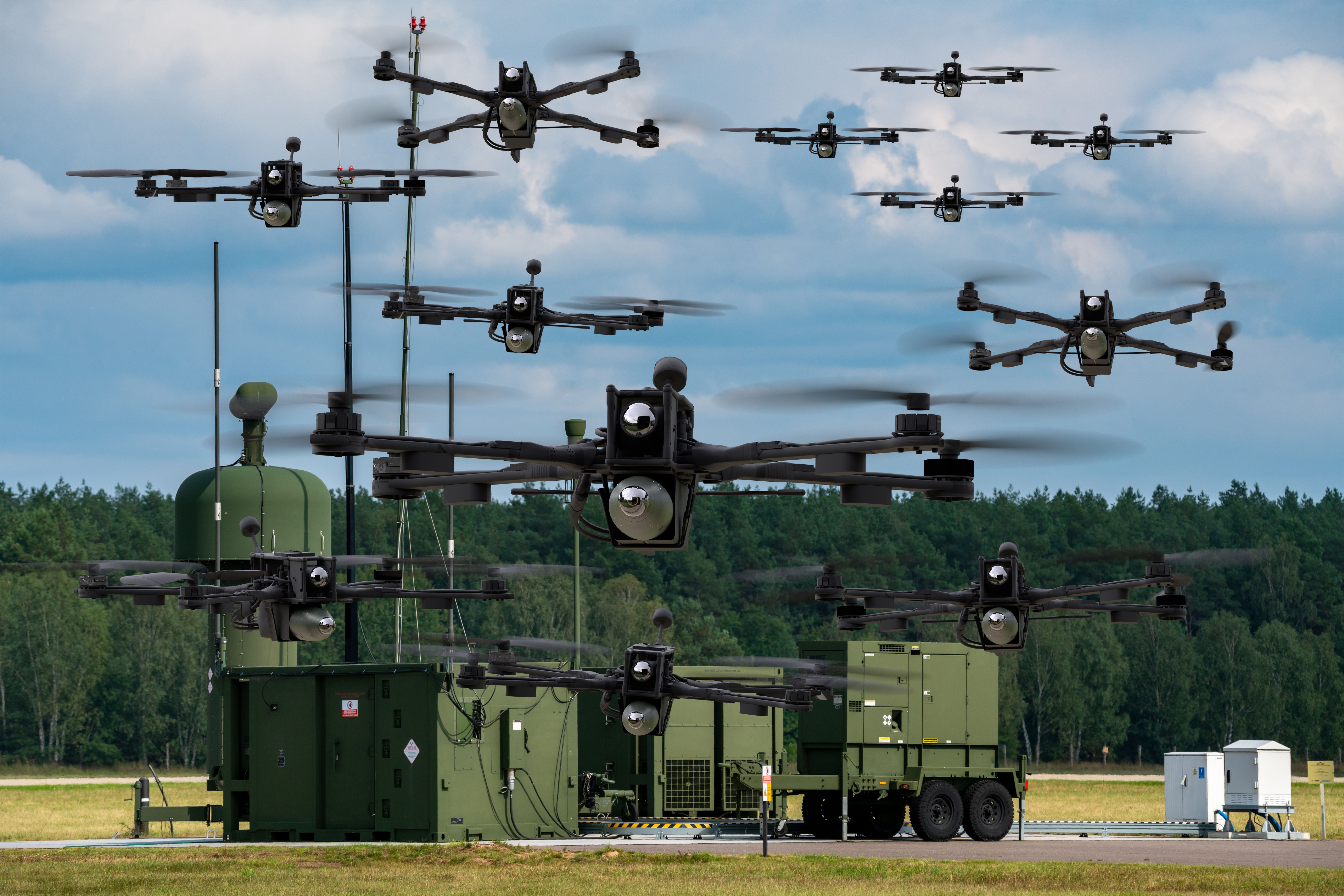
The deployment of autonomous systems and robotics in defense is another area where AI is making a substantial impact. Unmanned aerial vehicles (UAVs), ground vehicles, and underwater drones equipped with AI capabilities are transforming how missions are conducted.
These systems can perform reconnaissance, surveillance, and even combat operations without putting human lives at risk. The ability to operate autonomously or semi-autonomously allows for greater flexibility and adaptability in dynamic environments.
Challenges and Ethical Considerations
Despite the advantages, the integration of AI in defense also presents challenges and ethical considerations. Ensuring AI systems are secure and resistant to cyberattacks is paramount. The potential for AI to be used in offensive cyber operations raises concerns about escalation and the rules of engagement.
Ethical considerations include the decision-making process of autonomous systems, particularly in life-and-death scenarios. Establishing guidelines and frameworks for the responsible use of AI in defense is essential to address these issues.
The Future of AI in Defense
The future of AI in defense is promising, with ongoing advancements in machine learning and data analytics. As AI technology continues to evolve, its impact on decision-making will likely grow, offering new opportunities for innovation and efficiency.
Defense organizations must stay informed and adaptable, embracing AI while addressing its challenges. By doing so, they can harness the full potential of AI to enhance security and stability worldwide.